What Exactly Is a Jury—and Why Does It Matter?
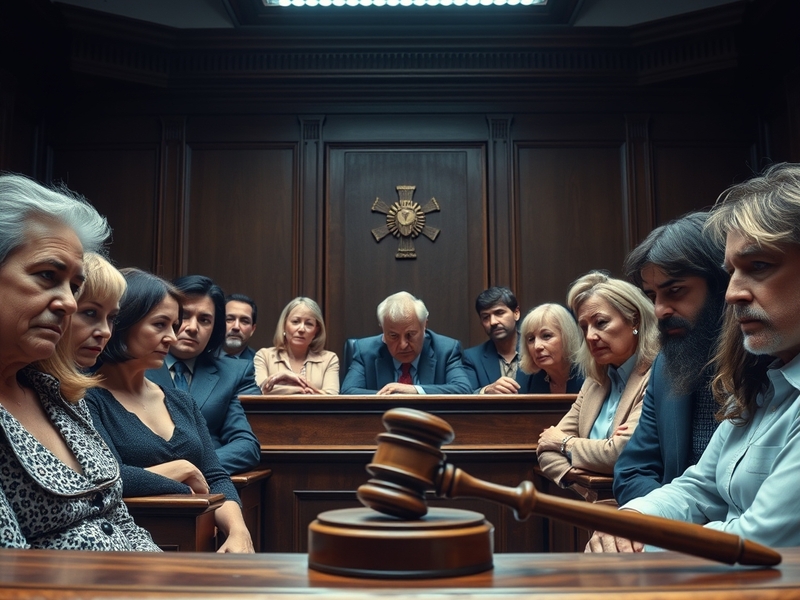
The jury system stands as one of the most enduring pillars of justice in democratic societies. Dating back to ancient Greece and Rome, the concept of trial by peers was designed to ensure fairness and community accountability in legal disputes. Today, juries continue to serve a critical role across the globe, blending local customs with universal principles of justice. Their decisions often shape not just individual cases, but public trust in the legal system itself.
In the United States, for instance, the Sixth Amendment guarantees the right to a jury trial in criminal cases. This right reflects a deep-seated belief that justice should not be left solely to judges or rulers, but to a representative cross-section of society. Meanwhile, in many European countries like Germany and France, juries are typically reserved for serious crimes, with lay judges sitting alongside professional judges. The approach varies—but the core idea remains: ordinary citizens help determine guilt or innocence.
The Role of Juries in Different Legal Systems
Legal systems around the world handle juries differently, reflecting cultural values and historical legacies. In common law countries such as the United Kingdom, Canada, and Australia, juries are a cornerstone of criminal trials, especially for serious offenses. Their verdicts are final in most cases, though judges retain control over sentencing. This separation of roles—juries deciding facts, judges deciding law—reinforces democratic oversight.
In contrast, civil law systems prevalent in much of Europe and Latin America often rely on professional judges or mixed tribunals. For example, in Spain, juries are used only in limited cases, such as crimes against individuals or terrorism, and their role is more consultative than decisive. This reflects a different balance of trust—placing greater faith in trained legal experts than in citizen panels. Each model carries its own strengths and weaknesses, from public participation to consistency in verdicts.
Cultural attitudes toward jury service also vary widely. In Japan, jury trials were reintroduced in 2009 after a 66-year hiatus, but participation remains low due to social stigma and fear of retaliation. Meanwhile, in countries like Norway and Sweden, jury service is viewed as a civic duty, with high participation rates and strong public support. These differences reveal how deeply jury systems are woven into national identity and social trust.
How Juries Are Selected and Their Influence on Justice
The process of selecting a jury, known as voir dire in common law systems, is designed to create a fair and impartial panel. Potential jurors are typically drawn from voter registration, driver’s license lists, or national ID databases to ensure diversity. Attorneys for both sides can question jurors and request their removal for cause—such as bias—or through peremptory challenges, which allow limited removals without explanation.
This selection process aims to balance representation with impartiality, though critics argue it often falls short. Studies have shown that juries can unintentionally exclude certain groups, particularly minorities and low-income individuals, due to systemic barriers in the selection process. In the United States, for example, jury pools have historically underrepresented Black and Hispanic communities, leading to concerns about fairness in verdicts.
Once seated, juries wield significant power. Their decisions can influence public policy, as seen in high-profile cases like the trial of Derek Chauvin in 2021, which sparked national conversations about police accountability. Similarly, in 2016, a jury in Italy acquitted Amanda Knox after a lengthy legal battle, emphasizing how jury deliberations can reshape lives and international perceptions.
Yet, the jury’s influence extends beyond individual cases. In countries with mandatory jury service, such as Canada and the UK, the system fosters civic engagement and reinforces the idea that justice is a collective responsibility. This cultural dimension—where serving on a jury is seen as a rite of passage—helps sustain public confidence in the legal system.
Controversies and Challenges Facing Modern Juries
Despite their importance, juries are not without controversy. One of the most persistent criticisms is the potential for bias, whether based on race, gender, socioeconomic status, or personal experiences. High-profile cases often highlight these issues, such as the 2013 trial of George Zimmerman in Florida, where concerns arose about the racial composition of the jury and its impact on the verdict.
Another challenge is the increasing complexity of modern cases, particularly in areas like corporate fraud, cybercrime, or environmental law. Jurors may struggle to understand technical evidence, leading to verdicts that feel arbitrary or uninformed. Some legal experts argue that specialized juries—panels with relevant expertise—could improve decision-making, though this idea remains controversial due to fears of undermining impartiality.
Jury nullification, where jurors deliberately ignore the law to reach a verdict they believe is just, presents another ethical dilemma. While this practice can act as a safeguard against unjust laws, it also risks undermining the rule of law. In the United States, judges rarely inform juries of their right to nullify, reflecting unease with unchecked jury power.
Technology has also complicated the jury’s role. Social media scrutiny can influence jurors, leading to mistrials or appeals. In 2017, a juror in a UK murder trial was dismissed after posting about the case on Facebook. Meanwhile, the rise of true crime podcasts and documentaries has heightened public interest in trials, sometimes pressuring jurors to reach dramatic conclusions.
Looking Ahead: The Future of Jury Systems
The jury system faces an uncertain future as societies evolve. Some countries are experimenting with reforms, such as expanding jury eligibility or using digital tools to streamline selection. New Zealand, for example, recently increased jury pay to improve diversity and participation. Others are exploring hybrid models, combining lay jurors with professional judges to balance expertise and representation.
Yet, the core principle of citizen participation remains resilient. In an era of polarization and distrust in institutions, the jury offers a tangible way for communities to engage in justice. Countries like Germany and Spain are cautiously expanding jury roles, while others, like the United States, continue to debate reforms to address systemic inequities.
Ultimately, the jury is more than a legal mechanism—it is a reflection of a society’s values. Whether through tradition or innovation, its role in shaping justice will likely endure, so long as citizens remain willing to serve and trust the process. As legal scholar James Madison once wrote, “Justice is the end of government. It is the end of civil society.” The jury, in all its imperfections, remains one of our most powerful tools in pursuing that end.