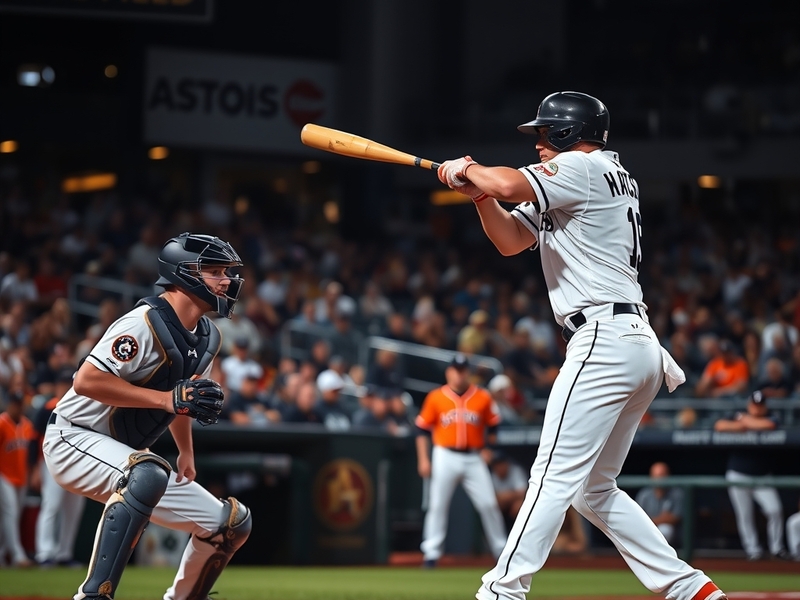
The Chicago White Sox and Houston Astros have developed one of the most compelling rivalries in modern baseball. What began as an occasional postseason clash has evolved into a recurring battle that tests the patience of fans on both sides. The tension isn’t just about wins and losses—it’s about style, strategy, and the very identity of each franchise.
How the Rivalry Intensified
The White Sox-Astros rivalry didn’t emerge overnight. It gained real heat in 2017 when the Astros were accused of stealing signs during their World Series-winning season. Chicago players and fans have never forgotten it. The bitterness was mutual, as Houston’s front office and fanbase bristled at the public criticism. Even after the Astros’ sign-stealing scandal was exposed and punishments were handed down, the lingering resentment kept the feud alive.
On the field, the rivalry has taken on a new dimension in recent years. Both teams now play in the toughest division in baseball—the AL Central for the White Sox and the AL West for the Astros. When they meet, it’s not just another series. It’s a statement.
Key Moments That Defined the Conflict
- 2020 AL Central Showdown: The White Sox, in their first serious playoff push under manager Tony La Russa, faced the Astros in a heated three-game set. Tempers flared, and bench-clearing moments became part of the narrative.
- 2021 ALDS: Houston swept Chicago in the Division Series, silencing the White Sox’s high-powered offense and adding salt to the wound.
- 2023 Regular Season: A four-game series in Chicago saw multiple ejections, heated dugout confrontations, and a 3-1 Astros victory that left fans fuming.
The Cultural Divide Behind the Games
Beyond the diamond, the rivalry reflects deeper differences between the two teams. The Astros represent a franchise built on analytics, high-tech player development, and a win-at-all-costs mentality. The White Sox, meanwhile, have long been seen as the scrappy underdogs, embracing a more traditional, gritty brand of baseball.
This contrast plays out in how each team acquires talent. Houston leans heavily on international signings and data-driven drafting. Chicago has relied more on homegrown talent and trades, though recent years have seen a shift toward a more balanced approach. The cultural clash isn’t just in strategy—it’s in identity.
The Fan Experience: Passion and Pain
White Sox fans see Houston as the villain, a team that cheated its way to glory. Astros supporters, meanwhile, argue that the punishment was excessive and that the narrative has unfairly defined their team. The divide is visible in stadiums, on social media, and in the way players are received when they visit opposing ballparks.
The Astros’ Minute Maid Park and the White Sox’s Guaranteed Rate Field become battlegrounds during these matchups. Chants of “Cheaters!” ring out in Houston when former Astros players return to play for other teams. In Chicago, the Astros are greeted with a mix of boos and sarcastic applause, a reminder that the scars haven’t fully healed.
What’s at Stake Beyond the Games
The White Sox-Astros rivalry isn’t just about division standings or playoff implications. It’s about the future of baseball itself. The Astros’ front office revolutionized player evaluation with data and technology. The White Sox, once slow to adopt these methods, have caught up—partly by hiring executives from rival organizations.
This ideological clash raises questions about the soul of the game. Is baseball better when teams prioritize human intuition and tradition? Or does the future belong to those who embrace innovation, even at the risk of alienating purists?
For the White Sox, beating Houston isn’t just about pride—it’s about proving they can compete with the modern model. For the Astros, it’s about validating their approach and silencing critics. The next time these teams meet, the stakes will be higher than a regular-season series win.
Broader Implications for MLB
- Reputation Management: The Astros’ sign-stealing scandal damaged MLB’s credibility. Every time they face a rival, the league’s integrity is subtly questioned again.
- Fan Engagement: Rivalries drive ticket sales, merchandise, and TV ratings. The White Sox-Astros matchups consistently deliver high drama and media attention.
- Player Psychology: Young players on both teams grow up watching or participating in these intense games. The mental toll can be significant, shaping careers in unexpected ways.
Looking Ahead: What Comes Next?
The rivalry shows no signs of fading. Both teams are built to contend for years, and their paths are likely to cross in October again. When they do, the stakes will be even higher—perhaps a playoff series that could redefine the feud for good.
For the White Sox, the goal is clear: knock Houston off its pedestal and prove they belong in the conversation with baseball’s elite. For the Astros, the mission is to maintain dominance and silence doubters once and for all.
One thing is certain—when these two teams meet, baseball isn’t just a game. It’s a battle of philosophies, egos, and legacies. And for fans on both sides, the emotions run deeper than any scoreboard could ever show.
For more on the Chicago White Sox’s journey and their place in the league, visit our Sports section. To explore deeper analysis of MLB trends and rivalries, check out our Analysis category.