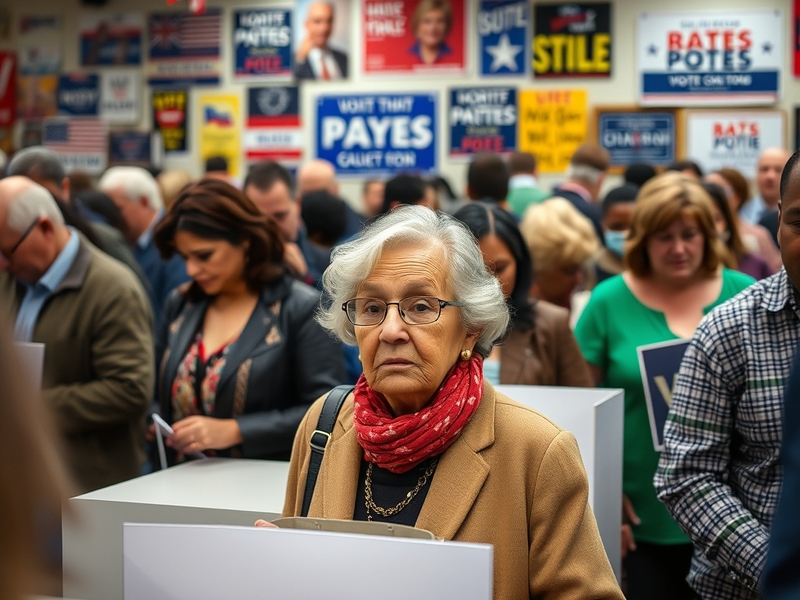
Understanding the Importance of Midterms
Midterm elections play a pivotal role in shaping the political landscape of a country. They often serve as a referendum on the sitting president’s policies and can significantly influence the legislative agenda for the following years. In the United States, midterms are held halfway through the president’s term, typically in even-numbered years. This election cycle provides an opportunity for voters to express their opinions on the current administration’s performance.
Key Issues at Stake
As midterm elections approach, various issues frequently dominate the conversation. These issues often reflect the concerns of the electorate and can vary significantly from one election cycle to another. Some of the most pressing topics include:
- Economic conditions, including inflation and unemployment rates.
- Healthcare access and affordability.
- Social justice and civil rights issues.
- Climate change and environmental policies.
- Foreign policy and national security.
Voter sentiment regarding these issues can greatly impact the outcome of the elections. Candidates often tailor their platforms to align with the prevailing concerns of their constituents.
The Impact of Voter Turnout
Voter turnout is a critical factor in midterm elections. Historically, midterms see lower participation rates compared to presidential elections. However, recent trends indicate that engagement may be increasing. In the 2018 midterms, for example, turnout reached its highest level in decades, with approximately 50% of eligible voters casting ballots.
Factors that can influence voter turnout include:
- The level of enthusiasm for candidates and issues.
- Voter suppression tactics and access to polling places.
- Public awareness campaigns and grassroots mobilization efforts.
Higher turnout rates often favor Democrats, while lower participation tends to benefit Republicans. This trend underscores the importance of mobilizing voters, especially in competitive districts.
Analyzing the Political Landscape
The political landscape during midterm elections can vary widely based on several factors, including the current president’s approval ratings and the overall mood of the electorate. When a president enjoys high approval ratings, their party often performs well in midterms. Conversely, low approval ratings can lead to significant losses.
In addition, midterms can also serve as a bellwether for upcoming presidential elections. Trends observed during these elections can provide insight into voter priorities and potential shifts in party loyalty. For instance, the 2020 presidential election saw a considerable shift in suburban voting patterns, which could be reflected in future midterms.
Furthermore, the role of social media and technology in political campaigning cannot be overlooked. Candidates increasingly rely on digital platforms to reach voters, particularly younger demographics. This shift has transformed traditional campaigning methods and altered the dynamics of voter engagement.
Conclusion
Midterm elections are a crucial element of the democratic process, providing voters with the opportunity to hold elected officials accountable. By focusing on key issues and encouraging voter turnout, citizens can influence the direction of their government. As we look ahead to the next midterms, understanding the political landscape and the factors at play will be essential for both candidates and voters alike.