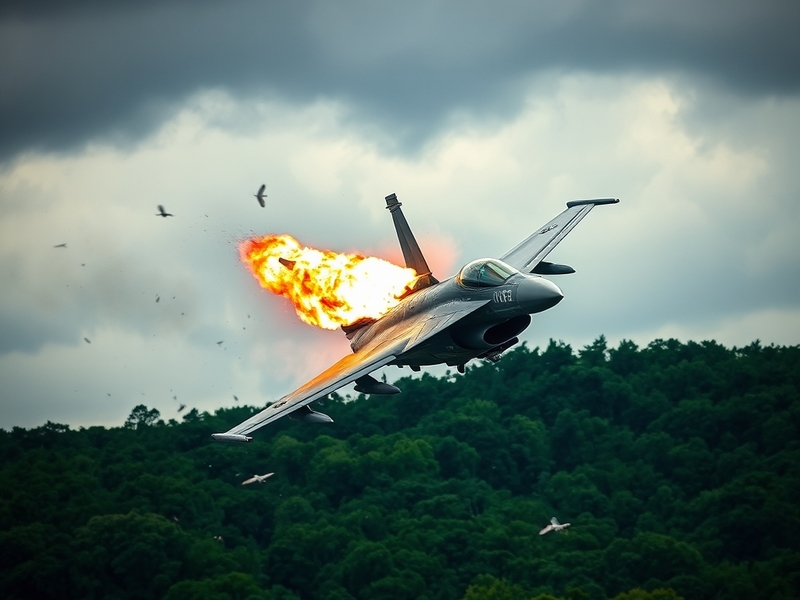
Understanding Fighter Jet Crashes
Fighter jet crashes are rare but significant events that can have profound implications for military operations, national security, and aviation safety. These incidents often draw attention not only because of their dramatic nature but also due to the potential loss of life and the technological implications involved. Understanding the factors that contribute to these crashes is crucial for improving safety measures and operational protocols.
Common Causes of Fighter Jet Crashes
Several factors can lead to fighter jet crashes, ranging from mechanical failures to human error. Here are some of the primary causes:
- Mechanical Failures: Issues with engines, avionics, or structural integrity can lead to catastrophic failures.
- Pilot Error: Mistakes in judgment or miscalculations during complex maneuvers can result in crashes.
- Weather Conditions: Poor visibility, high winds, or inclement weather can complicate flight operations.
- Combat Situations: Engagements with enemy forces can lead to damage or crashes due to evasive actions.
Each of these factors can interact in unpredictable ways, making the analysis of crashes a complex task. For instance, a pilot may make a poor decision due to unexpected mechanical issues, leading to a crash that might otherwise have been avoided.
Recent Incidents and Their Implications
In recent years, several high-profile fighter jet crashes have highlighted the risks associated with military aviation. These incidents not only cause loss of life but also raise concerns regarding the safety protocols in place. For example, the crash of a F-35 Lightning II during a training exercise in 2022 prompted a review of maintenance procedures and pilot training programs.
Investigations into such incidents often reveal systemic issues that need addressing. They can lead to changes in regulations and enhance the safety of future operations. The military must continually adapt its strategies based on lessons learned from these unfortunate events.
The Role of Technology in Prevention
Advancements in technology play a crucial role in preventing fighter jet crashes. Modern fighter jets are equipped with sophisticated systems designed to enhance safety and performance. These include:
- Advanced Avionics: Modern navigation and control systems help pilots manage complex flight scenarios.
- Autonomous Features: Some newer jets incorporate automated systems that can assist or even take control in emergencies.
- Real-Time Data Analysis: Monitoring systems can provide immediate feedback to pilots about aircraft performance and environmental conditions.
While technology cannot eliminate the risk of crashes entirely, it can significantly reduce the likelihood of incidents by providing pilots with better information and more reliable systems. Continuous updates and training are essential to ensure that these technologies are used effectively.
Conclusion
Fighter jet crashes, while infrequent, remain a critical concern for military aviation. Understanding the causes, implications, and technological advancements can help mitigate risks in the future. Ongoing analysis of incidents, coupled with advancements in aviation technology, will be essential in enhancing safety protocols and ensuring the effectiveness of military operations. For more insights on military aviation and related topics, visit our military section and explore other relevant articles in our news category.