Duct Tape and American Airlines: An Unexpected Fix
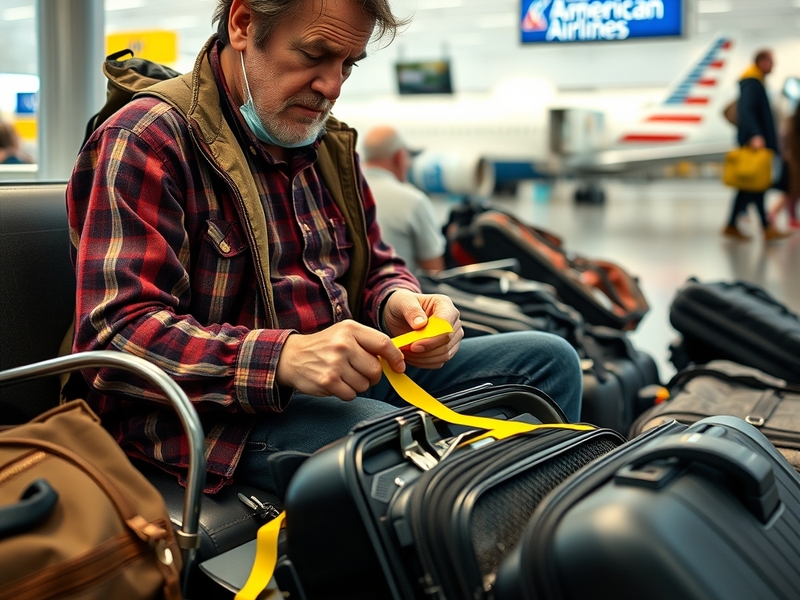
In a surprising turn of events, a recent incident involving American Airlines highlighted the unconventional use of duct tape in the aviation industry. Passengers aboard a flight witnessed the application of this everyday adhesive to secure a piece of equipment that had malfunctioned mid-flight. While this may seem humorous or even absurd, it raises important questions about safety practices and operational protocols in air travel.
Context of the Incident
The incident occurred when a flight from Dallas to Miami experienced technical difficulties. A panel covering the cabin’s overhead compartments became loose. In a rather unorthodox move, crew members opted to use duct tape as a temporary solution until the aircraft could land safely. This quick fix was met with mixed reactions from passengers, with some expressing concern over safety standards while others found humor in the situation.
While duct tape has long been heralded as a versatile tool for repairs, its application in aviation raises eyebrows. Airlines are held to strict safety regulations, and any deviation can lead to serious repercussions. However, in this case, the use of duct tape was deemed appropriate for a temporary fix, showcasing the crew’s resourcefulness in a challenging situation.
Key Points of Consideration
Several aspects warrant attention when discussing the implications of using duct tape in aviation:
- Safety Standards: Airlines must adhere to rigorous safety protocols. The use of duct tape, while practical, may not align with the expected standards of aircraft maintenance.
- Passenger Perception: How passengers perceive such fixes can impact their trust in airline operations. Transparency and communication are crucial in maintaining confidence.
- Operational Efficiency: Quick fixes can sometimes prevent delays and enhance operational efficiency, but they must not come at the expense of safety.
- Resourcefulness vs. Regulation: While creativity in problem-solving is commendable, it must be balanced with compliance to industry regulations.
Broader Implications for the Aviation Industry
This incident serves as a microcosm of larger trends within the airline industry. As airlines face increasing financial pressures, maintenance budgets may tighten, leading to reliance on quick fixes. While duct tape may handle minor issues temporarily, it is essential for airlines to invest in proper maintenance and repairs to ensure long-term safety.
Moreover, this scenario highlights the importance of training for flight crews. Empowering them to make informed decisions in the face of unexpected challenges can enhance safety and operational efficiency. The right training ensures that crew members not only have the skills to respond effectively but also understand the implications of their actions.
Conclusion
The use of duct tape by American Airlines, while humorous to some, underscores serious considerations in aviation safety and operational practices. As the industry continues to evolve, balancing resourcefulness with adherence to strict safety protocols will remain crucial. Ultimately, maintaining passenger confidence and safety should be the top priority for all airlines.
For more insights into aviation trends and safety practices, visit our Trending or News categories.