The Incident: What Happened Onboard?
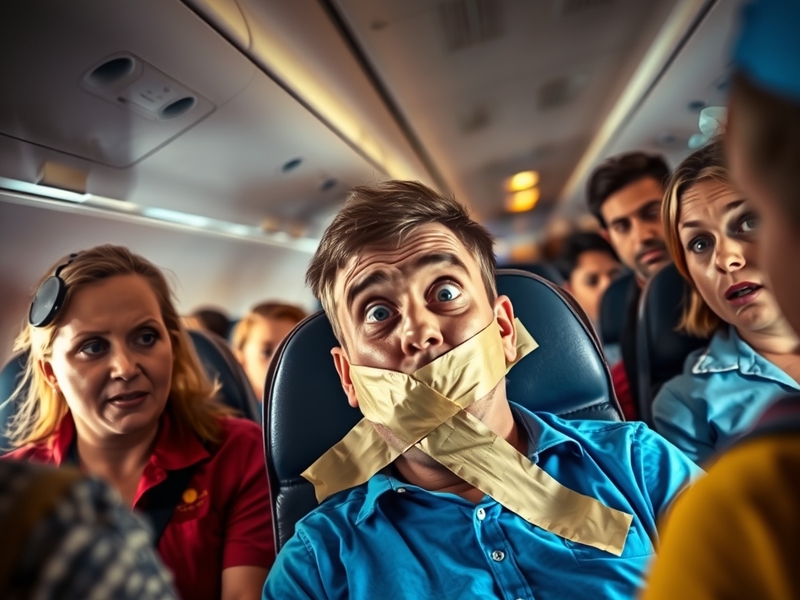
In a startling event that unfolded on a recent flight, an unruly passenger was restrained with duct tape after reportedly becoming aggressive and disruptive. This incident occurred mid-flight, leading to significant concern among the crew and other passengers. Eyewitness accounts suggest that the individual was intoxicated, which contributed to their erratic behavior.
In response to the escalating situation, flight attendants attempted to calm the individual, but their efforts were met with hostility. The decision to use duct tape, though controversial, was made to ensure the safety of all onboard. Such measures are often seen as a last resort in aviation, reserved for instances where a passenger poses a direct threat to others.
Why Such Measures Are Necessary
The use of duct tape to restrain passengers is not an everyday occurrence, but it underscores the significant challenges airlines face when dealing with unruly behavior. According to the Federal Aviation Administration (FAA), there has been a noticeable rise in incidents involving disruptive passengers in recent years. This trend raises important questions about the factors contributing to such behavior.
- Alcohol Consumption: Many of these incidents involve passengers who have consumed excessive amounts of alcohol before or during the flight.
- Lack of Consequences: Some individuals may feel emboldened by the perception that there are minimal repercussions for their actions.
- Stress and Anxiety: The stress of travel, combined with personal issues, can lead to outbursts.
Airlines must balance the need for a pleasant travel experience with the imperative to maintain safety. The decision to restrain a passenger, while extreme, may be necessary to prevent harm to others. This incident serves as a reminder of the complexities involved in air travel and the need for effective measures to address disruptive behavior.
The Aftermath: Consequences for the Passenger
Following the incident, the passenger was escorted off the plane by law enforcement upon landing. Depending on the severity of their actions, they could face legal repercussions, including fines and potential criminal charges. The FAA has strict regulations regarding passenger behavior, and violations can result in hefty penalties.
Moreover, this incident could have lasting consequences for the individual involved. Aside from legal issues, they may find it challenging to book future flights, as many airlines maintain records of disruptive passengers. The repercussions extend beyond the immediate situation, affecting their travel options and personal reputation.
Broader Implications for Airlines and Passengers
This incident raises broader questions about the responsibility of airlines in ensuring passenger safety. As incidents of unruly behavior rise, airlines are exploring various strategies to mitigate risks. Some of these strategies include:
- Increased Training: Flight crews receive training on how to handle disruptive passengers, including de-escalation techniques.
- Clearer Policies: Airlines are working to implement clearer policies regarding alcohol service and passenger behavior.
- Collaboration with Authorities: Airlines are strengthening partnerships with law enforcement to ensure swift action when necessary.
Passengers also play a crucial role in maintaining a safe environment. Reporting suspicious or disruptive behavior can help crew members take action before a situation escalates. It is essential for everyone on board to feel responsible for the safety and comfort of their fellow travelers.
In conclusion, the incident involving an unruly passenger duct-taped to their seat highlights the ongoing challenges faced by airlines in ensuring a safe travel experience. While such measures may seem extreme, they are sometimes necessary to protect the well-being of all passengers. As the aviation industry continues to grapple with rising incidents of disruptive behavior, it is imperative that both airlines and passengers remain vigilant in fostering a respectful and safe flying environment.