The Origins of Labor Day
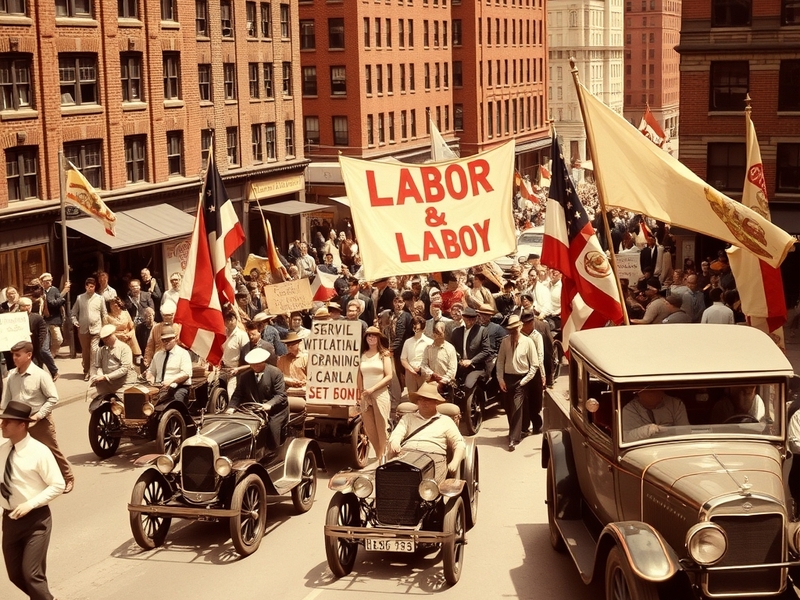
Labor Day is a celebration of the social and economic achievements of workers, observed in various countries around the world. Its roots can be traced back to the labor movement in the late 19th century, which sought to improve working conditions, establish fair wages, and reduce working hours. The first Labor Day was celebrated in the United States on September 5, 1882, organized by the Central Labor Union in New York City.
The choice of September as the month for Labor Day was significant. It marked a time when the harvest was complete, and communities could come together to celebrate the contributions of workers. In the following years, more states began to adopt the holiday, and it was officially recognized as a federal holiday in 1894 after a series of labor strikes, including the Pullman Strike, which highlighted the need for labor reforms.
Global Observances of Labor Day
While the United States celebrates Labor Day on the first Monday in September, many countries observe International Workers’ Day on May 1st. This date was chosen to commemorate the Haymarket affair in Chicago in 1886, which was a pivotal event in labor history. Countries that observe this day often hold parades, demonstrations, and various events to honor workers and their rights.
The significance of Labor Day varies across cultures, reflecting local histories and labor movements. Here are some examples of how different countries celebrate:
- United States: Celebrated on the first Monday in September, it is marked by barbecues, parades, and various public events.
- Canada: Similar to the U.S., Canada recognizes Labor Day on the first Monday in September, with similar festivities.
- Countries in Europe: Many European nations, such as France and Germany, celebrate International Workers’ Day with rallies and demonstrations advocating for workers’ rights.
- Australia: Known as Labour Day in some states, it is celebrated on different dates depending on the state, often with parades and community events.
The Evolution of Labor Rights
Over the years, Labor Day has evolved beyond just a day off for workers. It has become a symbol of the ongoing struggle for workers’ rights. The labor movement has achieved significant milestones, including the establishment of the eight-hour workday, minimum wage laws, and workplace safety regulations. These achievements are a testament to the collective efforts of workers and their unions.
Despite these advancements, challenges remain. In many parts of the world, workers still face exploitation, unsafe working conditions, and inadequate wages. The COVID-19 pandemic further exposed the vulnerabilities of essential workers, emphasizing the need for ongoing advocacy and reform.
The Cultural Significance of Labor Day
Labor Day serves not only as a celebration of workers but also as a reminder of the importance of solidarity among laborers. It highlights the contributions of various sectors, including manufacturing, agriculture, and services, which are essential to the economy. The holiday encourages communities to reflect on the value of hard work and the rights of workers.
In addition to its historical and political significance, Labor Day has cultural implications. It is often seen as the unofficial end of summer in the United States, leading to various leisure activities and family gatherings. As such, it blends the celebration of labor with social and familial connections.
As we reflect on Labor Day, it is essential to recognize the ongoing struggles faced by workers globally. Engaging in conversations about workers’ rights and advocating for fair treatment is crucial for fostering a just society.
For more insights into the intersection of labor and culture, explore our Culture section, or check out our analysis on Business trends affecting workers today.