Understanding the Recent Avalanche Incidents in Russia
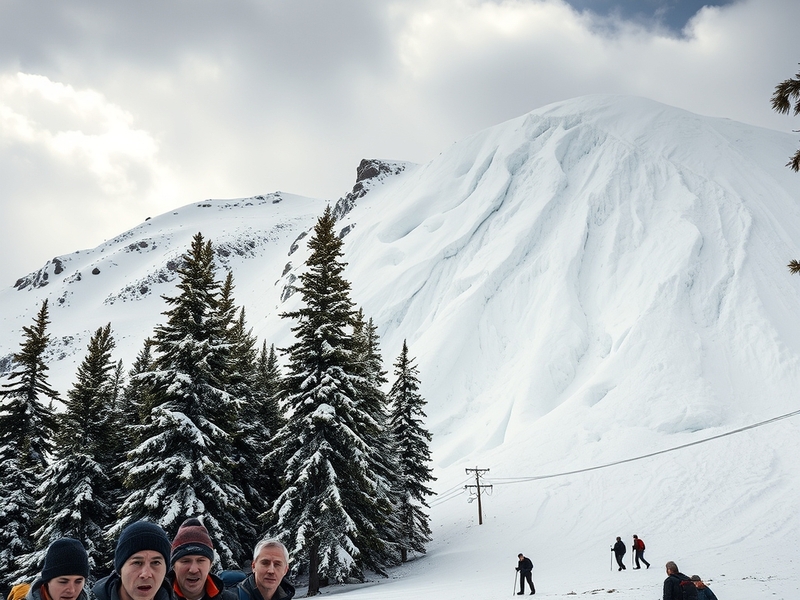
Recent avalanches in Russia have drawn significant attention, highlighting the dangers associated with winter sports and mountain activities. These incidents not only pose risks to local communities but also impact tourism and environmental conditions. In the past few months, several regions, particularly in the Caucasus Mountains, have reported avalanches that have led to tragic consequences.
Key Locations Affected
The Caucasus region is known for its stunning landscapes and popular ski resorts. However, its mountainous terrain is also prone to avalanches, especially during heavy snowfall. Notable areas affected include:
- Sochi – a major tourist destination and host of the 2014 Winter Olympics.
- Elbrus – the highest mountain in Europe, attracting climbers and skiers.
- Kavkazsky Nature Reserve – a protected area that faces ecological challenges due to climate changes.
In these locations, the combination of steep slopes and variable weather conditions creates a perfect storm for avalanche activity. Local authorities have been working to monitor these conditions, but the unpredictability of nature remains a significant challenge.
Impact on Local Communities and Tourism
The repercussions of these avalanches extend beyond immediate danger. Local communities, reliant on tourism for their economies, face potential declines in visitor numbers. The fear of avalanches can deter tourists from visiting popular ski resorts, leading to financial strain on businesses. Moreover, the loss of life and injuries from these incidents create a somber atmosphere that can linger long after the snow has settled.
In response to these challenges, local governments are implementing several measures to enhance safety:
- Improved avalanche forecasting systems.
- Increased safety training for guides and tourists.
- Regular updates on weather and avalanche conditions through local media.
These initiatives aim to ensure that residents and visitors can enjoy the beauty of the mountains while minimizing risks. Nevertheless, the balance between tourism and safety remains delicate.
The Role of Climate Change
Climate change is a critical factor influencing avalanche occurrences. Warmer temperatures lead to inconsistent snowfall patterns, which can create unstable snowpack conditions. This instability increases the likelihood of avalanches, making it essential for researchers and policymakers to address these environmental shifts.
Studies indicate that as climate change progresses, regions like the Caucasus may experience more frequent and severe weather events. This could exacerbate existing challenges and necessitate further adaptations in safety protocols and infrastructure.
Looking Ahead: Safety and Preparedness
As Russia continues to grapple with the implications of avalanches, the focus must remain on enhancing safety measures and community preparedness. Collaboration between government agencies, local businesses, and environmental organizations will be crucial in developing effective strategies to mitigate risks.
For those interested in exploring the beauty of Russia’s mountains, understanding avalanche safety is paramount. Educating oneself about the risks, following safety guidelines, and staying informed through reliable sources can make a significant difference. Resources available through Dave’s Locker Travel can provide insights into safe travel practices in mountainous regions.
In conclusion, the recent avalanche incidents in Russia serve as a stark reminder of nature’s power and the importance of safety in outdoor activities. As communities work towards recovery and adaptation, the lessons learned will be vital in shaping a safer future for both residents and visitors alike.