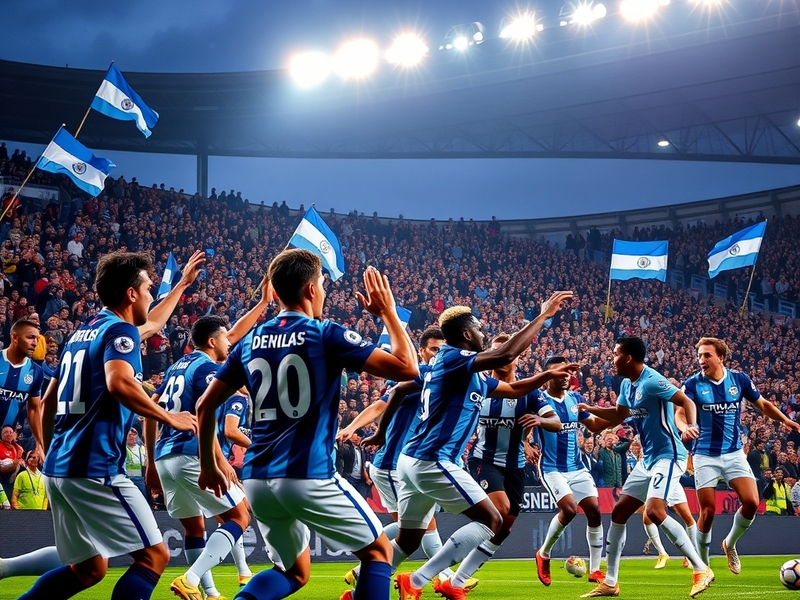
Match Overview
The recent clash between FC Porto and Manchester City in the UEFA Champions League showcased contrasting styles and tactical approaches from both teams. Porto, with its rich history and strong domestic presence, faced off against City, a club that has rapidly ascended to the top echelon of European football. The match not only highlighted individual talents but also underscored the ongoing evolution of football tactics in the modern game.
Team Form and Strategies
In the lead-up to the match, both teams were in varying forms. Manchester City, managed by Pep Guardiola, had established a reputation for their possession-based style and high pressing. Their ability to maintain control of the ball while creating scoring opportunities has made them a formidable opponent. Conversely, Porto, under the guidance of their experienced manager, focused on a more pragmatic approach, emphasizing solid defensive organization and quick counter-attacks.
City’s tactical flexibility allows them to adapt to different situations. Guardiola often employs a fluid formation that can shift from a 4-3-3 to a 3-2-4-1, depending on the flow of the game. On the other hand, Porto typically lines up in a 4-4-2 or a variation thereof, relying on their wingers to stretch the opposition and create spaces for their strikers.
Key Players to Watch
Both teams boasted a wealth of talent, making individual performances critical to the outcome. Key players included:
- Erling Haaland (Manchester City) – The Norwegian striker has been in sensational form, consistently finding the back of the net.
- Kevin De Bruyne (Manchester City) – Known for his vision and passing ability, De Bruyne can dictate the tempo of the game.
- Otávio (FC Porto) – A versatile midfielder, Otávio’s creativity and work rate are vital for Porto’s attacking transitions.
- Pepe (FC Porto) – The veteran defender’s experience and leadership are crucial in the backline against City’s relentless attack.
Match Highlights and Analysis
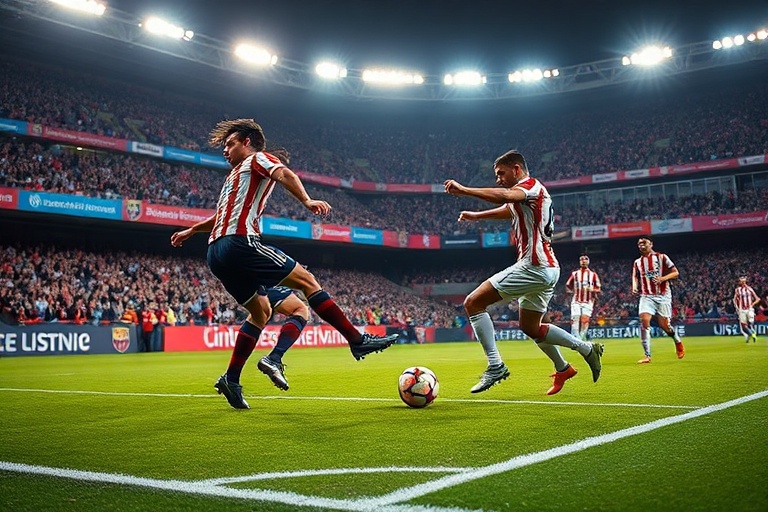
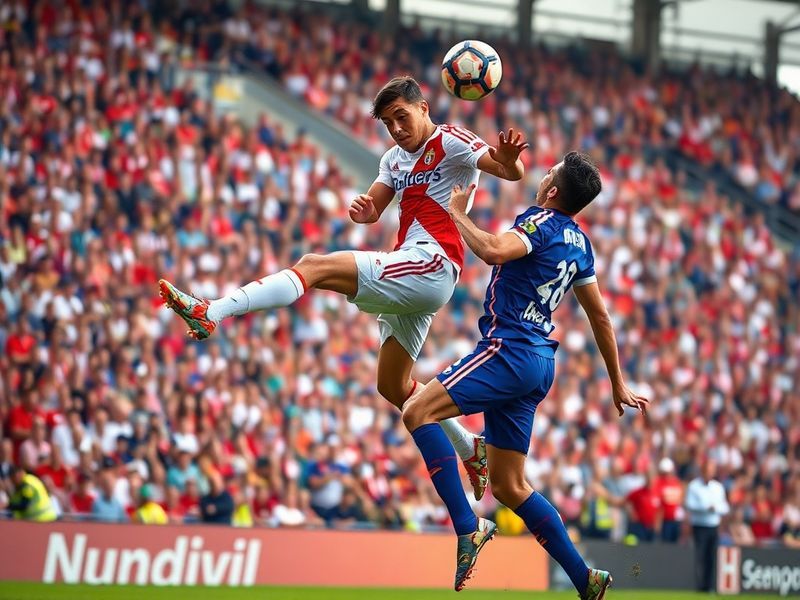
The match itself was an exciting encounter, filled with moments of skill and intensity. Manchester City displayed their characteristic dominance in possession, often pinning Porto back into their own half. However, Porto’s resilience and tactical discipline kept them in the game for long stretches.
As the match progressed, City’s pressure eventually paid off. Haaland found the net with a clinical finish, showcasing his poacher’s instinct. This goal shifted the momentum, forcing Porto to take more risks in pursuit of an equalizer. In response, Porto began to exploit the spaces left by City’s attacking intent, leading to a few counter-attacking opportunities.
Despite their efforts, Porto struggled to convert their chances. The match illustrated the fine margins that often define high-stakes encounters in European competitions. City’s ability to capitalize on their opportunities contrasted with Porto’s inability to finish their promising moves.
In the closing stages, City’s defense held firm, and they managed to secure a vital victory. The match not only solidified City’s standing in the group but also highlighted the challenges faced by teams like Porto in the competitive landscape of European football.
Conclusion
The clash between Porto and Manchester City was a compelling showcase of football at the highest level. Both teams exhibited distinct tactical philosophies that reflect their respective histories and ambitions. Manchester City continues to assert itself as a powerhouse in European football, while Porto remains a formidable competitor with a rich tradition.
As the tournament progresses, both teams will need to adapt and evolve. For City, maintaining their form and depth will be crucial for their aspirations of European glory. Porto, on the other hand, will look to build on their experiences from this match to compete effectively in future fixtures.
For those interested in more sports content, be sure to check out our Sports section for the latest updates and analyses.