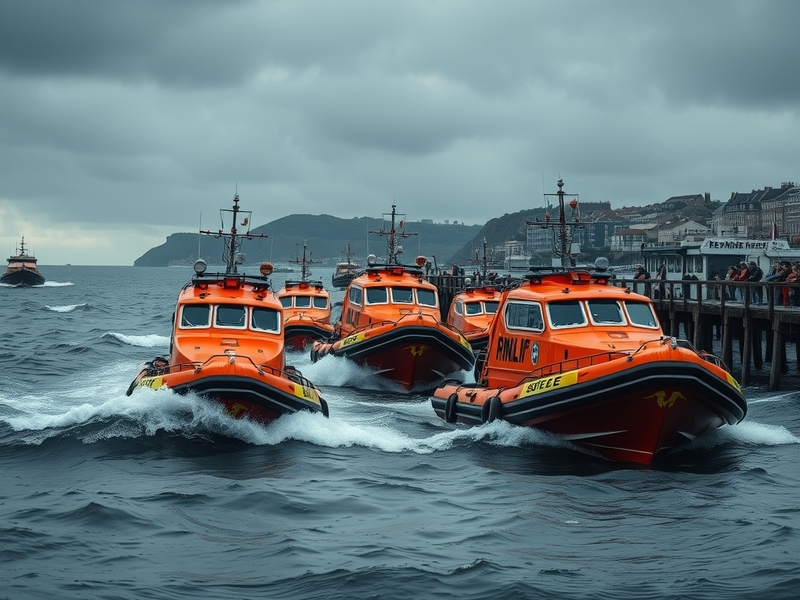
Background on the RNLI
The Royal National Lifeboat Institution (RNLI) is a renowned charity in the UK, dedicated to saving lives at sea. Established in 1824, the organization operates a fleet of lifeboats and provides rescue services to those in peril on the water. The RNLI is primarily funded through donations, and its volunteers are celebrated for their bravery and commitment. Despite their noble mission, recent events have raised concerns about the challenges faced by RNLI boats in securing port entry.
Recent Incidents of Denied Port Entry
In recent months, several RNLI vessels have encountered significant difficulties when attempting to dock at various ports. Reports indicate that some harbors have refused entry to these lifeboats, citing various reasons, including regulatory compliance and local policies. This situation has sparked outrage among maritime safety advocates and the public alike.
The implications of denying port entry to RNLI boats are profound. Not only does it hinder the organization’s ability to respond to emergencies, but it also raises questions about the responsibility of local authorities in supporting lifesaving efforts. Some of the notable incidents include:
- Refusal at a popular tourist port during peak season.
- Legal disputes over local maritime regulations.
- Concerns about overcrowded harbors affecting docking capabilities.
Reasons Behind the Denials
Understanding the reasons behind the denials of port entry is essential to grasp the complexities of maritime law and local governance. Authorities have cited multiple factors for their decisions, including:
- Regulatory Compliance: Some ports argue that RNLI boats do not meet specific regulatory standards required for entry.
- Local Policies: Each port may have its own set of policies that govern maritime traffic, which can complicate matters for emergency vessels.
- Capacity Issues: During busy periods, some ports may simply lack the capacity to accommodate additional vessels.
These reasons, while varied, have led to significant backlash from supporters of the RNLI. Many argue that lifesaving services should take precedence over regulatory hurdles and local policies.
The Public Response and Implications
The public reaction to these incidents has been overwhelmingly supportive of the RNLI. Social media campaigns and petitions have emerged, urging local authorities to reconsider their policies regarding port entry for RNLI boats. Many individuals believe that the organization’s lifesaving mission should be prioritized above all else. This public sentiment has led to increased pressure on lawmakers to create more accommodating policies for emergency services.
Furthermore, the implications of these denials extend beyond the RNLI. They highlight a broader issue concerning the treatment of emergency services at sea. If local authorities continue to impose restrictions, it could deter volunteer participation and ultimately impact the effectiveness of maritime rescue operations.
Conclusion
The challenges faced by RNLI boats in securing port entry underscore the need for a reevaluation of maritime policies that affect lifesaving services. As public support for the RNLI grows, it becomes increasingly critical for local authorities to foster an environment that prioritizes safety and accessibility for emergency vessels. Collaboration between the RNLI and port authorities could lead to solutions that ensure lifesaving services are not impeded by regulatory barriers. As discussions continue, the hope is to create a more supportive framework for the RNLI, enabling them to carry out their vital mission without hindrance.