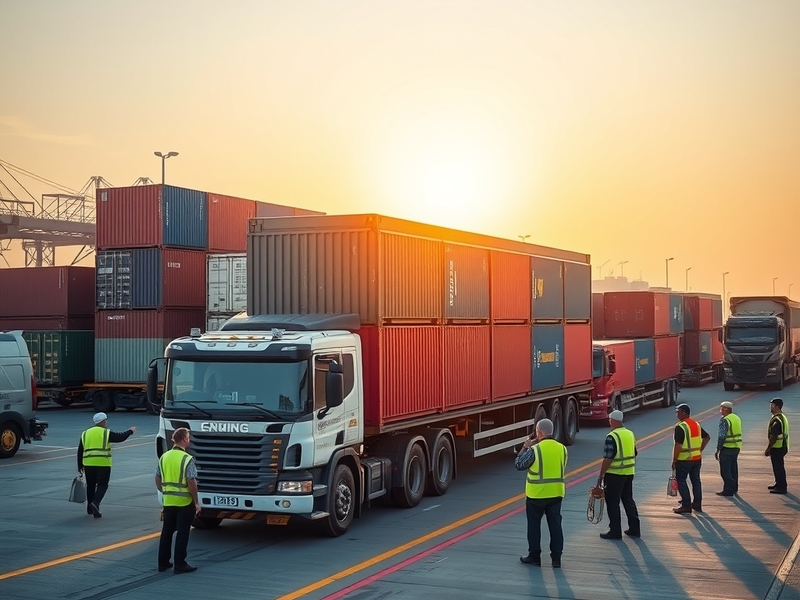
Understanding Haulage: An Essential Component of Trade
Haulage refers to the transportation of goods by road or rail, a critical aspect of logistics that supports the global economy. It encompasses a wide range of services, including freight transport, bulk materials handling, and specialized deliveries. As businesses expand their reach, the demand for efficient haulage services continues to grow.
The Types of Haulage Services
Haulage services can be categorized into several types, each serving different needs and industries. Understanding these types is essential for businesses looking to optimize their supply chains.
- Road Haulage: This involves the transportation of goods using trucks and lorries. It is the most flexible option, suitable for short to medium distances.
- Rail Haulage: Rail transport is ideal for moving large quantities of goods over longer distances. It is often more cost-effective than road transport.
- Intermodal Haulage: This combines multiple modes of transport, such as trucks and trains, to optimize logistics and reduce costs.
- Specialized Haulage: This includes the transport of oversized or hazardous materials, requiring specific vehicles and expertise.
The Economic Impact of Haulage
Haulage plays a vital role in the economy by facilitating trade and commerce. It connects producers with consumers, ensuring that goods are delivered efficiently. The implications of effective haulage services extend beyond mere transportation; they influence pricing, inventory management, and overall business profitability.
Moreover, the haulage industry supports countless jobs, from drivers to logistics managers. The growth of e-commerce has further amplified the demand for haulage services, as companies strive to meet customer expectations for fast and reliable delivery.
Challenges Facing the Haulage Industry
Despite its importance, the haulage industry faces several challenges that can hinder efficiency and profitability. Key issues include:
- Rising Fuel Costs: Fluctuating fuel prices can significantly impact operational costs for haulage companies.
- Regulatory Compliance: Adhering to government regulations regarding safety, emissions, and driver working hours adds complexity to operations.
- Driver Shortages: The industry is experiencing a shortage of qualified drivers, which can lead to delays and increased costs.
- Technological Advancements: Keeping up with new technologies, such as route optimization software and electric vehicles, is essential but can be costly.
Addressing these challenges requires strategic planning and investment. Companies that can adapt to changing conditions will be better positioned to thrive in a competitive market.
Future Trends in Haulage
The haulage industry is evolving, influenced by technological advancements and changing consumer preferences. Some trends to watch include:
- Automation: The use of automated vehicles and drones for delivery is on the rise, potentially reducing labor costs and increasing efficiency.
- Sustainability Initiatives: Companies are increasingly focusing on reducing their carbon footprint through the adoption of greener technologies and practices.
- Data Analytics: Leveraging data for route optimization and inventory management is becoming more common, allowing for better decision-making.
As the industry adapts to these trends, businesses must remain agile and responsive to changes in consumer demands and technological capabilities.
In conclusion, haulage is a cornerstone of modern trade, impacting various sectors and driving economic growth. Understanding its complexities and addressing the challenges it faces will be crucial for companies looking to thrive in an interconnected world. By embracing innovation and sustainability, the haulage industry can continue to evolve and meet the needs of the future.