The Background of U.S.-Iran Relations
The relationship between the United States and Iran has been fraught with tension for decades. This history dates back to the 1953 coup that reinstated the Shah of Iran, leading to a long-standing animosity that has shaped both nations’ foreign policies. The 1979 Iranian Revolution marked a significant turning point, resulting in the severance of diplomatic ties and the establishment of a theocratic regime in Iran.
Since then, conflicts have escalated, particularly over Iran’s nuclear ambitions and its role in regional conflicts. The U.S. has frequently expressed concerns over Iran’s influence in the Middle East, which has led to a series of sanctions and military posturing. This backdrop sets the stage for understanding the implications of U.S. submarine deployments in the region.
The Role of U.S. Submarines in Naval Strategy
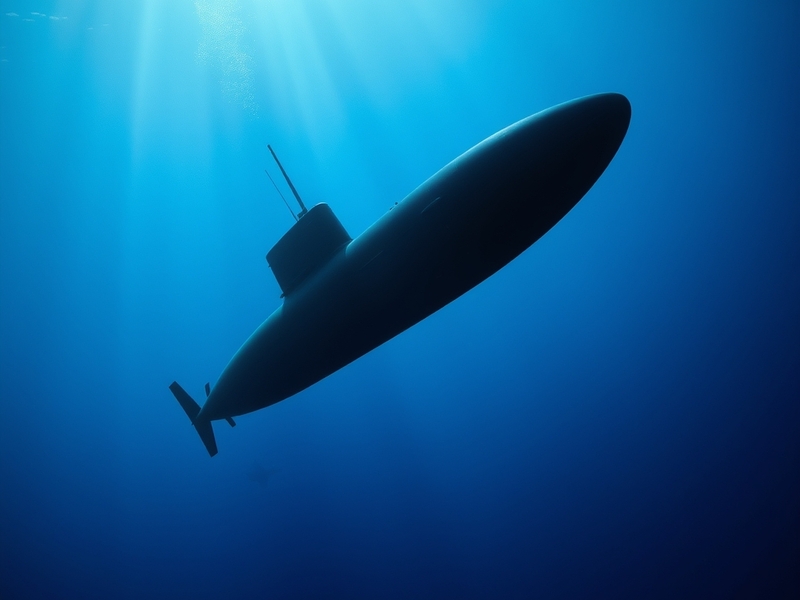
U.S. submarines play a crucial role in military strategy, particularly in areas of heightened tension like the Persian Gulf. These vessels are equipped with advanced technology that allows them to operate stealthily, gather intelligence, and, if necessary, conduct strikes against adversaries. The deployment of submarines serves multiple purposes:
- Deterrence: The presence of submarines can deter potential aggression from adversaries.
- Intelligence Gathering: Submarines can collect vital intelligence on enemy movements and capabilities.
- Rapid Response: Submarines can be deployed quickly to respond to emerging threats.
In the context of Iran, the U.S. Navy has increased its submarine presence in the region as a show of force and a means of maintaining stability. This is particularly relevant given Iran’s recent military maneuvers and its ongoing development of missile capabilities.
Recent Developments and Military Exercises
In recent months, tensions have escalated with Iran conducting military exercises that showcase its naval capabilities. These exercises often include missile launches and the deployment of various naval assets, signaling Iran’s readiness to respond to perceived threats. In response, the U.S. has increased its military readiness, including the deployment of submarines capable of launching Tomahawk missiles.
These developments have raised concerns about a potential conflict. Analysts point out that while both nations may not seek an outright war, miscalculations could lead to unintended confrontations. The strategic positioning of submarines allows the U.S. to maintain a tactical advantage while minimizing the risk of direct engagement.
The Impact on Regional Stability
The presence of U.S. submarines in the Persian Gulf has significant implications for regional stability. Countries like Saudi Arabia and Israel view the U.S. military presence as a protective measure against Iranian aggression. However, it also raises the stakes for Iran, which perceives this as a direct threat to its sovereignty.
Furthermore, the ongoing military buildup contributes to an arms race in the region. Nations are increasingly investing in advanced military technologies, including anti-submarine warfare capabilities. This cycle of escalation can lead to a precarious situation where any misstep could trigger a broader conflict.
Key factors influencing regional dynamics include:
- Iran’s missile development program.
- The U.S. commitment to its allies in the region.
- International diplomatic efforts to mitigate tensions.
As the situation evolves, the role of U.S. submarines will remain a focal point in discussions surrounding military strategy and regional security.
Conclusion
The deployment of U.S. submarines in the Persian Gulf highlights the complex interplay of military strategy, regional politics, and international relations. As tensions between the U.S. and Iran continue to simmer, these submarines serve as both a deterrent and a potential catalyst for conflict. Understanding the implications of this military presence is essential for grasping the broader context of U.S.-Iran relations and the future of stability in the Middle East.