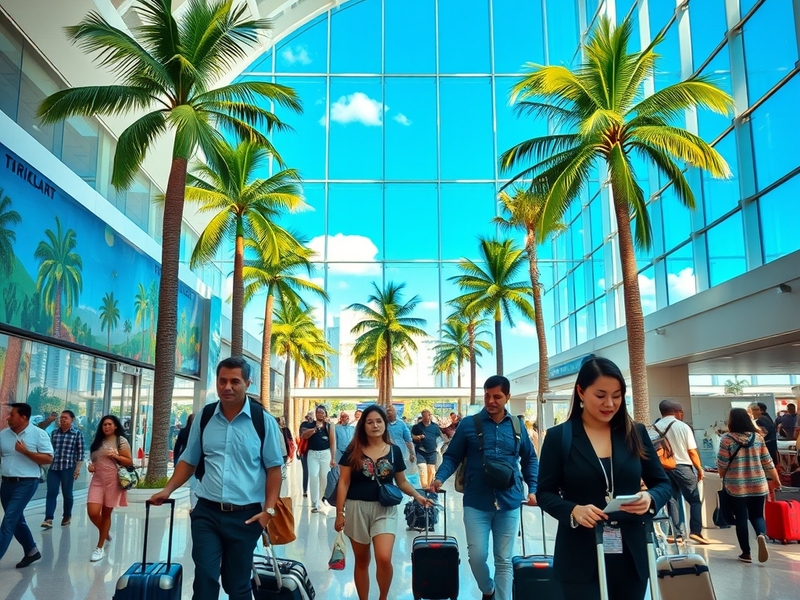
Overview of Miami International Airport
Miami International Airport (MIA) serves as a crucial gateway for international travelers and cargo alike. Located just eight miles from downtown Miami, it is one of the busiest airports in the United States. MIA is particularly important for flights to Latin America and the Caribbean, handling millions of passengers each year.
With its strategic location, MIA connects a multitude of destinations. The airport boasts a vast network of over 100 international destinations, making it a key hub for both leisure and business travelers. Its modern facilities and diverse services cater to the needs of passengers from around the globe.
Facilities and Services
MIA is equipped with a wide range of amenities designed to enhance the travel experience. Here are some notable features:
- Dining Options: The airport offers numerous restaurants, ranging from fast food to upscale dining, featuring local and international cuisine.
- Shopping: Travelers can find a variety of shops, including duty-free stores, luxury brands, and local souvenir shops.
- Lounges: Various airline lounges provide comfortable spaces for passengers to relax before their flights.
- Transportation: MIA is well-connected with various transportation options, including taxis, shuttles, and public transit.
These facilities not only improve the passenger experience but also contribute to the airport’s efficiency in handling high volumes of travelers.
Air Traffic and Economic Impact
Miami International Airport plays a significant role in the local economy. It generates thousands of jobs and contributes billions to Florida’s economy. The airport is a major hub for cargo operations, ranking among the top airports for international freight. This is particularly vital for industries such as pharmaceuticals, perishables, and electronics.
In terms of air traffic, MIA has seen fluctuations influenced by global events, including the COVID-19 pandemic. However, the airport has shown resilience, with a steady recovery in passenger numbers and cargo operations. This recovery is essential not only for the airport but also for the broader economy.
Future Developments
Looking ahead, MIA has several expansion projects planned to enhance its infrastructure and services. These developments aim to improve passenger flow, increase capacity, and modernize facilities. Some key initiatives include:
- Expansion of Concourse E to accommodate more international flights.
- Upgrades to the airport’s technology systems for smoother check-in and security processes.
- Enhancements to ground transportation facilities to improve access to the airport.
These initiatives reflect MIA’s commitment to maintaining its status as a leading international airport while adapting to the changing needs of travelers.
In conclusion, Miami International Airport stands as a vital hub for international travel and commerce. Its robust facilities, significant economic contributions, and planned expansions position it well for future growth. As air travel continues to evolve, MIA is poised to meet the demands of travelers and cargo operators alike, ensuring that it remains a key player in the global aviation landscape.