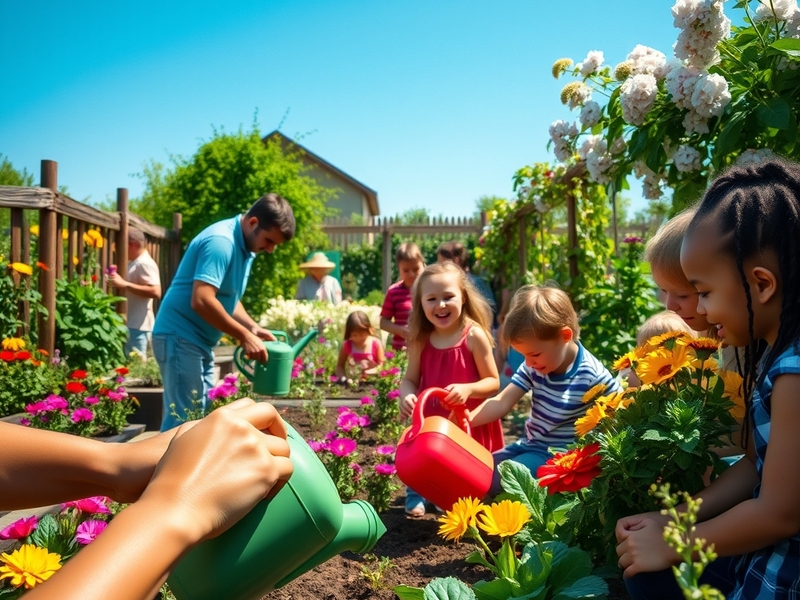
The Joy of Gardening: Nurturing Nature and Yourself
Gardening is more than just a hobby; it is a gateway to enhancing our well-being and connecting with the environment. Whether you have a sprawling yard or a small balcony, engaging with the earth offers numerous benefits. From reducing stress to promoting physical activity, gardening has a profound impact on our lives.
At its core, gardening allows individuals to cultivate plants, flowers, and vegetables, creating a personal oasis. The act of planting seeds and watching them grow fosters a sense of responsibility and patience. Moreover, the physical labor involved contributes to fitness and health, making gardening a holistic activity.
Benefits of Gardening
Gardening presents a multitude of advantages that extend beyond the aesthetic appeal of a well-kept garden. Here are some key points to consider:
- Physical Health: Gardening is a great workout, engaging various muscle groups and promoting cardiovascular health.
- Mental Well-being: The act of nurturing plants can reduce anxiety and improve mood.
- Environmental Impact: Gardens contribute to biodiversity, providing habitats for various species.
- Food Security: Growing your own vegetables can lead to a more sustainable lifestyle and healthier eating habits.
Each of these benefits contributes to a more balanced life, reinforcing the notion that gardening is a valuable practice in today’s fast-paced society.
Getting Started with Gardening
For beginners, diving into the world of gardening may seem daunting. However, with the right approach, anyone can cultivate a thriving garden. Here are some essential steps to kick off your gardening journey:
- Choose the Right Space: Identify an area that receives adequate sunlight and has good drainage.
- Understand Your Soil: Test your soil to determine its pH and nutrient levels. This will help in selecting appropriate plants.
- Select Plants Wisely: Consider your climate and choose plants that are well-suited to your environment.
- Plan Your Layout: Design your garden layout considering plant heights, sunlight needs, and growth patterns.
- Stay Consistent: Regular maintenance, including watering, weeding, and pruning, is crucial for a healthy garden.
Each of these steps builds a solid foundation for a successful gardening experience. As you nurture your plants, you also cultivate a deeper appreciation for nature.
Gardening as a Community Activity
Gardening is not solely an individual endeavor; it can also be a communal activity that fosters connections among people. Community gardens are popping up in urban areas, where individuals come together to share resources, knowledge, and harvests. These spaces not only beautify neighborhoods but also promote social interaction and cooperation.
Moreover, participating in community gardening can lead to educational opportunities. Workshops on sustainable practices, pest management, and composting can empower participants with knowledge that extends beyond the garden. This collective approach to gardening encourages a sense of belonging and shared responsibility for the environment.
Conclusion: A Lifelong Journey
Gardening is a fulfilling practice that offers numerous benefits, from enhancing physical health to creating social bonds. It encourages mindfulness, patience, and a deeper connection with the natural world. As more people embrace gardening, the implications extend beyond personal enjoyment, contributing to community resilience and environmental sustainability. Whether you are a seasoned gardener or just starting, nurturing plants can lead to a richer, more vibrant life.