Understanding the Grito de Independencia
The Grito de Independencia, or the “Cry of Independence,” marks a pivotal moment in Mexican history. It is celebrated annually on September 16 as the day that ignited the fight for independence from Spanish colonial rule. The event is steeped in tradition and national pride, symbolizing the desire for freedom and self-determination among Mexicans.
The Historical Context
To fully grasp the significance of the Grito de Independencia, it is essential to understand the socio-political climate of early 19th century Mexico. By the early 1800s, the Spanish crown had imposed heavy taxes and strict regulations on its colonies. Discontent grew among various social classes, including criollos (people of Spanish descent born in Mexico), indigenous populations, and mestizos (people of mixed European and indigenous ancestry).
In this context, figures such as Miguel Hidalgo y Costilla emerged as leaders of the independence movement. On the night of September 15, 1810, Hidalgo rang the church bells in his parish of Dolores, calling the people to arms against Spanish oppression. This moment is commemorated every year in towns and cities across Mexico with a ceremonial reenactment.
Significance of the Grito
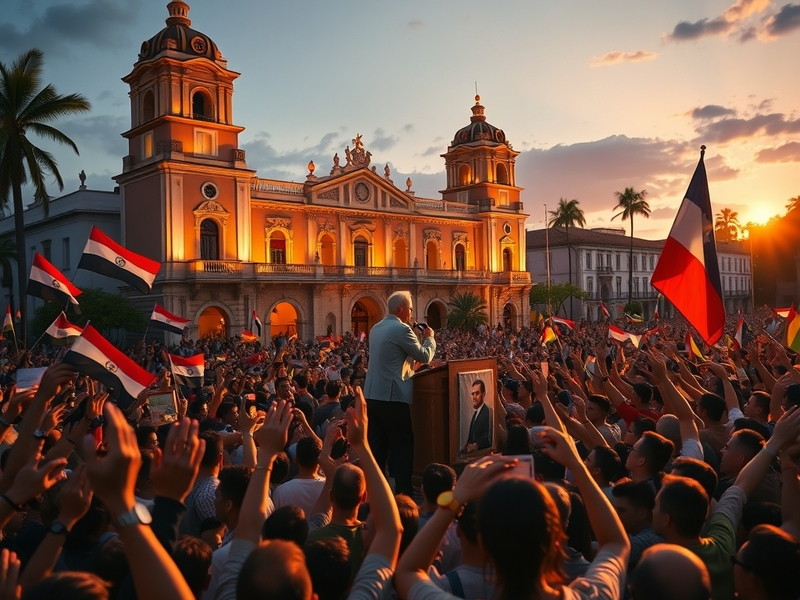
The Grito de Independencia is not merely a historical event; it is a symbol of national identity and unity. The cry represents the collective struggle of Mexicans for autonomy and justice. Each year, thousands gather in the Zócalo, Mexico City’s main square, to witness the reenactment of Hidalgo’s call to arms.
During the celebrations, the President of Mexico delivers a speech and rings the bell of Dolores, echoing Hidalgo’s call for freedom. This ritual not only honors the past but also emphasizes the ongoing importance of sovereignty and democracy in contemporary Mexico.
Cultural Celebrations
The Grito de Independencia is celebrated with a plethora of festivities, showcasing Mexico’s rich cultural heritage. The celebrations typically include:
- Parades featuring traditional music and dance.
- Fireworks displays illuminating the night sky.
- Street fairs with food stalls offering traditional Mexican cuisine.
- Artistic performances highlighting Mexican folklore.
These events foster a sense of community and belonging, allowing citizens to express their pride in their heritage. The Grito de Independencia serves as a reminder of the sacrifices made by those who fought for freedom and the ongoing journey toward equality and justice.
Contemporary Reflections
As Mexico continues to navigate its path as a sovereign nation, the Grito de Independencia also prompts reflection on current social and political issues. While the day is filled with celebration, it also serves as a reminder of the challenges that persist, such as economic inequality and corruption.
In recent years, activists have used the occasion to advocate for various causes, including indigenous rights and women’s rights. This evolution of the Grito reflects a broader understanding of independence, extending beyond mere political autonomy to encompass social justice and equity.
Conclusion
The Grito de Independencia stands as a powerful symbol of Mexico’s fight for freedom and identity. It encapsulates a rich history of struggle and resilience, while also serving as a platform for contemporary discourse on justice and equality. As Mexicans come together each September to honor this pivotal moment in their history, they are not only celebrating their past but also envisioning a future that upholds the values of liberty and solidarity.
For more insights into cultural celebrations and historical events, visit our Culture page or explore our News section for the latest updates.