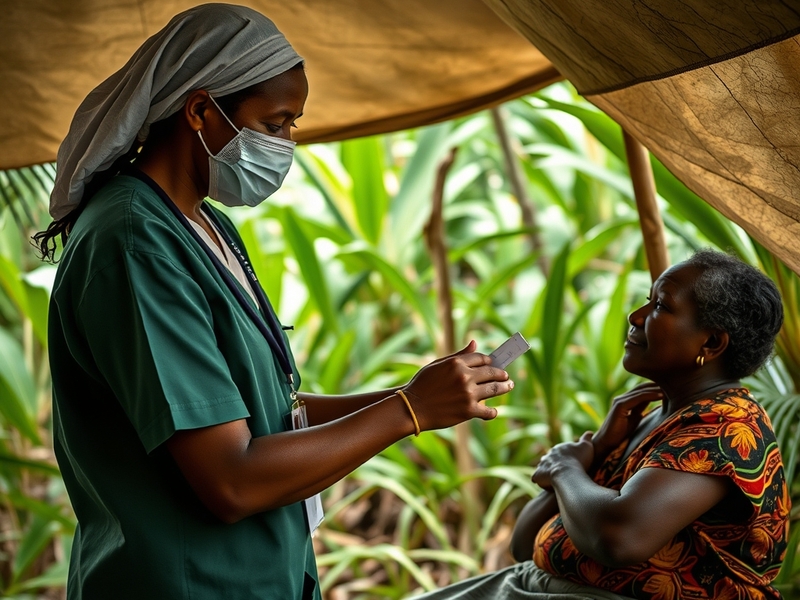
Understanding the HIV Crisis in Fiji
Fiji, known for its stunning landscapes and vibrant culture, faces a significant public health challenge: a rising HIV crisis. Over the past decade, the prevalence of HIV in the country has increased alarmingly, prompting urgent calls for action from both local and international health organizations. This article aims to explore the factors contributing to the crisis, its implications for Fijian society, and the global context surrounding this public health issue.
Current Statistics and Trends
The HIV epidemic in Fiji is characterized by its increasing infection rates, particularly among vulnerable populations. Recent data indicates that Fiji has one of the highest rates of HIV in the Pacific region. Key statistics include:
- Approximately 1,600 people are living with HIV in Fiji.
- The annual number of new infections has risen steadily, with a reported increase of 40% over the last five years.
- Young adults, especially those aged 15-24, represent a significant portion of new cases.
These figures highlight an urgent need for targeted interventions and increased awareness to combat the spread of the virus.
Contributing Factors to the Crisis
Several factors contribute to the ongoing HIV crisis in Fiji. Understanding these elements is crucial for developing effective strategies to address the epidemic:
- Lack of Awareness: Many individuals, especially in rural areas, lack basic knowledge about HIV transmission and prevention methods.
- Stigma and Discrimination: Societal stigma surrounding HIV remains a significant barrier to testing and treatment. Many individuals fear discrimination and ostracism, leading to delayed diagnoses.
- Limited Healthcare Access: Access to healthcare services, including testing and antiretroviral therapy, is often limited in remote regions, exacerbating the crisis.
- Socioeconomic Factors: High levels of poverty and unemployment contribute to risky behaviors, such as substance abuse and transactional sex, which increase the risk of HIV transmission.
Global Perspective and Cultural Context
The HIV crisis in Fiji cannot be viewed in isolation; it is part of a broader global epidemic that affects millions. The World Health Organization (WHO) has identified the Pacific Islands as an area of increasing concern, with Fiji being at the forefront of this issue. Culturally, the response to HIV in Fiji is influenced by traditional beliefs and practices. While the Fijian culture emphasizes community and family, the stigma associated with HIV can lead to isolation for those affected.
Furthermore, international organizations are working alongside the Fijian government to implement strategies aimed at reducing the transmission of HIV. Programs focused on education, awareness, and healthcare access are critical to reversing the trend. Partnerships with local NGOs and community leaders can foster a more inclusive environment, encouraging individuals to seek testing and treatment without fear of judgment.
Conclusion: The Path Forward
Addressing the HIV crisis in Fiji requires a multifaceted approach that combines education, healthcare access, and community engagement. By tackling the stigma associated with HIV and providing comprehensive support to those affected, Fiji can work towards reducing infection rates and improving the quality of life for its citizens. The global community’s involvement is essential in providing resources and expertise to combat this epidemic effectively. As Fiji continues to navigate this public health challenge, a united effort will be crucial in creating a healthier future for all Fijians.
For more insights into health-related issues, visit our Health section, or explore other trending topics in our Trending category.