Slow Horses Season 6 Review: A Tense Conclusion
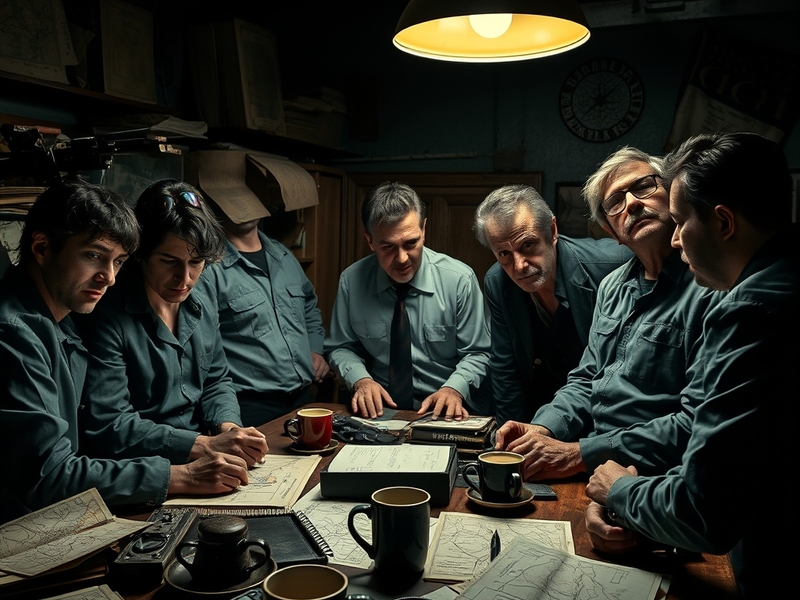
The sixth season of “Slow Horses” marks a pivotal moment for the acclaimed series, bringing together a blend of espionage, dark humor, and character-driven drama. As the narrative unfolds, the stakes escalate, demonstrating the show’s ability to maintain tension while exploring the complexities of its characters. This season not only wraps up existing story arcs but also introduces new layers, keeping viewers on the edge of their seats.
Character Development and Dynamics
One of the standout features of this season is the evolution of its characters. The writers have deftly navigated their personal struggles and professional dilemmas, making them more relatable and engaging. Each character’s journey is intricately woven into the overarching plot, showcasing their growth and the consequences of their choices.
Key character developments include:
- Jackson Lamb: Played with a mix of gruffness and vulnerability, Lamb’s leadership is tested as he faces betrayal from within.
- River Cartwright: River’s transformation from a rookie to a more seasoned operative is compelling, reflecting the harsh realities of intelligence work.
- Louisa Guy: Louisa’s increasing assertiveness adds depth to her character, challenging traditional gender roles within the spy genre.
These developments not only enhance the narrative but also highlight the importance of teamwork and trust in high-pressure situations.
Thematic Elements and Broader Implications
This season delves into themes of loyalty, betrayal, and the moral ambiguities of espionage. The characters are often faced with difficult choices that blur the lines between right and wrong. This exploration is particularly relevant in today’s geopolitical climate, where the actions of intelligence agencies often come under scrutiny.
Furthermore, the series tackles the impact of technology on modern espionage. The reliance on surveillance and data collection raises ethical questions about privacy and individual rights. By weaving these themes into the storyline, “Slow Horses” encourages viewers to reflect on the implications of a surveillance state.
Production Quality and Direction
The production quality of “Slow Horses” continues to impress, with meticulous attention to detail evident in both the cinematography and set design. The gritty aesthetic complements the tense atmosphere, immersing viewers in the world of espionage. Direction is sharp, with a clear vision that balances action with character-driven moments.
Notable aspects of the production include:
- Cinematography: The use of lighting and framing creates a sense of foreboding, enhancing the suspenseful moments.
- Sound Design: The score effectively builds tension, while ambient sounds ground scenes in realism.
- Editing: Pacing is expertly managed, allowing for both high-octane action sequences and quieter, introspective moments.
This attention to detail contributes to the overall impact of the series, making it a standout in the genre.
Conclusion: A Fitting End
In conclusion, the sixth season of “Slow Horses” successfully ties up loose ends while leaving room for future narratives. The character arcs are satisfying and well-developed, and the thematic depth resonates with contemporary issues. As viewers reflect on the season’s events, they are left with a sense of closure, yet also an awareness of the ongoing complexities in the world of espionage. “Slow Horses” has solidified its place in the pantheon of modern spy dramas, offering a rich tapestry of storytelling that is both entertaining and thought-provoking.