What is Fat Bear Week?
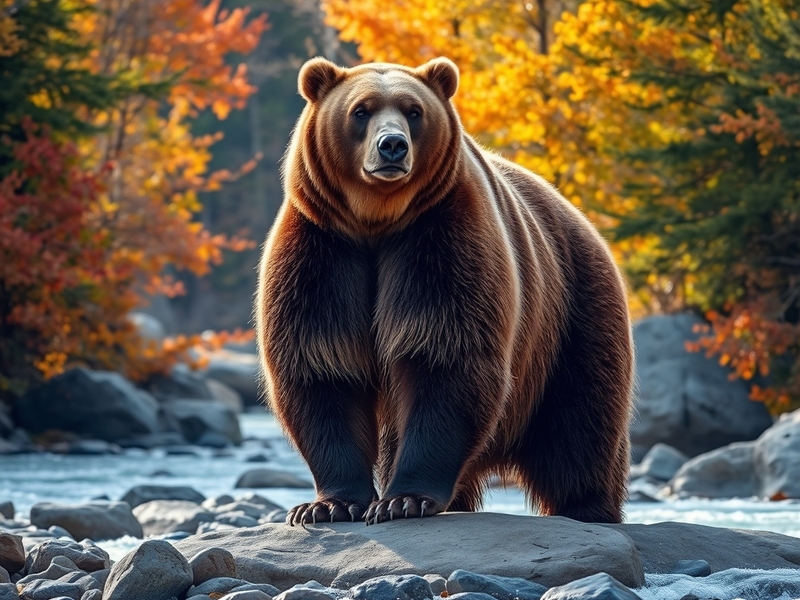
Fat Bear Week is an annual celebration that honors the majestic brown bears of Katmai National Park in Alaska as they prepare for hibernation. Each fall, these bears engage in a remarkable feeding frenzy, consuming large quantities of salmon to build up fat reserves for the winter months. This event has gained popularity across the globe, drawing attention to wildlife conservation and the importance of habitat preservation.
The Origins of Fat Bear Week
Launched in 2014, Fat Bear Week began as a fun and engaging way to promote awareness about the bears and their ecosystem. The event features a bracket-style competition where fans can vote for their favorite bears based on their size and appearance. This playful contest not only entertains but also educates the public about the bears’ lives, their behavior, and the challenges they face.
How It Works
During Fat Bear Week, participants can view photos and videos of the bears, often taken by the park’s live webcams. Each bear is assigned a unique name and number, allowing fans to follow their journey as they bulk up for winter. The competition culminates in a final showdown, where the bear that has gained the most weight is crowned the “Fat Bear Champion.”
Global Engagement
The appeal of Fat Bear Week extends beyond the borders of Alaska. People from various countries engage in the festivities, sharing their favorite bears on social media and discussing the significance of wildlife conservation. The event has sparked a global conversation about the challenges faced by bears and their habitats, including climate change and human encroachment.
In many ways, Fat Bear Week serves as a microcosm of larger environmental issues. By rallying support for these bears, advocates highlight the need for conservation efforts worldwide. The enthusiasm generated during this week encourages individuals to take action—whether through donations, advocacy, or simply spreading awareness.
Cultural Perspectives on Wildlife Conservation
Wildlife conservation varies significantly across cultures. In some regions, animals like bears are revered and protected, seen as symbols of strength and resilience. In others, they may be viewed as threats to livestock or human safety. Fat Bear Week showcases a positive perspective, emphasizing the importance of coexistence and respect for nature.
Here are a few cultural perspectives on wildlife conservation:
- Indigenous Practices: Many Indigenous cultures have long-standing traditions of respecting and protecting wildlife. Their practices often emphasize sustainability and balance with nature.
- Modern Conservation Efforts: Organizations around the world work to protect endangered species and their habitats. Fat Bear Week contributes to this effort by raising awareness and promoting engagement.
- Public Engagement: Events like Fat Bear Week encourage people to connect with wildlife. This engagement fosters a sense of responsibility and advocacy for conservation initiatives.
Future of Fat Bear Week
As we look toward Fat Bear Week 2026, the event is expected to grow even more in popularity and significance. Organizers are continually exploring ways to enhance the experience for participants, with interactive features and educational resources. The goal is to foster a deeper understanding of the bears and the ecosystems they inhabit.
Moreover, as climate change continues to impact wildlife, the need for awareness and action becomes increasingly urgent. Fat Bear Week presents an opportunity to engage people in critical conversations about conservation and sustainability. By highlighting the lives of these bears, the event encourages a collective responsibility to protect our planet’s natural treasures.
Conclusion
Fat Bear Week is more than just a fun competition; it serves as a vital platform for wildlife conservation. By celebrating the unique lives of the brown bears in Katmai National Park, this event fosters global awareness and engagement in environmental issues. As Fat Bear Week continues to evolve, it remains a testament to the power of community and the importance of protecting our natural world.