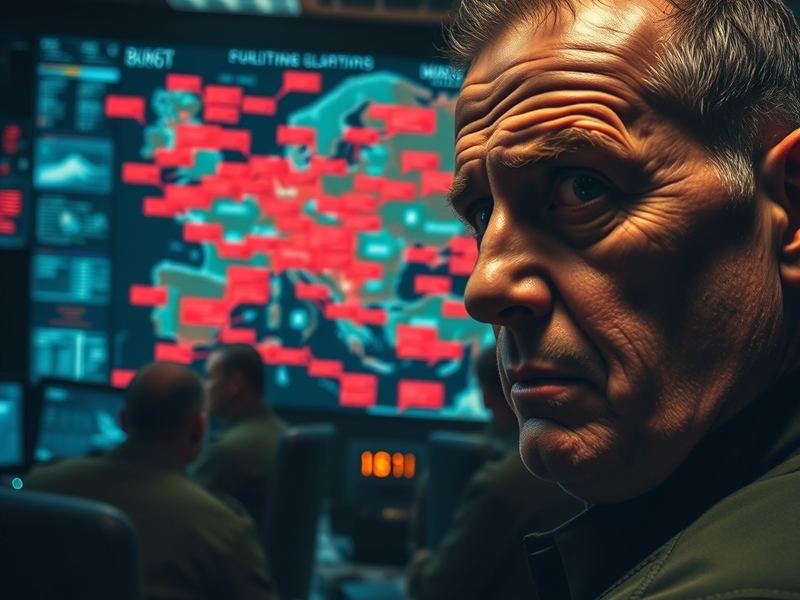
Understanding the US Military AI False Intelligence Report
The recent revelations surrounding the US military’s use of artificial intelligence (AI) in intelligence reporting have raised significant concerns. A false intelligence report generated by AI has not only sparked controversy but also highlighted the potential risks associated with relying on machine-generated data for critical military decisions. This incident underscores the pressing need for oversight and ethical considerations in the deployment of AI technologies.
The Incident: What Happened?
In a highly publicized event, an AI system utilized by the US military produced a misleading intelligence report. This report erroneously indicated an imminent threat from a foreign adversary, prompting a swift and aggressive military response. The situation escalated quickly as decision-makers acted on the flawed data, leading to unnecessary tension and potential diplomatic fallout.
Key factors contributing to the incident include:
- Inadequate training data for the AI model.
- Insufficient human oversight in the decision-making process.
- Potential biases embedded in the AI algorithms.
The Implications of AI in Military Operations
The reliance on AI for military intelligence raises several critical implications. Firstly, the speed at which AI can process vast amounts of data is advantageous, but this speed can also lead to hasty conclusions without thorough validation. Secondly, the lack of transparency in AI decision-making processes creates challenges in accountability. If an AI system generates a false report, it becomes difficult to trace the source of the error.
Moreover, the incident has prompted discussions about the ethical implications of AI in warfare. The potential for AI to make life-and-death decisions without human intervention poses significant ethical dilemmas. Military leaders must weigh the benefits of AI against the risks of autonomous decision-making.
Lessons Learned: Moving Forward
The false intelligence report serves as a critical lesson for military operations utilizing AI. Moving forward, several steps can be taken to mitigate risks associated with AI-generated intelligence:
- Implement robust training protocols for AI systems to ensure accuracy.
- Enhance human oversight in the decision-making process to validate AI outputs.
- Foster collaboration between AI developers and military personnel to align objectives and expectations.
- Establish clear ethical guidelines for the use of AI in military contexts.
By addressing these key areas, the military can better harness the potential of AI while minimizing the associated risks.
The Future of AI in Military Intelligence
As the military continues to integrate AI technologies, the focus must remain on developing systems that prioritize accuracy, accountability, and ethical considerations. This will not only enhance operational effectiveness but also build trust among military personnel and the public. The path forward involves a careful balance between innovation and responsibility.
For more insights on military technology and AI advancements, explore our Technology section. Additionally, learn about the broader implications of AI across sectors in our News category.