The Importance of News Education in Today’s Society
News education plays a pivotal role in shaping informed citizens who can critically engage with the world around them. In an age where information is ubiquitous, understanding how to navigate news sources is essential. This education empowers individuals to discern credible information from misinformation and equips them with the skills needed to analyze news critically.
Global Perspectives on News Education
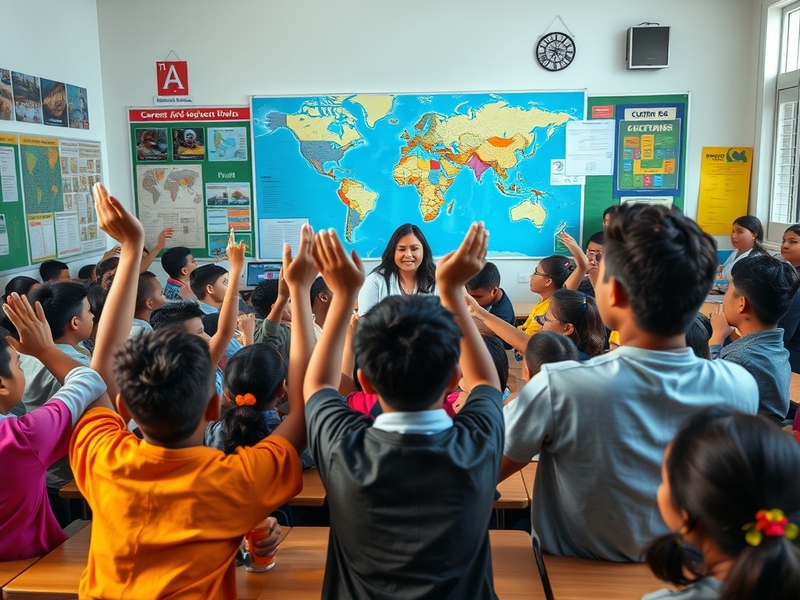
Across different cultures, the approach to news education varies significantly. In some regions, formal education systems incorporate media literacy into the curriculum, while in others, community organizations take the lead. For instance, Scandinavian countries often emphasize media literacy from an early age, teaching children how to evaluate sources and understand bias.
In contrast, many developing nations face challenges due to limited access to quality education and reliable news sources. This disparity can lead to a populace that is less equipped to engage with critical issues. The global effort to enhance news education must address these inequalities to foster a more informed society.
Key Components of Effective News Education
Effective news education typically includes several core components:
- Understanding News Formats: Students learn about various formats, including print, broadcast, and online news.
- Evaluating Sources: Critical thinking skills are developed to assess the credibility of sources.
- Recognizing Bias: Education focuses on identifying bias in reporting and understanding its implications.
- Engaging with Current Events: Encouraging active participation in discussions about current events promotes civic engagement.
The Role of Technology in News Education
Technology has transformed the landscape of news consumption and education. Online platforms and social media have created new avenues for learning, but they also pose challenges. The rapid spread of misinformation and the rise of echo chambers complicate the educational process.
To combat these issues, educators are leveraging technology to teach students how to verify information. Tools like fact-checking websites and media literacy apps are becoming integral to the curriculum. This shift is crucial in preparing students for a future where information is both abundant and often misleading.
Building a Culture of Critical Engagement
Fostering a culture of critical engagement with news is essential for a functioning democracy. Educational institutions, families, and communities must work together to encourage discussions about news and media. This collaborative effort can help create a generation that values informed decision-making.
Moreover, as individuals become more adept at navigating news, they can better engage with civic issues, advocate for their communities, and contribute to public discourse. The benefits of news education extend beyond individual knowledge; they strengthen the fabric of society as a whole.
In conclusion, news education is a vital component of modern society. By understanding the complexities of news consumption and fostering critical thinking skills, individuals can navigate the information landscape more effectively. As we move forward, it is imperative to prioritize news education globally, ensuring that everyone has the tools to engage thoughtfully with the world around them.