Understanding AMD Radeon: A Leader in Graphics Technology
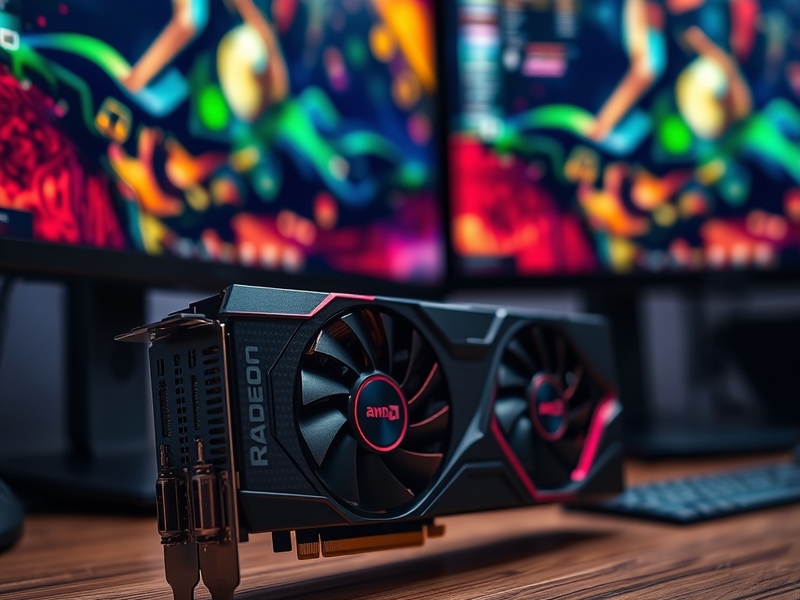
AMD Radeon has long been a significant player in the graphics card market, consistently pushing the boundaries of performance and efficiency. The brand is renowned for its innovative architecture, which enables high-quality graphics rendering and seamless user experiences across various applications, from gaming to professional visualization. This article explores the evolution of AMD Radeon, its key features, and its impact on the gaming and graphics industries.
The Evolution of AMD Radeon
Since its inception, AMD Radeon has undergone numerous transformations. Originally launched in the late 1990s, the brand has adapted to changing technologies and consumer needs. The introduction of the Radeon 7000 series marked a pivotal moment, offering advanced 3D graphics capabilities that set the stage for future developments.
Over the years, AMD has embraced new technologies such as:
- DirectX 12: Enhances performance and efficiency in gaming.
- Ray Tracing: Provides realistic lighting and reflections.
- Infinity Cache: Reduces latency and increases bandwidth.
- Smart Access Memory: Improves data flow between CPU and GPU.
These innovations have allowed AMD to compete effectively with rivals, particularly in the high-performance gaming segment. The continuous improvement in power efficiency and thermal management has also made AMD Radeon cards appealing to both casual and professional users.
Key Features of AMD Radeon Graphics Cards
One of the standout aspects of AMD Radeon products is their feature set. These graphics cards are designed not only for gaming but also for creative professionals who need robust performance for tasks such as video editing and 3D rendering. Some of the key features include:
- High Refresh Rates: Radeon cards support high refresh rates, ensuring smooth gameplay and reducing motion blur.
- Radeon Software: The software suite offers various tools for performance tuning, monitoring, and optimizing gaming experiences.
- Multi-GPU Support: Technology like CrossFire allows users to combine multiple GPUs for enhanced performance.
- Compatibility with Consoles: AMD powers the graphics in next-gen consoles, showcasing its commitment to cutting-edge technology.
These features not only cater to gamers but also appeal to professionals in fields such as animation, design, and scientific visualization. The versatility of AMD Radeon products has positioned them as essential tools in various industries.
The Broader Implications of AMD Radeon’s Advancements
The advancements made by AMD Radeon extend beyond just hardware. They have significant implications for the broader tech ecosystem. For instance, the push for ray tracing technology has prompted other manufacturers to enhance their offerings, leading to overall improvements in graphics quality across the board.
Moreover, as gaming becomes increasingly mainstream, the demand for high-performance graphics solutions rises. AMD’s commitment to affordability without sacrificing performance has made high-quality gaming accessible to a wider audience. This democratization of technology fosters a more competitive market, encouraging innovation and driving prices down.
Additionally, AMD’s focus on sustainability and energy efficiency is noteworthy. As environmental concerns grow, the tech industry faces pressure to reduce its carbon footprint. AMD Radeon’s advancements in power management not only enhance performance but also contribute to a more sustainable approach to gaming and graphics.
In conclusion, AMD Radeon stands at the forefront of graphics technology, continually evolving to meet the demands of gamers and professionals alike. Its innovative features, commitment to performance, and focus on sustainability make it a brand to watch in the coming years. As the industry progresses, AMD will likely remain a key player, influencing trends and shaping the future of graphics technology.