Understanding the Role of Colts Owner Jim Irsay
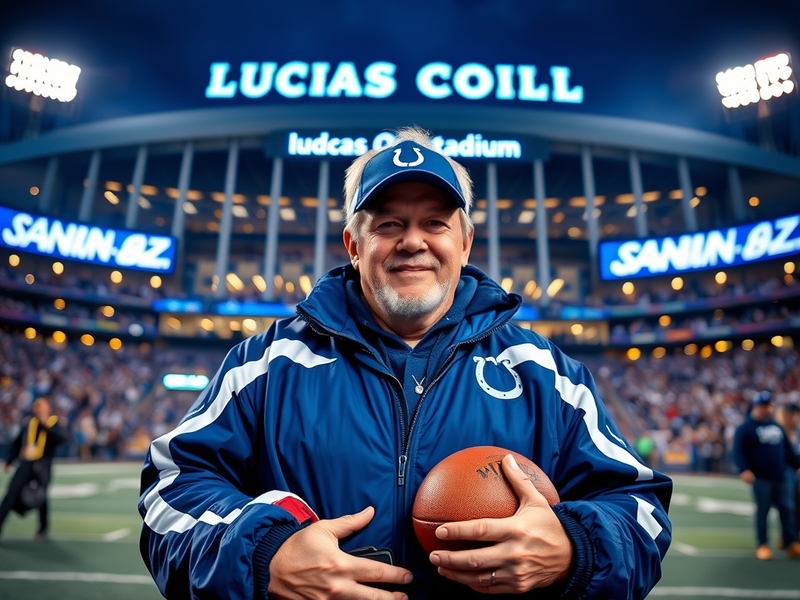
Jim Irsay, the owner of the Indianapolis Colts, is a figure who embodies both the triumphs and tribulations of professional sports ownership. His tenure has been marked by significant achievements, including a Super Bowl victory, and controversies that have captured media attention. As an owner, Irsay’s influence extends beyond the field, impacting the franchise, its fans, and the broader NFL landscape.
The Journey of Jim Irsay
Born on June 13, 1959, Irsay became the owner of the Colts in 1997, following the death of his father, Robert Irsay. Under his leadership, the Colts transitioned from a struggling franchise to a powerhouse in the NFL. Irsay has been instrumental in the team’s success, notably during the era of quarterback Peyton Manning, which culminated in a Super Bowl XLI win in 2007.
However, Irsay’s journey has not been without challenges. His public struggles with addiction and subsequent rehabilitation have been widely reported, reflecting a personal battle that many fans have followed closely. These challenges have shaped his public persona, making him a more relatable figure in the eyes of some supporters.
Impact on the Colts and the NFL
Irsay’s ownership style is characterized by a willingness to embrace change and innovation. He has been a proponent of player safety and mental health awareness, advocating for policies that prioritize the well-being of athletes. This approach resonates with a growing movement within the NFL aimed at fostering a healthier environment for players.
Moreover, Irsay has made headlines for his active engagement on social media, often sharing personal anecdotes and insights about the team. This transparency has helped cultivate a more intimate relationship between the franchise and its fans. Some of his notable contributions include:
- Advocating for mental health initiatives in sports.
- Investing in community outreach programs.
- Promoting diversity within the organization.
These efforts have not only enhanced the team’s image but have also set a precedent for other franchises to follow. Irsay’s proactive stance on social issues reflects a broader trend in sports, where owners are increasingly held accountable for their impact on society.
The Cultural Significance of Sports Ownership
The role of sports owners, particularly in the NFL, is often scrutinized through the lens of cultural significance. Owners are not merely business figures; they are custodians of a community’s identity. In Indianapolis, the Colts represent more than just a football team; they symbolize local pride and resilience. Irsay’s approach to ownership has influenced the narrative surrounding the Colts, making them a source of inspiration for many.
Across the globe, the concept of sports ownership varies significantly. In some cultures, owners are viewed as benevolent figures, while in others, they are seen as profit-driven moguls. This dichotomy shapes fan experiences and expectations. For example, in European soccer, club ownership structures often include supporters’ trusts, allowing fans to have a say in management decisions. This contrasts sharply with the more centralized ownership model prevalent in the NFL.
Looking Ahead: The Future of the Colts Under Irsay
As the Colts look to the future, Irsay’s vision will play a crucial role in shaping the team’s trajectory. With a focus on building a competitive roster and fostering a positive team culture, Irsay aims to maintain the Colts’ status as a formidable presence in the NFL. Moreover, his commitment to community engagement will likely continue to strengthen the bond between the team and its supporters.
In conclusion, Jim Irsay’s journey as the owner of the Indianapolis Colts is a complex narrative filled with both triumph and adversity. His impact on the team and the NFL extends beyond mere wins and losses. Through his advocacy for player welfare and community involvement, Irsay has redefined what it means to be a sports owner in the modern era. As the Colts forge ahead, Irsay’s leadership will undoubtedly shape the franchise’s legacy for years to come.