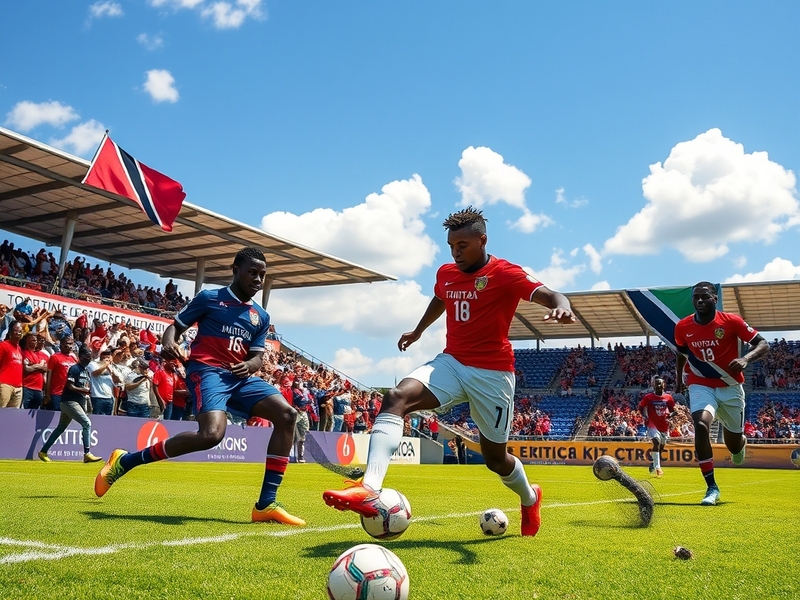
Comparative Overview of Haiti and Trinidad and Tobago
Haiti and Trinidad and Tobago, two Caribbean nations, are often discussed in various contexts ranging from politics to culture. While they share geographical proximity, their historical backgrounds, economic conditions, and social structures differ significantly. Understanding these differences can provide insights into the broader implications for the Caribbean region.
Historical Context
The histories of Haiti and Trinidad and Tobago are marked by colonialism and struggle for independence, yet they took markedly different paths. Haiti, the first nation to gain independence from colonial rule in 1804, was established following a successful slave revolt against French colonialists. This dramatic shift set the stage for a unique national identity, but it also led to political instability and economic challenges.
In contrast, Trinidad and Tobago gained independence from British colonial rule much later, in 1962. The transition was relatively peaceful, allowing the country to develop a more stable political environment. This historical context has influenced their respective socio-economic landscapes and governance structures.
Economic Disparities
The economic situations in Haiti and Trinidad and Tobago highlight stark contrasts. Haiti remains one of the poorest countries in the Western Hemisphere, facing persistent challenges such as high unemployment rates, inadequate infrastructure, and limited access to education and healthcare. The economy relies heavily on agriculture, remittances, and foreign aid.
On the other hand, Trinidad and Tobago boasts a more diversified economy, heavily reliant on oil and gas production. The nation benefits from significant natural resources, which have propelled its economic growth. Nevertheless, it faces challenges, such as fluctuating oil prices and a need for economic diversification.
Key economic indicators include:
- GDP per capita: Haiti’s GDP per capita is approximately $1,200, while Trinidad and Tobago’s stands around $17,000.
- Unemployment rate: Haiti’s unemployment rate hovers around 14%, whereas Trinidad and Tobago’s is approximately 5%.
- Major industries: Haiti relies on agriculture, while Trinidad and Tobago’s economy is driven by energy resources.
Social and Cultural Dynamics
The social fabric of Haiti and Trinidad and Tobago is equally diverse yet unique. Haiti’s culture is heavily influenced by its African heritage, combined with elements from French colonialism. This rich cultural tapestry is evident in its music, art, and religious practices. Vodou, for example, plays a central role in Haitian spirituality and cultural identity.
Conversely, Trinidad and Tobago is known for its vibrant multicultural society, where African, Indian, and indigenous influences converge. This diversity is celebrated through various festivals, such as Carnival, which showcases the nation’s rich artistic expressions. The coexistence of different cultures has fostered a unique national identity that is distinct from Haiti’s.
Broader Implications for the Caribbean Region
Understanding the differences between Haiti and Trinidad and Tobago sheds light on broader regional dynamics. The economic stability of Trinidad and Tobago offers a contrast to Haiti’s struggles, raising questions about regional cooperation and development. The disparity in resources and governance can affect diplomatic relations, trade agreements, and regional security.
Furthermore, the challenges faced by Haiti, including political instability and natural disasters, have implications for neighboring nations. A stable and prosperous Trinidad and Tobago could potentially serve as a model for economic development in the Caribbean, promoting collaboration and support for nations like Haiti. However, the complexities of historical relationships and current socio-economic challenges must be acknowledged.
In conclusion, while Haiti and Trinidad and Tobago share a geographical space, their distinct historical, economic, and cultural narratives highlight the diversity of the Caribbean region. Addressing the disparities between these nations requires a nuanced understanding of their unique circumstances. A collaborative approach focused on mutual growth and support could pave the way for a more balanced Caribbean future.