Introduction to Nepal and Japan
Nepal and Japan, two countries located in different parts of Asia, offer distinct cultural, historical, and geographical contrasts. Nepal, known for its majestic Himalayas, rich traditions, and diverse ethnic groups, is a landlocked country nestled between India and China. Japan, an island nation in East Asia, is recognized for its advanced technology, unique traditions, and stunning landscapes ranging from bustling cities to serene countryside. This article explores various aspects of these two nations, comparing their cultures, economies, and tourism industries.
Cultural Heritage
The cultural heritage of Nepal is deeply intertwined with its history and geography. The country is home to several UNESCO World Heritage Sites, including the Kathmandu Valley, which features magnificent temples, ancient palaces, and intricate architecture. Festivals such as Dashain and Tihar showcase the vibrant traditions of the Nepalese people, reflecting their diverse religious beliefs and customs.
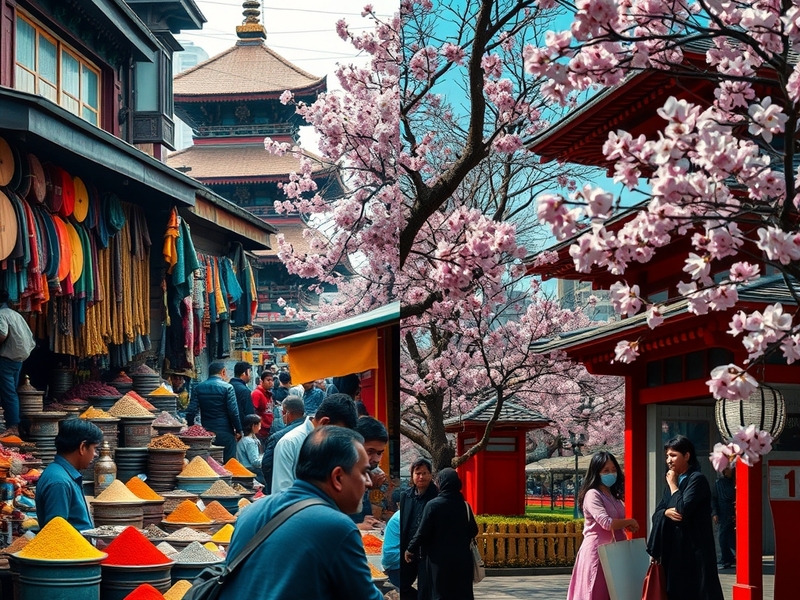
In contrast, Japan boasts a rich cultural tapestry that blends ancient traditions with modern practices. With its own UNESCO sites like Kyoto’s historic temples and shrines, Japan celebrates its heritage through festivals such as Hanami (cherry blossom viewing) and Matsuri (traditional festivals). The Japanese tea ceremony and the art of calligraphy are also significant aspects of its cultural identity.
- Nepal: Festivals, traditional music, and folk dances.
- Japan: Tea ceremonies, martial arts, and anime culture.
Economic Landscape
The economies of Nepal and Japan differ significantly in scale and structure. Japan is the third-largest economy in the world, characterized by advanced technology, manufacturing, and a strong export sector. Key industries include automobiles, electronics, and robotics. The country has made significant strides in innovation and is home to global corporations like Toyota, Sony, and Panasonic.
Nepal, on the other hand, has a developing economy primarily based on agriculture, tourism, and remittances. Agriculture employs a large portion of the population, while tourism plays a crucial role in generating foreign exchange. The breathtaking landscapes of the Himalayas attract trekkers and adventurers, contributing to the nation’s economy. However, Nepal faces challenges such as political instability and inadequate infrastructure, which hinder its economic growth.
Tourism and Attractions
Tourism is a vital sector for both Nepal and Japan, although the nature of their attractions varies widely. Nepal’s tourism is largely centered around trekking and mountaineering. The Everest Base Camp trek and the Annapurna Circuit are among the most popular routes for adventure seekers. Additionally, cultural tourism flourishes in cities like Bhaktapur and Pokhara, where visitors can immerse themselves in local traditions.
Japan’s tourism, while also offering natural beauty, is complemented by its modern attractions. Tourists flock to cities like Tokyo and Osaka for their vibrant urban life, shopping, and culinary experiences. Historical sites, such as the ancient city of Nara and the iconic Mount Fuji, draw visitors interested in Japan’s rich history and scenic landscapes.
- Top Attractions in Nepal:
- Everest Base Camp
- Pokhara and its lakes
- Chitwan National Park
- Top Attractions in Japan:
- Tokyo Tower
- Kyoto’s temples
- Hiroshima Peace Memorial Park
Conclusion
In summary, Nepal and Japan present fascinating contrasts in culture, economy, and tourism. While Nepal enchants visitors with its natural beauty and rich traditions, Japan impresses with its technological advancements and unique blend of old and new. Both countries have much to offer, catering to different interests and experiences. For travelers seeking adventure and cultural immersion, both Nepal and Japan provide enriching journeys that reflect the diverse tapestry of human experience.