Understanding the Azerbaijan Grand Prix Schedule
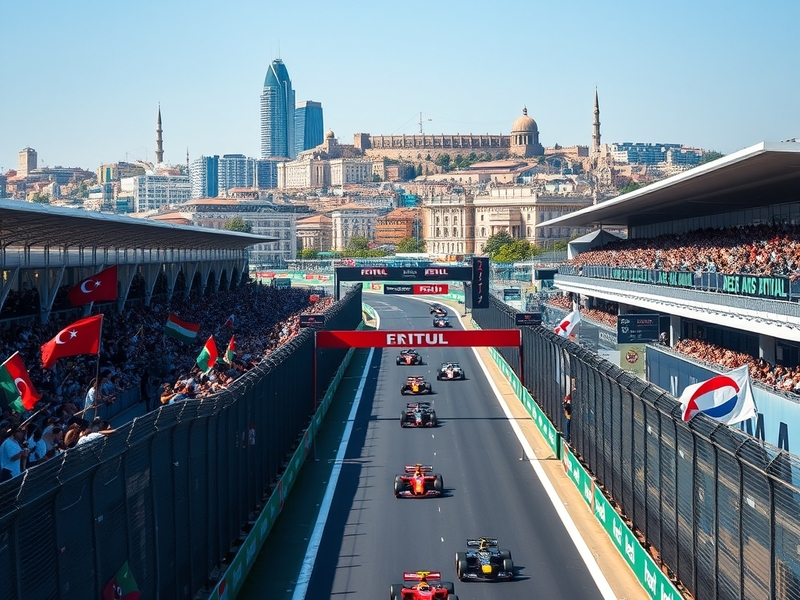
The Azerbaijan Grand Prix is a notable event in the Formula 1 calendar, known for its unique street circuit and vibrant atmosphere in Baku. One question that frequently arises among fans and analysts alike is, why is the Azerbaijan GP held on a Saturday instead of the traditional Sunday? This decision stems from a variety of logistical, cultural, and strategic factors that shape the race weekend.
Logistical Considerations
One of the primary reasons for scheduling the Azerbaijan GP on a Saturday is logistical efficiency. Baku’s urban environment presents unique challenges for organizing a race. The narrow streets and historical architecture limit the space available for race activities, making it difficult to accommodate the usual Sunday race.
Additionally, holding the event on a Saturday allows for:
- Reduced Traffic Disruptions: With the race taking place on a Saturday, local authorities can manage traffic and minimize disruptions better than on a busy Sunday.
- Extended Event Duration: A Saturday race provides an additional day for practice and qualifying sessions, allowing teams more time to prepare.
- Local Engagement: A Saturday event can attract more local spectators who may have other commitments on Sundays.
Cultural and Historical Context
Azerbaijan has a rich cultural heritage and a strong tradition of hosting various international events. By placing the Grand Prix on a Saturday, the organizers can align the race with local customs and festivities. This strategy enhances the overall experience for attendees and creates a more festive atmosphere around the race.
Moreover, Azerbaijan’s unique position as a bridge between Europe and Asia contributes to its diverse audience. Hosting the race on a Saturday allows fans from different regions to participate without conflicting schedules, further solidifying Baku’s status as a global sporting destination.
Impact on the Championship and Teams
Another angle to consider is how a Saturday race impacts the championship standings and team strategies. Teams must adapt their approach to the different schedule, which can influence tire strategies, pit stops, and overall race execution. The compressed timeline may lead to more aggressive racing, as teams have less time to analyze data and make adjustments between sessions.
Key implications for teams include:
- Strategic Planning: Teams must quickly adapt their strategies based on less practice time.
- Resource Allocation: Teams may need to allocate resources differently to accommodate the unique schedule.
- Increased Pressure: The urgency of a Saturday race can lead to heightened pressure on drivers and teams alike.
Conclusion
The decision to hold the Azerbaijan Grand Prix on a Saturday is a multifaceted one, driven by logistical, cultural, and strategic considerations. This schedule not only enhances the race experience for fans and teams but also solidifies Baku’s position on the Formula 1 calendar. As the sport continues to evolve, understanding these nuances becomes essential for fans who wish to appreciate the complexities behind each race.
For more insights into the world of motorsports, visit our Sports section. To explore more about the latest trends in racing, check our Trending page.