Understanding Flooding: Causes and Effects
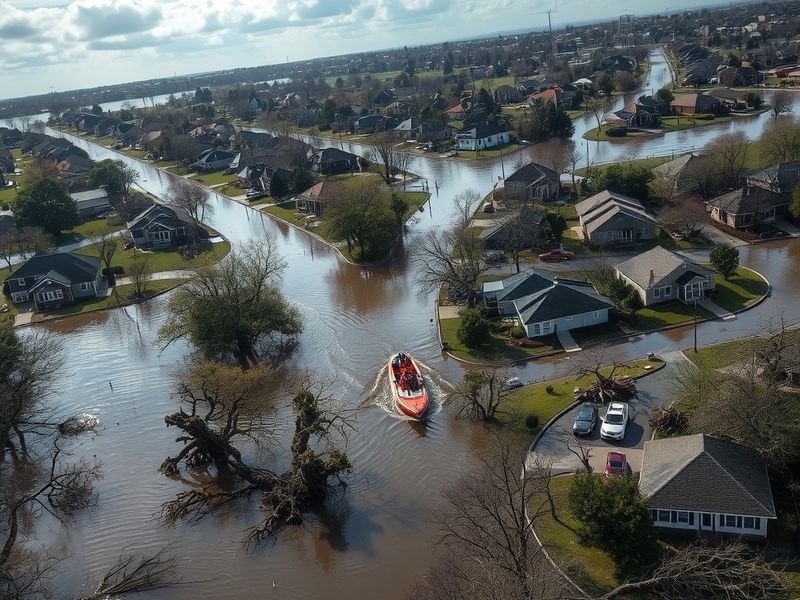
Flooding is a natural disaster that can occur in various forms, including flash floods, river floods, and coastal floods. Each type has its unique causes, but they all share a common impact: the potential for widespread destruction and disruption. Flooding can devastate communities, destroy infrastructure, and lead to significant economic losses.
One of the primary causes of flooding is heavy rainfall. When rain falls faster than the ground can absorb it, or when it exceeds the capacity of drainage systems, flooding can occur. Other contributing factors include rapid snowmelt, hurricanes, and dam failures. Urban areas are particularly susceptible due to impermeable surfaces that prevent water absorption.
Consequences of Flooding
The consequences of flooding extend beyond immediate physical damage. They can have long-lasting effects on communities, economies, and environments. Here are some key points to consider:
- Human Displacement: Floods often force people to evacuate their homes, leading to temporary or permanent displacement.
- Health Risks: Standing water can become a breeding ground for mosquitoes and other pests, increasing the risk of diseases.
- Economic Impact: Businesses may shut down, and recovery can take years, leading to financial strain on affected communities.
- Environmental Damage: Flooding can erode soil, disrupt ecosystems, and contaminate water supplies.
Mitigation and Preparedness Strategies
Mitigating the effects of flooding requires a multifaceted approach that includes infrastructure improvements, community education, and emergency planning. Governments and organizations worldwide are implementing various strategies to prepare for and respond to flooding.
- Improving Infrastructure: Upgrading drainage systems and constructing levees can help manage excess rainwater.
- Community Education: Informing residents about flood risks and preparedness can save lives and reduce damage.
- Emergency Response Plans: Developing and practicing evacuation plans ensures that communities can respond quickly when flooding occurs.
- Environmental Restoration: Restoring wetlands and natural floodplains can enhance the landscape’s ability to absorb excess water.
Broader Implications of Flooding
The implications of flooding are not just limited to immediate areas of impact. Climate change is altering weather patterns, leading to more frequent and intense flooding events. This shift poses challenges for urban planning, disaster management, and environmental conservation worldwide.
As communities face increasing flood risks, there is a pressing need for investment in sustainable infrastructure and climate resilience. Policymakers must prioritize long-term strategies that address the root causes of flooding and incorporate environmental considerations into urban development plans.
Ultimately, understanding flooding and its broader implications is crucial for fostering resilient communities. By investing in mitigation strategies and preparing for future events, societies can reduce the devastating effects of flooding and protect both their citizens and their economies.