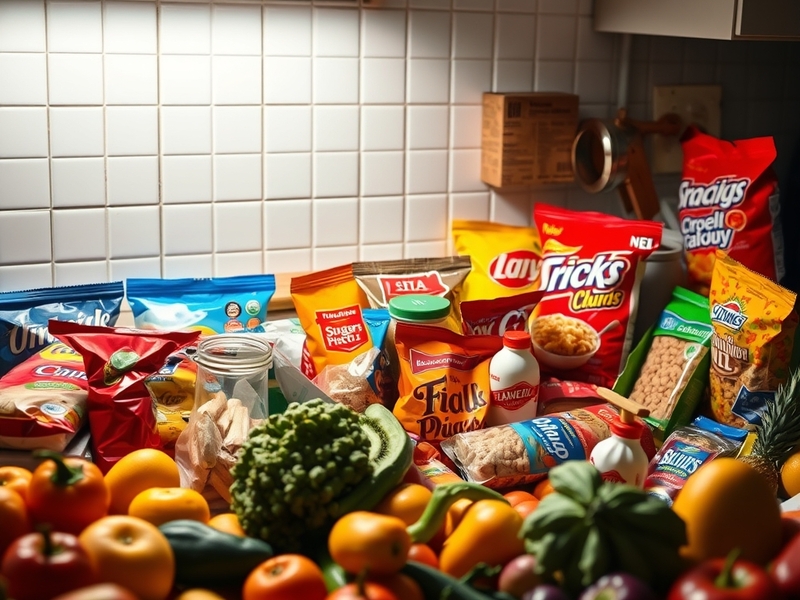
Understanding Ultra-Processed Food
Ultra-processed foods are products that have undergone significant industrial processing, often containing ingredients not typically found in a home kitchen. These foods include snacks, sugary drinks, instant noodles, and ready-to-eat meals. The convenience and affordability of ultra-processed foods have made them a staple in many households. However, their nutritional quality and health implications have sparked considerable concern among health experts.
Characteristics of Ultra-Processed Foods
Ultra-processed foods are characterized by several key features that distinguish them from minimally processed or whole foods. Here are some defining characteristics:
- High in added sugars, unhealthy fats, and salt.
- Contain artificial additives, preservatives, and flavor enhancers.
- Often marketed with appealing packaging and aggressive advertising.
- Low in essential nutrients such as vitamins, minerals, and fiber.
These foods are engineered to be hyper-palatable, encouraging overconsumption. They often lack the satiating qualities of whole foods, leading individuals to eat more than necessary.
Health Implications of Ultra-Processed Foods
The consumption of ultra-processed foods has been linked to a variety of health issues. Research indicates that these foods may contribute to obesity, heart disease, diabetes, and other chronic conditions. A systematic review of studies found that individuals who consume high amounts of ultra-processed foods are at a greater risk of developing these health problems.
Some specific health implications include:
- Obesity: The high caloric density and low nutrient content can lead to weight gain.
- Cardiovascular diseases: Diets rich in ultra-processed foods can increase the risk of heart-related issues.
- Diabetes: High sugar and refined carbohydrate intake can lead to insulin resistance.
Broader Implications for Society
The rise in ultra-processed food consumption has broader implications beyond individual health. It reflects changes in food production, marketing, and consumption patterns. As these foods dominate the market, they can displace traditional diets rich in whole foods, impacting cultural practices and food sovereignty.
Additionally, the environmental impact of ultra-processed foods cannot be overlooked. The production processes often involve significant resource use and contribute to greenhouse gas emissions. This raises questions about sustainability and the future of food systems.
Making Healthier Choices
While ultra-processed foods are convenient, making informed choices can help mitigate their negative effects. Here are some strategies for healthier eating:
- Focus on whole, unprocessed foods such as fruits, vegetables, whole grains, and lean proteins.
- Read food labels to identify added sugars, unhealthy fats, and artificial ingredients.
- Cook at home more often to control ingredients and portion sizes.
- Educate yourself on nutrition to make informed dietary decisions.
By prioritizing whole foods and being mindful of dietary choices, individuals can improve their health and well-being.
In conclusion, while ultra-processed foods offer convenience, their health implications and broader societal effects warrant careful consideration. By understanding what constitutes ultra-processed food and making conscious dietary choices, individuals can navigate the modern food landscape more effectively.