Historical Context of Belgium and France
Belgium and France share a rich and intertwined history that has shaped their cultural identities. The two nations have experienced numerous conflicts, alliances, and exchanges over centuries. Belgium, once a part of the Spanish and Austrian Empires, gained independence in 1830. France, with its profound influence on European politics and culture, played a significant role in Belgium’s formation.
The historical backdrop sets the stage for a contemporary rivalry, particularly in sports, where both nations often find themselves competing on various fronts. This rivalry is not merely about geography; it encompasses national pride, cultural identity, and a shared passion for sports.
Sports Rivalry: A Closer Look
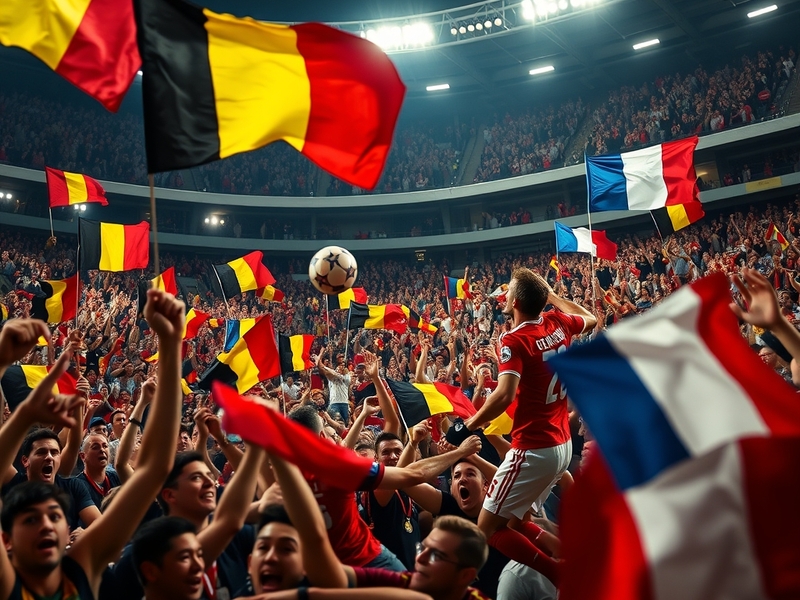
In the realm of sports, the rivalry between Belgium and France is particularly pronounced in football (soccer). Matches between the two teams are highly anticipated events that draw significant attention from fans and media alike.
Key moments in football history highlight this rivalry:
- Euro 1984: France triumphed over Belgium in the semi-finals, solidifying their dominance.
- World Cup 2018: France emerged victorious, claiming their second World Cup title after defeating Belgium in the semi-finals.
- UEFA Nations League 2021: Another chapter was written when Belgium faced France in the semi-finals, showcasing the intensity of their competition.
These matches illustrate not just the sporting prowess of each nation but also the emotional stakes involved. Fans rally behind their teams, fueled by national pride and a desire for victory.
Cultural Significance and National Identity
The rivalry extends beyond the pitch. It reflects deeper cultural narratives that define Belgian and French identities. Belgium, known for its rich linguistic diversity, is home to three major language communities: Flemish, French, and German. This diversity often influences the way Belgians perceive their French neighbors.
On the other hand, France’s historical significance as a cultural and intellectual powerhouse often casts a long shadow over its smaller neighbor. The French pride themselves on their language, art, and cuisine, which can create a sense of competition with Belgium’s own vibrant cultural scene.
Key cultural elements that illustrate this rivalry include:
- Cuisine: Both nations boast exceptional culinary traditions, with Belgium being famous for its chocolates and fries, while France is renowned for its exquisite pastries and wines.
- Language: The linguistic divide in Belgium creates a unique dynamic, particularly in regions where French and Flemish speakers co-exist.
- Art and Literature: Both countries have contributed significantly to European art and literature, leading to a friendly competition in cultural achievements.
Looking Ahead: The Future of the Rivalry
As both nations continue to evolve, the rivalry between Belgium and France is expected to remain vibrant. Future sporting events, particularly in football, will undoubtedly reignite passions and foster camaraderie among fans. Moreover, the cultural exchanges between the two countries will persist, enriching both societies.
In a global context, this rivalry also serves as a microcosm of broader European dynamics. It reflects the complexities of national identity, regional pride, and the spirit of competition that permeates sports. As global events unfold, the relationship between Belgium and France will likely adapt, influenced by political, economic, and social changes.
In conclusion, the rivalry between Belgium and France is multifaceted, encompassing historical, cultural, and sporting dimensions. It is a testament to the enduring nature of competition and camaraderie in Europe, reminding us of the shared experiences that shape our identities.