Expansion of Russian Military Personnel Under Putin
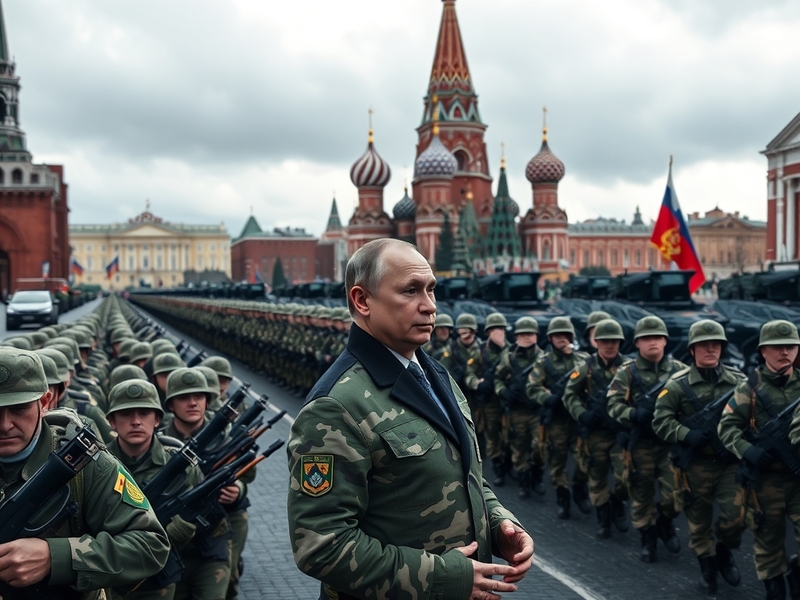
In recent years, President Vladimir Putin has initiated a significant expansion of Russia’s military personnel. This move is seen as a strategic response to various geopolitical challenges and aims to bolster Russia’s defense capabilities. As tensions rise in Eastern Europe and beyond, the implications of this expansion are profound, not only for Russia but also for its neighbors and global powers.
Context of Military Growth
Putin’s push for a larger military force comes amid a backdrop of increasing military engagements and territorial disputes. The annexation of Crimea in 2014 marked a pivotal moment in Russia’s military strategy, demonstrating a willingness to utilize force to achieve national objectives. Since then, the Kremlin has focused on modernizing its armed forces and increasing troop numbers.
Recent announcements indicate that Russia plans to increase its military personnel to over 1.5 million by 2026. This expansion raises several questions regarding Russia’s intentions and the potential consequences for global security.
Key Elements of the Expansion Plan
The military personnel expansion is characterized by several key components:
- Increased Recruitment: The Russian government is implementing policies to attract more individuals to join the military, including financial incentives and enhanced benefits.
- Modernization Efforts: Alongside personnel expansion, there is a concerted effort to modernize equipment and technology within the armed forces.
- Strategic Locations: The deployment of additional troops in strategic regions, particularly near NATO borders, signals a shift in military posture.
- Training Programs: Enhanced training programs are being established to ensure that new recruits meet the demands of modern warfare.
Broader Implications of Military Expansion
The ramifications of Russia’s military personnel expansion extend beyond its borders. For neighboring countries, particularly those in Eastern Europe, this development is alarming. Nations like Ukraine and the Baltic states are likely to view this as a direct threat, prompting them to reevaluate their own defense strategies.
Moreover, NATO member states may feel compelled to bolster their military readiness in response. Increased troop presence along NATO’s eastern flank could lead to a new arms race, further escalating tensions in the region. The risk of miscalculation or unintended conflict becomes a pressing concern as military exercises and troop movements increase.
On a global scale, the expansion could shift the balance of power. Russia’s assertiveness may encourage other nations to enhance their military capabilities, leading to a more militarized international environment. This situation underscores the importance of diplomatic engagement and dialogue to mitigate potential conflicts.
Conclusion
Putin’s military personnel expansion reflects a strategic decision rooted in both historical context and current geopolitical dynamics. As Russia seeks to assert its influence and protect its interests, the implications for regional stability and global security are profound. The international community must remain vigilant and proactive in addressing these developments to prevent escalation and promote peace.
For further insights on military strategies and geopolitical developments, explore our News and Analysis sections.