Understanding California Flooding: Causes and Impacts
California has long been known for its diverse climate, ranging from arid deserts to lush coastal regions. However, in recent years, the state has faced unprecedented flooding events that have raised concerns among residents and officials alike. The causes of these floods are multifaceted, often resulting from a combination of heavy rainfall, snowmelt, and human activity.
One primary contributor to flooding is the atmospheric river phenomenon. These long, narrow bands of moisture in the atmosphere can deliver significant amounts of rain over short periods, leading to flash floods and swollen rivers. Additionally, climate change has been linked to increased precipitation patterns, causing concerns about the future of water management in the state.
Recent Flood Events and Challenges
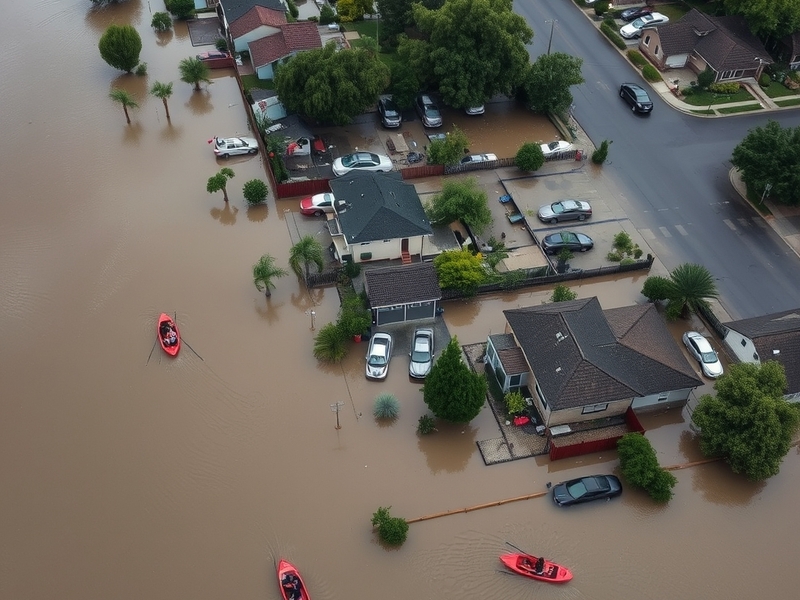
In early 2023, California experienced a series of storms that resulted in severe flooding across multiple counties. Areas such as San Bernardino and Ventura were particularly hard hit, with roads washed out and homes inundated. Emergency services worked tirelessly to rescue residents trapped by rising waters.
The challenges presented by these flooding events are numerous. Infrastructure is often strained during heavy rain, leading to delays in emergency response. Furthermore, the aftermath of flooding can leave communities grappling with recovery, including:
- Property damage and loss of personal belongings
- Displacement of residents and long-term housing issues
- Environmental impacts on local ecosystems
- Economic repercussions for local businesses
Long-term Solutions and Mitigation Strategies
Addressing the issue of flooding requires a comprehensive approach that includes both immediate responses and long-term planning. State officials have begun to implement various strategies aimed at mitigating the impacts of future floods.
Some key strategies include:
- Improving Infrastructure: Investing in robust drainage systems and levees can help manage excess water during heavy rainfall.
- Restoration of Natural Habitats: Wetland restoration can absorb excess water and provide a buffer against flooding.
- Community Preparedness Programs: Educating residents on flood risks and emergency preparedness can save lives and reduce property damage.
- Enhanced Weather Forecasting: Utilizing advanced technology for predicting severe weather patterns can help in planning and response.
These efforts, combined with ongoing research into climate adaptation, aim to create a more resilient California in the face of changing weather patterns.
The Role of Community and Environmental Awareness
Community involvement plays a critical role in flood preparedness and response. Local organizations and volunteers often step up to assist in recovery efforts, providing support to those affected by flooding. Additionally, environmental awareness campaigns can help educate residents about the importance of preserving natural landscapes that can mitigate flooding risks.
As California continues to experience the effects of climate change, it is crucial for residents to stay informed and engaged. Local governments, in partnership with community organizations, can foster a culture of preparedness and resilience. This collective effort can make a significant difference in how communities respond to and recover from flooding events.
Conclusion
California’s flooding issues are a pressing concern that demands attention from residents, policymakers, and environmentalists alike. With a combination of short-term emergency responses and long-term mitigation strategies, the state can work towards reducing the impact of future flooding events. By fostering community engagement and promoting environmental awareness, California can build a more resilient future against the challenges posed by climate change.