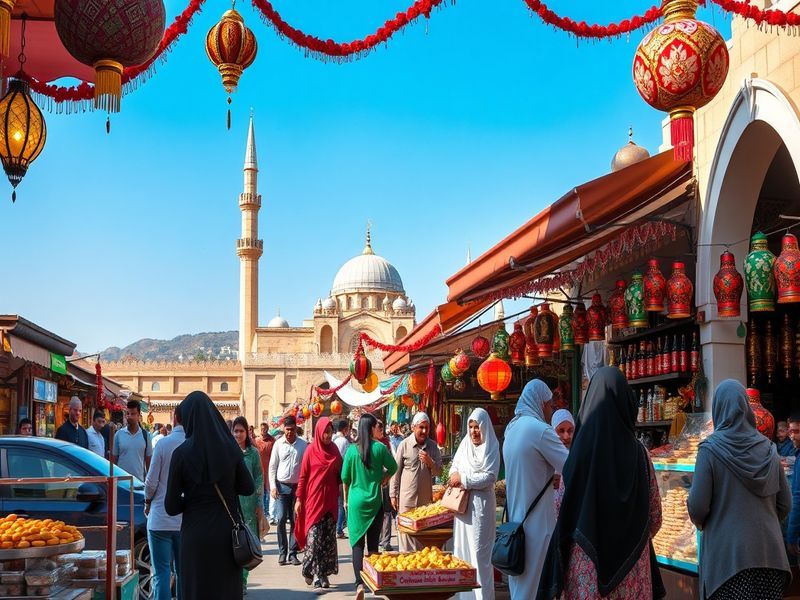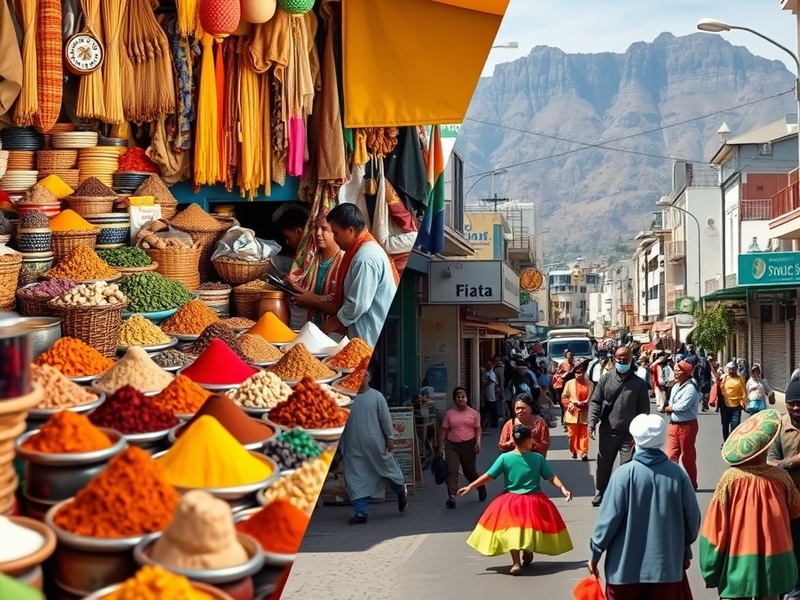
Introduction to Eritrea and South Africa
Eritrea and South Africa are two distinct nations on the African continent, each with its own unique history, culture, and political landscape. Eritrea, located in the Horn of Africa, has a history marked by conflict and struggle for independence from Ethiopia. In contrast, South Africa, situated at the southern tip of the continent, is renowned for its diverse cultures and its transition from apartheid to a democratic society.
Historical Context
The histories of Eritrea and South Africa are shaped by colonialism, resistance, and the quest for self-determination. Eritrea was colonized by Italy in the late 19th century and later annexed by Ethiopia after World War II. This led to a protracted struggle for independence that culminated in 1993. The nation has since faced challenges, including authoritarian governance and ongoing tensions with Ethiopia.
South Africa’s history is dominated by the legacy of apartheid, a system of institutionalized racial segregation that lasted until the early 1990s. The struggle against apartheid involved numerous activists, including Nelson Mandela, whose efforts eventually led to the establishment of a democratic government. This transition has had profound implications not only for South Africa but also for the broader African continent.
Cultural Differences and Similarities
Culturally, Eritrea and South Africa exhibit both differences and similarities. Eritrea is home to nine ethnic groups, with Tigrinya and Tigre being the most prominent. The country’s culture reflects a blend of African and Middle Eastern influences, seen in its music, dance, and cuisine. Traditional dishes like injera and zighni are staples in Eritrean households.
In contrast, South Africa is often referred to as the “Rainbow Nation” due to its rich tapestry of cultures, languages, and traditions. The nation recognizes 11 official languages, including Zulu, Xhosa, and Afrikaans. South African culture is characterized by its vibrant music scene, including genres like kwaito and jazz, as well as its diverse culinary offerings.
Despite their differences, both nations share common experiences of colonialism and struggle, which have shaped their national identities. The resilience of their people is evident in their art, literature, and social movements.
Political Landscape and Governance
The political environments of Eritrea and South Africa are starkly different. Eritrea is often criticized for its lack of political freedoms and human rights violations. The government, led by President Isaias Afwerki since independence, maintains strict control over the media and political opposition. Consequently, Eritrea is often labeled as one of the most repressive regimes in the world.
Conversely, South Africa’s political system is characterized by a multi-party democracy, with regular elections and a vibrant civil society. The African National Congress (ANC) has been the ruling party since the end of apartheid, but it faces challenges such as corruption and service delivery protests. The country’s constitutional framework guarantees rights and freedoms, fostering a more open political discourse.
- Eritrea’s governance:
- Authoritarian rule
- Restricted media and political opposition
- Mandatory national service
- South Africa’s governance:
- Multi-party democracy
- Regular elections
- Active civil society
Economic Perspectives
Economically, both countries are at different stages of development. Eritrea’s economy is largely based on agriculture and mining, with significant investments in gold and copper mining. However, the country faces numerous economic challenges, including limited infrastructure, a lack of foreign investment, and the impact of international sanctions.
South Africa, on the other hand, is one of the continent’s largest economies, with a diverse economic base that includes mining, manufacturing, and services. The country is a key player in regional trade and is a member of influential economic groups such as the BRICS. However, South Africa also grapples with high unemployment rates and economic inequality, stemming from its apartheid past.
Conclusion
The comparison between Eritrea and South Africa reveals much about the complexities of African nations and their unique paths. While both countries share a history of struggle and resilience, their current political, cultural, and economic landscapes differ significantly. Understanding these differences allows for a more nuanced perspective on the challenges and opportunities faced by these nations. As they continue to evolve, the potential for collaboration and mutual growth remains a vital aspect of their futures.
For more insights on African culture and politics, visit our Culture and Politics sections.