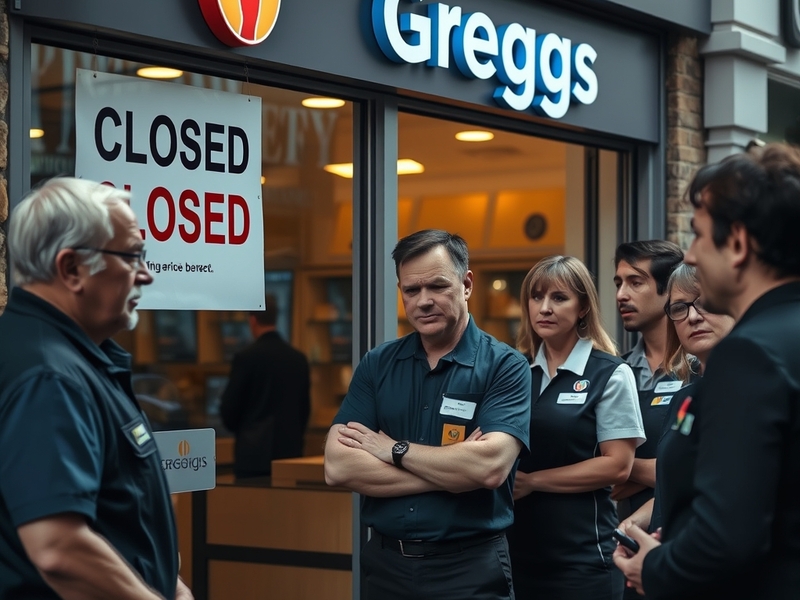
Understanding the Job Losses at Greggs Bakery
Greggs, the popular UK bakery chain, has recently announced a significant number of job losses, raising concerns among employees and customers alike. This decision comes amidst a backdrop of rising costs and changing consumer habits, which have put pressure on the company’s operations. The job losses are expected to impact various roles across the organization, primarily affecting those in retail outlets and manufacturing facilities.
The Reasons Behind the Cuts
Several factors have contributed to Greggs’ decision to reduce its workforce. Primarily, the impact of inflation and increased costs of raw materials have made it challenging for the bakery to maintain profitability. Additionally, changing consumer behaviors, influenced by the ongoing economic climate, have led to decreased foot traffic in stores.
Some of the key reasons for the job losses include:
- Inflation: Rising costs of ingredients and utilities have squeezed margins.
- Shifting Consumer Preferences: A growing trend towards healthier eating has altered purchasing patterns.
- Increased Competition: Other food retailers have stepped up their offerings, intensifying competition.
- Post-Pandemic Recovery: The aftereffects of the pandemic have left many businesses, including Greggs, struggling to regain their pre-pandemic customer base.
Impact on Employees and Communities
The job losses at Greggs will not only affect the individuals directly involved but also have a ripple effect on their communities. Many employees rely on their jobs for financial stability, and losing these positions can lead to increased unemployment rates in areas where Greggs operates. Moreover, local economies that benefit from the presence of these stores may also feel the pinch.
It’s essential to recognize the emotional and psychological toll that job losses can impose. Employees often face uncertainty and stress during such transitions, which can impact their mental health and well-being. Greggs has indicated that it will provide support for affected employees, including potential retraining programs and assistance in finding new employment opportunities.
Looking Ahead: What’s Next for Greggs?
As Greggs navigates this challenging period, it must also consider its long-term strategy. The bakery has previously demonstrated resilience and adaptability, often introducing new products and services to meet evolving consumer demands. Moving forward, it may focus on the following strategies:
- Innovating Product Lines: Introducing healthier options and more diverse menu items could attract a broader customer base.
- Investing in Technology: Enhancing online ordering and delivery services can help capture more sales during off-peak hours.
- Strengthening Brand Loyalty: Implementing loyalty programs and promotions can help retain existing customers while attracting new ones.
- Exploring New Markets: Expanding into untapped regions could open new revenue streams.
Ultimately, Greggs must find a balance between operational efficiency and maintaining a strong connection with its customer base. The bakery’s ability to adapt to current market conditions will be crucial for its survival and growth in the coming years.
In conclusion, while the job losses at Greggs represent a significant challenge for the company and its employees, they also highlight the broader economic pressures facing the retail food industry. As consumers continue to evolve, businesses will need to adapt swiftly to remain relevant and profitable. For more insights on the latest trends in the food industry, visit our Food section.
For further analysis on how businesses are coping with economic challenges, check our Business category.