South Korea’s Support for Ukraine: A New Chapter in Foreign Relations
The ongoing conflict in Ukraine has prompted responses from nations across the globe, and South Korea is no exception. Traditionally known for its cautious foreign policy, South Korea has stepped into the fray, offering support to Ukraine in various ways. This shift marks a significant change in the country’s approach to international conflicts, reflecting its evolving role on the world stage.
Historical Context of South Korea’s Foreign Policy
To understand South Korea’s current stance, it’s essential to consider its historical foreign policy. For decades, South Korea has focused primarily on its relationship with the United States and managing tensions with North Korea. This cautious approach often meant avoiding direct involvement in conflicts outside its immediate sphere of influence.
However, the situation in Ukraine has prompted a reevaluation. The South Korean government has recognized the importance of standing against aggression and supporting democratic nations. This strategic pivot is not just about Ukraine; it signals South Korea’s intent to play a more active role in global governance.
Key Areas of Support for Ukraine
South Korea has extended its support to Ukraine through various means. The following points highlight the key areas of assistance:
- Humanitarian Aid: South Korea has provided significant humanitarian assistance, including medical supplies and food aid, to support the Ukrainian population affected by the conflict.
- Military Support: Though initially hesitant, South Korea has begun to supply military equipment, including ammunition and protective gear, to bolster Ukraine’s defense capabilities.
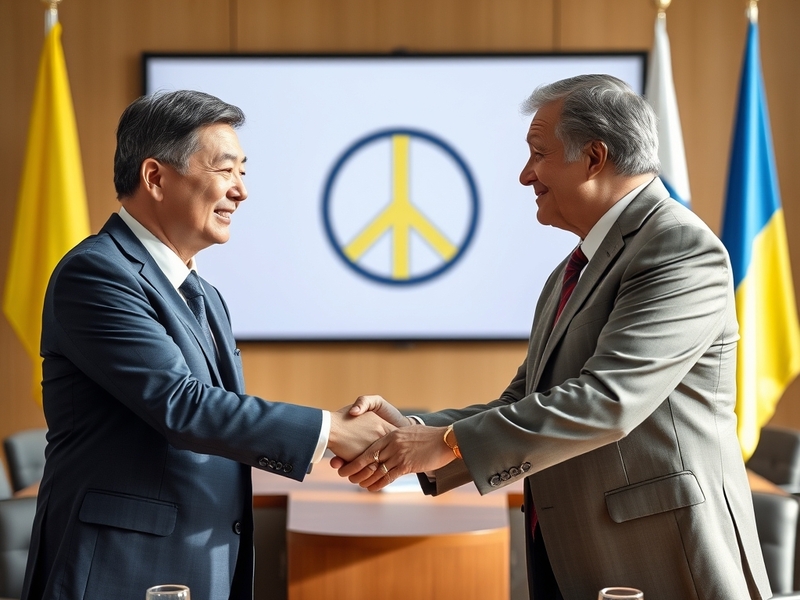
- Diplomatic Solidarity: South Korea has actively participated in international forums condemning the invasion and has joined sanctions against Russia, aligning itself with Western nations.
- Economic Assistance: The South Korean government has also pledged financial support to help Ukraine rebuild its economy post-conflict.
Broader Implications for South Korea and Global Politics
The implications of South Korea’s support for Ukraine extend beyond immediate humanitarian and military assistance. This shift could redefine South Korea’s role in international relations. By taking a stand, South Korea is signaling its commitment to democratic values and international law. This could lead to stronger ties with Western nations and enhance its global standing.
Moreover, this involvement may encourage other nations to adopt a more proactive stance in international conflicts. Countries that have historically remained neutral might reconsider their positions in light of South Korea’s actions. The response to Ukraine could set a precedent for how nations engage in future conflicts, especially those involving territorial integrity and sovereignty.
Conclusion
South Korea’s support for Ukraine represents a significant shift in its foreign policy and highlights its commitment to global democracy and stability. As the situation evolves, it will be crucial to monitor how this involvement affects South Korea’s relationships with both Western allies and neighboring countries in Asia. The geopolitical landscape is changing, and South Korea is positioning itself as a key player in this new reality.