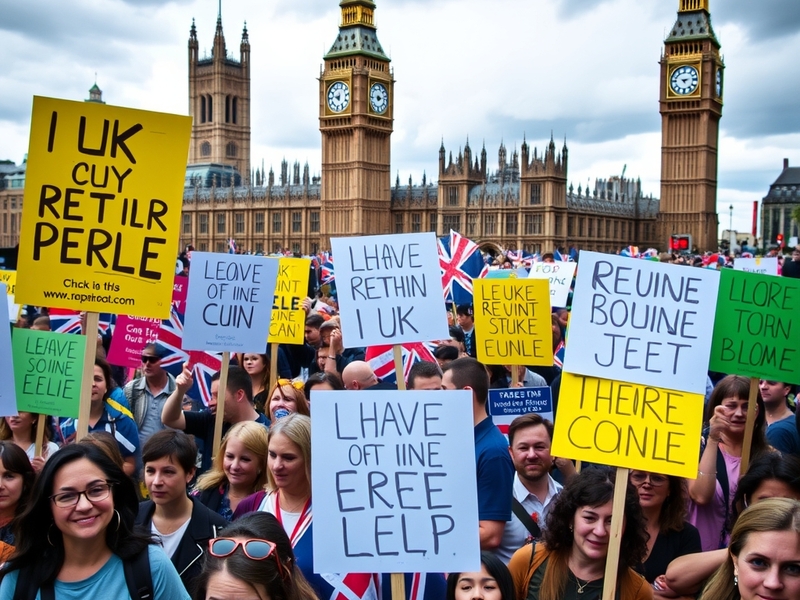
Understanding Public Sentiment on the UK’s EU Rejoining Debate
Opinion polling regarding the United Kingdom’s potential rejoining of the European Union has become a significant topic of discussion. As the ramifications of Brexit continue to unfold, many citizens are reflecting on their previous decisions. Polls reveal a complex landscape of public sentiment, shifting perceptions, and the implications for the future.
Current Polling Trends
Recent surveys indicate a notable shift in public opinion. While the 2016 referendum resulted in a decisive vote to leave the EU, subsequent events have led to a growing number of individuals reconsidering their stance. Various polls show that a substantial portion of the population now favors rejoining the EU or at least seeks closer ties with the bloc.
- According to a recent YouGov poll, 52% of respondents expressed a desire to rejoin the EU.
- A different survey by Ipsos MORI found that 60% of participants believe the UK should have remained in the EU.
- Many younger voters, particularly those under 30, demonstrate a strong preference for rejoining the EU.
These findings suggest that the sentiment towards the EU is evolving. Older generations might still hold onto the ideas that drove the initial Brexit vote, yet younger voters seem increasingly aware of the benefits of EU membership. The discussions surrounding economic stability, immigration, and cultural exchange are central to these renewed opinions.
Factors Influencing Public Opinion
Several factors contribute to the changing views on the UK’s relationship with the EU. Economic challenges, the impact of the COVID-19 pandemic, and political instability have all played a role in shaping public sentiment.
- Economic Realities: The economic challenges post-Brexit have led many to reconsider the benefits of EU membership, particularly in terms of trade and market access.
- Social and Cultural Ties: The UK’s historical and cultural connections to Europe continue to influence public opinion. Many people feel a sense of belonging to a broader European identity.
- Political Climate: The shifting political landscape, including the rise of various parties advocating for rejoining the EU, has also affected public sentiment.
These factors highlight the complexity of the discussion. Public opinion is not static; it evolves based on current events and societal changes. The future of the UK’s relationship with the EU will likely depend on how these factors continue to develop.
The Global Context
The conversation around the UK rejoining the EU is not limited to national borders. Internationally, the implications of Brexit have resonated in various ways. Countries within Europe are observing the situation closely, as they face their own challenges and decisions regarding integration and cooperation.
For instance, the rise of nationalism in several EU countries has sparked debates about the future of the union itself. The UK’s experience serves as a case study for other nations grappling with similar issues. Additionally, the global economic climate has further complicated matters, as countries seek stability and growth in an interconnected world.
As the UK navigates its relationship with the EU, it must consider not only domestic opinions but also international perspectives. The outcome of this debate has the potential to influence other nations contemplating their own relationships with the EU.
Conclusion
The opinion polling on the United Kingdom’s potential rejoining of the European Union reveals a dynamic and evolving landscape. As public sentiment shifts in response to economic realities and cultural connections, the conversation around EU membership will continue to be a critical issue. The future remains uncertain, but the desire for closer ties and a re-evaluation of past decisions suggests that the dialogue is far from over. For those interested in exploring more about the UK’s political landscape, check out our Politics section for updates and analyses.