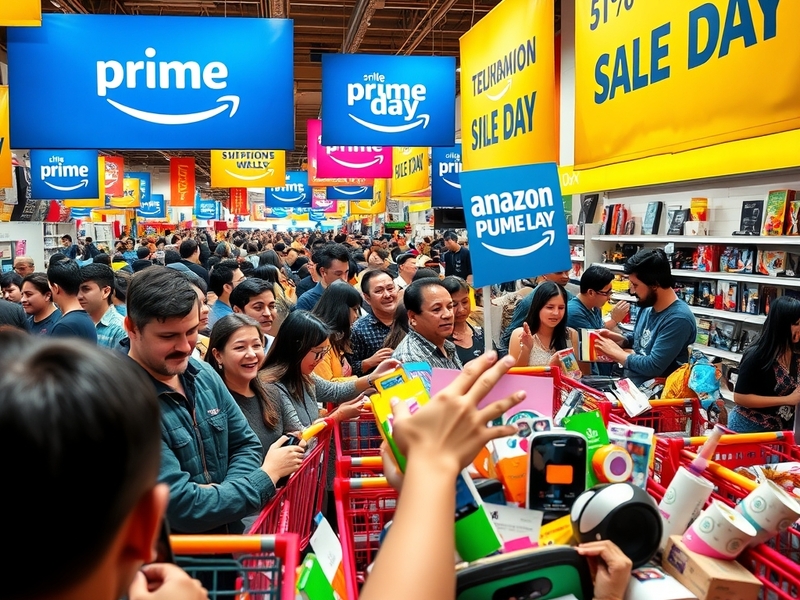
Understanding Prime Day: A Global Shopping Event
Prime Day has evolved into one of the most anticipated shopping events worldwide. Initially launched by Amazon in 2015 to celebrate its 20th anniversary, it has since transformed into a global phenomenon. Retailers and consumers alike have embraced this day, which typically features significant discounts across a wide range of products. As a result, Prime Day has not only reshaped shopping habits but has also influenced broader retail strategies across the globe.
The Global Impact of Prime Day
Prime Day is not just a shopping day; it represents a shift in consumer behavior and retail marketing. While originally exclusive to Amazon Prime members, the event has inspired other retailers to offer competing deals, creating a ripple effect throughout the industry. Major players such as Walmart, Target, and Best Buy have launched their own sales to attract bargain hunters. This competition has led to a more vibrant shopping ecosystem, which enhances the overall consumer experience.
In many countries, the event has been adapted to fit local cultures and shopping habits. For example, in the United Kingdom, Prime Day coincides with the mid-summer sales, while in India, it aligns with the festive season when consumers are already in a buying mood. This cultural adaptation is crucial for maximizing participation and sales.
Strategies for Savvy Shoppers
To make the most of Prime Day, shoppers can adopt several strategies. Here are some tips to navigate the event effectively:
- Plan Ahead: Create a list of items you want to purchase. This helps avoid impulse buying and ensures you focus on essential products.
- Use Price Trackers: Tools like CamelCamelCamel or Honey can help track price histories, allowing you to determine if a deal is genuinely a bargain.
- Set Alerts: Many platforms allow users to set notifications for specific products. This ensures you won’t miss out on deals as they go live.
- Check Competitors: Don’t limit your search to Amazon. Other retailers may have comparable or even better deals on the same items.
By following these strategies, consumers can maximize their savings and make informed purchasing decisions during this shopping extravaganza.
The Future of Prime Day
Looking ahead, Prime Day is likely to continue evolving. With advancements in technology, such as artificial intelligence and data analytics, retailers can personalize shopping experiences more effectively. This could lead to even more targeted promotions, making it easier for consumers to find the deals that matter most to them.
Moreover, as sustainability becomes a growing concern, we may see a shift toward eco-friendly products and practices during Prime Day. Retailers could highlight environmentally conscious choices, appealing to the increasing number of consumers who prioritize sustainability in their purchasing decisions.
As Prime Day continues to expand globally, its influence on shopping trends will be significant. The event not only drives sales but also fosters a sense of community among shoppers who share tips and experiences online. From social media discussions to blog posts, the conversation surrounding Prime Day is likely to grow, making it an even more integral part of the shopping calendar.
In conclusion, Prime Day has transcended its origins as an Amazon-exclusive event, impacting shopping behavior and retail strategies on a global scale. By understanding its implications and preparing effectively, consumers can take full advantage of this exciting day. Whether you are a seasoned shopper or new to the event, the opportunity for savings and discovery is immense.