Historical Context of USA vs Mexico Rivalry
The rivalry between the United States and Mexico is steeped in history, encompassing various aspects from sports to politics. The origins of this competition can be traced back to territorial disputes in the 19th century, particularly the Mexican-American War of 1846-1848. This conflict resulted in significant territorial losses for Mexico and set the stage for a complex relationship characterized by both cooperation and tension.
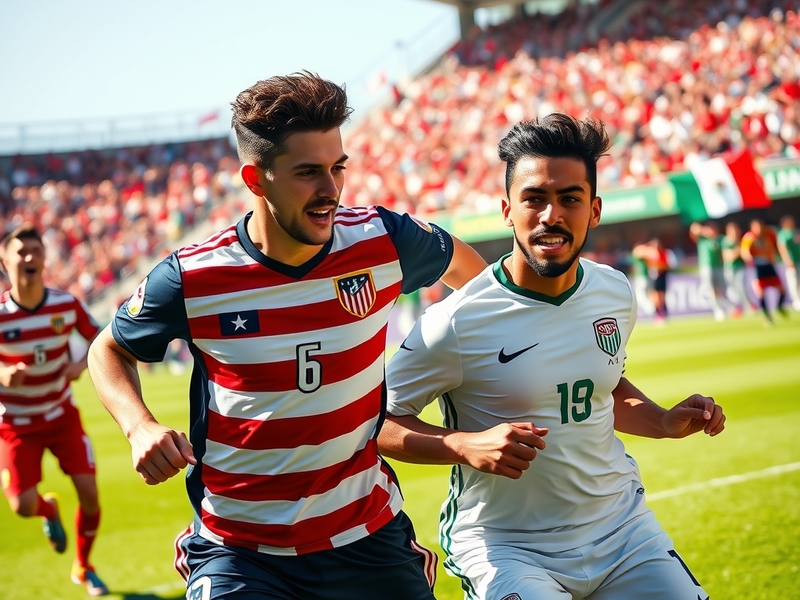
In sports, particularly soccer, the USA vs Mexico matchups have become highly anticipated events. These games not only showcase athletic talent but also reflect national pride and cultural identity. The passion displayed by fans on both sides highlights the emotional stakes involved in these encounters.
Soccer: A Symbol of National Pride
Soccer has emerged as a prominent battleground for the USA and Mexico, particularly in the context of international competitions. Matches between the two nations often draw large audiences and generate intense media coverage. Factors contributing to the significance of these encounters include:
- Rivalry History: The longstanding competition has created a narrative that fans are eager to engage with.
- Player Development: Both countries invest heavily in their youth soccer programs, leading to improved performance on the international stage.
- Cultural Ties: Many players have roots in both nations, adding a personal dimension to the rivalry.
These elements contribute to a unique atmosphere during matches, where the stakes feel elevated. For fans, each game is a chance to assert national superiority, while players are often seen as representatives of their countries.
Broader Implications of the Rivalry
The implications of the USA vs Mexico rivalry extend beyond the soccer field. Politically and economically, the two nations are intertwined. Trade agreements, immigration policies, and security issues all play a role in shaping the relationship. The competitive nature of their interactions can lead to both collaboration and conflict.
For instance, trade agreements like the United States-Mexico-Canada Agreement (USMCA) are vital for both economies. However, nationalistic sentiments can complicate these relationships, as seen in the rhetoric surrounding immigration policies. The rivalry often serves as a backdrop for broader discussions about national identity and cultural values.
Looking Ahead: The Future of USA-Mexico Relations
As both countries move forward, the USA vs Mexico rivalry will likely continue to evolve. Changes in leadership, economic conditions, and social dynamics will influence how these nations interact. There are several key factors to consider:
- Political Climate: Shifting political landscapes can either exacerbate tensions or foster cooperation.
- Economic Interdependence: The two nations rely on each other for trade and labor, creating a complex web of interests.
- Social Movements: Grassroots movements in both countries can impact public perception and policy.
Understanding these dynamics is essential for grasping the future of the USA-Mexico relationship. As both nations navigate their shared challenges, the rivalry may serve as a catalyst for deeper cooperation or heightened conflict, depending on how leaders choose to engage.
In conclusion, the USA vs Mexico rivalry is multifaceted, encompassing historical, cultural, and political dimensions. As both nations continue to confront shared challenges, the outcomes of their interactions will undoubtedly shape the course of their future relations. The vibrant soccer matches serve as a microcosm of this larger narrative, reflecting the complexities and passions that define the relationship between these two neighboring countries.