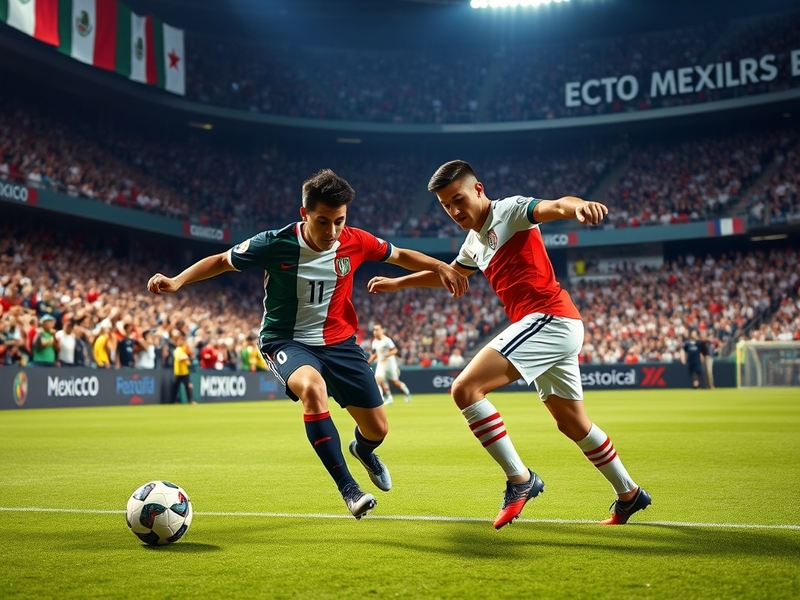
Understanding the Rivalry: Mexico vs Chile
The rivalry between Mexico and Chile extends beyond the realm of sports, encompassing cultural, historical, and political dimensions. Both nations boast rich histories and vibrant cultures, yet they have often found themselves at odds in various arenas, particularly in football. This article explores the multifaceted relationship between Mexico and Chile, examining their historical ties, cultural exchanges, and the competitive spirit that defines their interactions.
Historical Context
Mexico and Chile share a complex historical background, shaped by colonialism, independence movements, and economic development. Both countries achieved independence from Spanish rule in the early 19th century, which laid the foundation for their distinct national identities. However, their paths diverged significantly following independence.
Mexico, with its vast territory and resources, became a focal point for trade and cultural exchanges, while Chile, with its long coastline, developed a unique maritime culture. The struggle for power and influence in Latin America has often placed these two nations in competition, particularly during the 20th century.
Sports Rivalry: A Passionate Encounter
In the realm of sports, particularly football, the rivalry between Mexico and Chile is palpable. Matches between the two teams often evoke intense emotions among fans. The history of their encounters in international tournaments showcases thrilling moments and fierce competition. Here are some key points regarding their football rivalry:
- World Cup Meetings: Mexico and Chile have faced each other in several World Cup tournaments, creating memorable moments for both nations.
- Copa America Competitions: Chile has historically performed well in Copa America, while Mexico has often been invited as a guest team, leading to competitive clashes.
- Fan Culture: The passionate fan bases from both sides contribute to an electrifying atmosphere during matches, with chants and celebrations that reflect national pride.
- Player Exchanges: Players from both countries often play in international leagues, fostering a sense of camaraderie and rivalry simultaneously.
Cultural Exchange and Influence
Beyond sports, Mexico and Chile have engaged in significant cultural exchanges. Music, art, and cuisine are areas where both nations have influenced each other. The popularity of Latin music genres has seen a blend of Mexican mariachi and Chilean folk traditions, enriching the cultural tapestry of both countries.
Culinary influences are also notable, with Mexican cuisine known for its bold flavors and Chilean cuisine celebrated for its seafood and diverse ingredients. Festivals in both countries often showcase these culinary delights, further bridging cultural gaps.
Broader Implications of the Rivalry
The rivalry between Mexico and Chile holds broader implications beyond sports and culture. It reflects the dynamics of power and influence within Latin America. As both nations navigate economic challenges and political changes, their interactions can shape regional alliances and collaborations.
Furthermore, the competition can drive improvements in various sectors, including sports, education, and technology. As both countries strive for excellence, their rivalry can lead to advancements that benefit their populations. The emphasis on national pride can also inspire future generations to pursue excellence in various fields.
In conclusion, the rivalry between Mexico and Chile is a rich tapestry woven through history, culture, and sports. While competition may fuel passion and pride, it also serves as a reminder of the shared experiences and challenges faced by both nations. Understanding this rivalry provides insight into the complexities of Latin American identity and the potential for collaboration in an increasingly interconnected world.