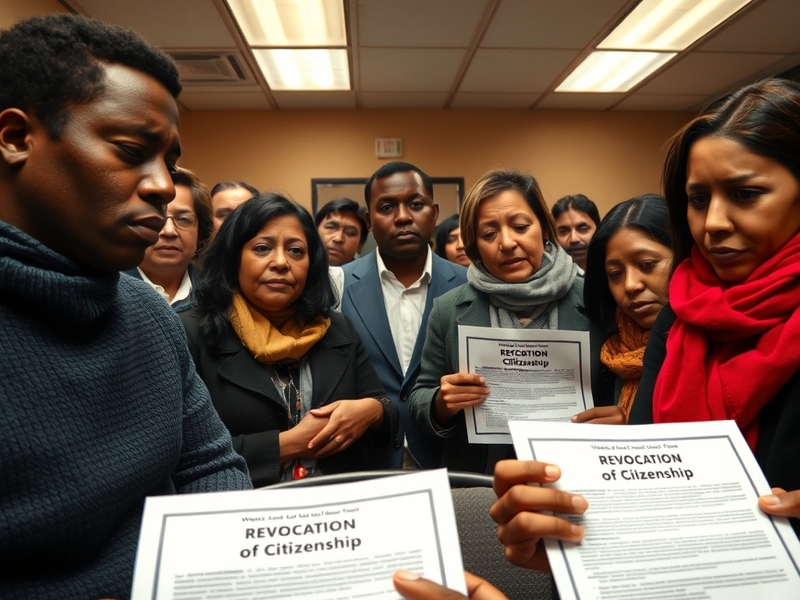
Understanding the Process of Revoking U.S. Citizenship
Revoking U.S. citizenship is a complex legal process that can have significant consequences for individuals. This action, formally known as “denaturalization,” typically occurs under specific circumstances, often involving serious criminal activities or fraudulent behavior during the naturalization process. Understanding the nuances of this process is crucial for both citizens and policymakers.
Reasons for Revocation
There are several grounds on which the U.S. government can revoke citizenship. Some of the most common reasons include:
- Fraud in the Naturalization Process: If an individual is found to have lied or concealed information during their application, their citizenship can be revoked.
- Criminal Activity: Engaging in certain crimes, especially those related to national security, can lead to denaturalization.
- Membership in Subversive Organizations: If a citizen joins groups that advocate for the overthrow of the U.S. government, this can trigger revocation.
- Failure to Renounce Foreign Allegiances: Individuals who do not renounce loyalty to other nations after becoming U.S. citizens may face revocation.
Legal Framework and Implications
The legal framework surrounding citizenship revocation is outlined in the Immigration and Nationality Act (INA). This act provides the government with the authority to initiate proceedings against individuals suspected of having obtained citizenship through fraudulent means or who have engaged in disqualifying conduct. The process typically involves:
- Investigation by immigration authorities.
- Filing of a denaturalization complaint in federal court.
- A legal hearing where the individual can defend their citizenship.
- A final decision by the court, which can be appealed.
Denaturalization proceedings can be lengthy and complex, often involving extensive legal resources. The implications of losing citizenship are profound. Individuals may find themselves stateless, unable to return to the U.S., or facing deportation to their country of origin.
Broader Implications of Revoking Citizenship
The revocation of citizenship raises broader issues related to human rights and the legal treatment of individuals. Denaturalization can disproportionately affect marginalized communities, leading to potential abuses of power. Critics argue that the process can be politicized, targeting individuals based on their ethnicity, religion, or political beliefs. There are also concerns about the potential for wrongful denaturalization, where individuals are stripped of their citizenship without sufficient evidence or due process.
Moreover, the implications extend beyond the individual. A society that allows for the arbitrary revocation of citizenship risks undermining the very principles of justice and equality that it espouses. It can create an environment of fear and mistrust among citizens, particularly those with immigrant backgrounds.
Conclusion
Revoking U.S. citizenship is a serious matter with far-reaching consequences. Understanding the legal grounds, processes, and broader implications is essential for fostering informed discussions about citizenship rights and responsibilities. As debates about immigration and national security continue, it is vital to ensure that the principles of justice and fairness are upheld, protecting the rights of all individuals within the United States.
For more insights on related topics, you can explore our Politics and News sections.