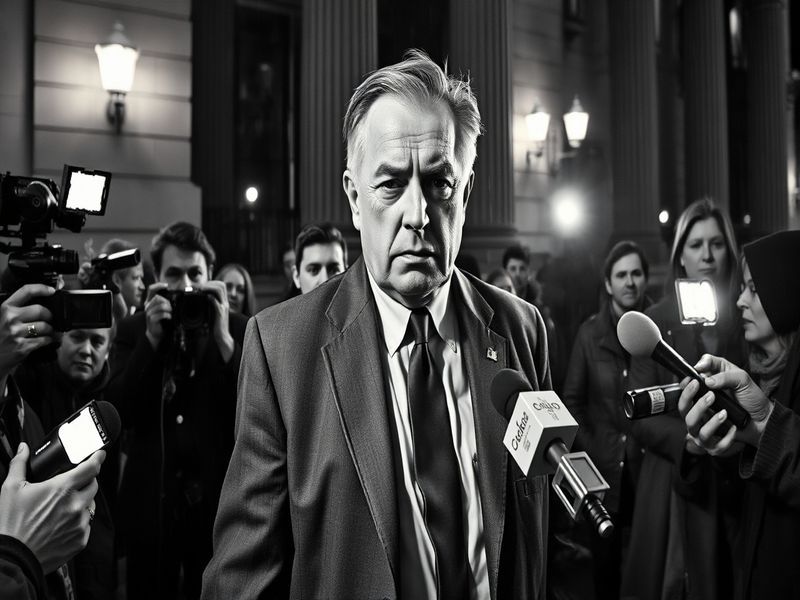
Understanding the Cuts to BBC Radio 4 Programs
Recent announcements regarding cuts to BBC Radio 4 programs have sparked concern among audiences and industry professionals alike. As one of the UK’s most esteemed broadcasting institutions, Radio 4 has long been known for its diverse programming, including news, drama, and documentaries. However, budget constraints and shifting audience preferences have led the BBC to reevaluate its offerings.
The Reasons Behind the Cuts
Several factors contribute to the decision to cut certain programs. First and foremost is the ongoing financial pressure that the BBC faces. With the license fee frozen and competition for audience attention growing, the corporation has had to make difficult choices about where to allocate resources.
Key reasons for the cuts include:
- Budget Constraints: The BBC’s funding model is under scrutiny, leading to reduced budgets across various departments.
- Changing Audience Habits: With the rise of digital media, traditional radio listenership has declined, prompting a shift in focus.
- Demand for Innovation: The BBC is under pressure to innovate and diversify its programming to attract younger audiences.
Implications for Listeners and Creators
The implications of these cuts are far-reaching. For listeners, the potential loss of beloved programs can lead to dissatisfaction and a sense of alienation from the service they once enjoyed. For creators, the cuts represent a loss of opportunities and platforms to showcase their work. The BBC has always prided itself on nurturing talent; however, the current climate raises concerns about whether this will continue.
Moreover, the cuts could lead to a homogenization of content. As the BBC focuses on fewer programs, there is a risk that the diversity and richness that Radio 4 is known for may diminish. This could ultimately impact the quality of programming, as fewer voices and perspectives are represented.
Context and Broader Trends in Broadcasting
These cuts are not isolated to BBC Radio 4. The broader broadcasting landscape is experiencing similar challenges. Commercial radio stations, streaming services, and podcasts are reshaping how audiences consume audio content. This shift has resulted in a more competitive environment, where traditional broadcasters must adapt swiftly or risk losing relevance.
Key trends influencing the broadcasting sector include:
- Digital Transformation: The rise of on-demand audio has changed listener expectations, leading to a decline in live radio.
- Increased Competition: Platforms like Spotify and Apple Podcasts offer extensive libraries that draw listeners away from traditional radio.
- Focus on Data-Driven Programming: Many broadcasters are leveraging analytics to tailor content to audience preferences, sometimes at the expense of creative diversity.
Looking Ahead: The Future of BBC Radio 4
As BBC Radio 4 navigates these cuts, the future remains uncertain. There is a pressing need for the organization to strike a balance between financial viability and its commitment to providing high-quality, varied programming. Engaging with audiences to understand their needs and preferences will be crucial in this endeavor.
Ultimately, the decisions made today will shape the future of BBC Radio 4. The hope is that the broadcaster can adapt without losing its essence, ensuring that it continues to be a platform for enlightening and entertaining content. As listeners, it is essential to advocate for a diverse range of programming that reflects the complexity of society.