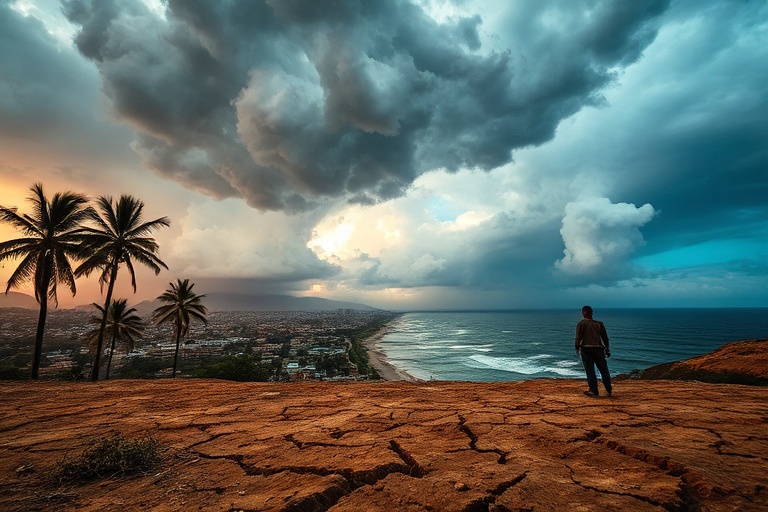
Understanding Huracán Isaias: A Brief Overview
Huracán Isaias formed in late July 2020, quickly escalating into a significant weather event that impacted several Caribbean nations and the eastern United States. The storm was characterized by strong winds and heavy rainfall, leading to widespread damage and prompting emergency responses across affected regions. While Isaias dissipated relatively quickly, its effects lingered long after the storm passed, illustrating the persistent challenges posed by such natural disasters.
The Path and Impact of Huracán Isaias
Isaias originated as a tropical storm in the Atlantic Ocean. It moved northward, making landfall in the Bahamas before impacting the southeastern coast of the United States. The storm brought with it powerful winds, heavy rains, and significant storm surges. The aftermath included flooding, power outages, and damage to infrastructure.
Key impacts of Huracán Isaias included:
- Widespread power outages affecting millions of residents.
- Severe flooding in coastal areas, particularly in North Carolina.
- Disruption of transportation and emergency services.
- Damage to homes and businesses, necessitating extensive recovery efforts.
Broader Implications of Huracán Isaias
The implications of Huracán Isaias extend beyond immediate physical damage. The storm highlighted the vulnerabilities of communities to extreme weather events, especially amid ongoing climate change. As storms become more intense and frequent, the need for robust disaster preparedness and response strategies becomes increasingly critical.
Moreover, Isaias served as a reminder of the interconnectedness of global weather patterns. The storm’s trajectory and impact were influenced by larger climatic conditions, including ocean temperatures and atmospheric pressure systems. This interconnectedness necessitates a collaborative approach to disaster management and climate adaptation strategies.
Lessons Learned and Future Preparedness
In the wake of Huracán Isaias, several lessons can be drawn to better prepare for future storms. These include:
- Improved forecasting and communication: Enhancing the accuracy of weather forecasting can lead to better preparedness among communities.
- Infrastructure resilience: Investing in stronger infrastructure can mitigate damage and reduce recovery time.
- Community engagement: Educating communities on emergency response plans can save lives and property.
- Collaboration across sectors: Government agencies, nonprofits, and businesses must work together for effective disaster response.
By reflecting on the experiences from Isaias, communities can implement strategies that not only address immediate needs but also foster long-term resilience against future storms.
Conclusion
Huracán Isaias was a powerful reminder of the potential devastation caused by hurricanes. As climate change continues to influence weather patterns, the lessons learned from Isaias can guide future preparedness efforts. By focusing on resilience, communities can better withstand the impacts of such storms, ensuring safety and recovery for all residents.