Understanding the Draconids Meteor Shower
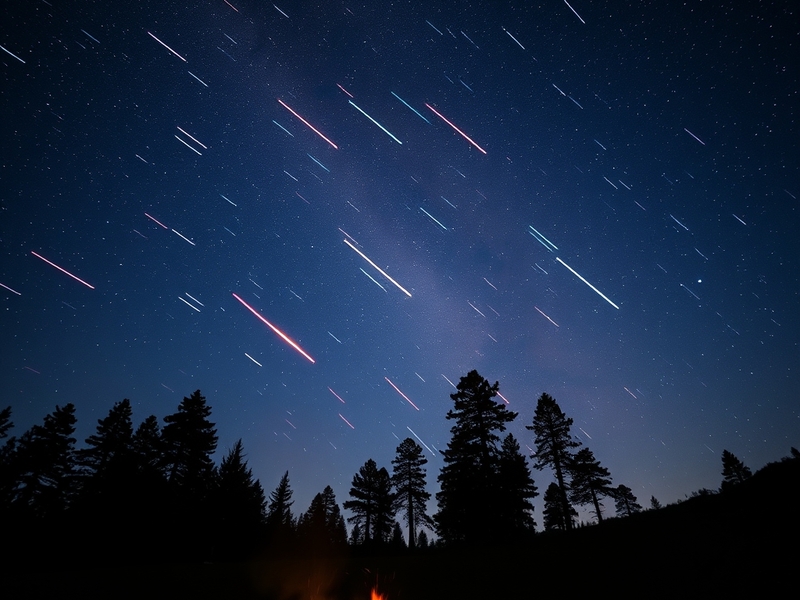
The Draconids meteor shower is an annual celestial event that captivates stargazers around the globe. Typically occurring in early October, this meteor shower is known for its unpredictable behavior. Unlike many meteor showers that peak with a consistent number of meteors, the Draconids can vary significantly from year to year. Some years produce only a handful of visible meteors, while others can display hundreds in a single hour.
Origins and Characteristics
The Draconids are associated with the comet Giacobini-Zinner, which orbits the Sun every 6.6 years. As Earth passes through the debris left behind by this comet, we witness the stunning light show of meteors streaking across the night sky. The meteors appear to originate from the constellation Draco, which is why the shower is named after it.
One of the unique features of the Draconids is their timing. Unlike most meteor showers that are best viewed in the early morning hours, the Draconids are more active in the evening. This makes them particularly accessible for families and casual observers who may find it challenging to stay up late into the night.
Viewing the Draconids
To make the most of your Draconids viewing experience, consider the following tips:
- Location: Choose a dark area away from city lights. Light pollution can significantly diminish the visibility of meteors.
- Timing: Peak activity typically occurs between October 8 and 10. Check local astronomical forecasts for the best viewing times.
- Comfort: Bring a blanket or reclining chair to lie back and enjoy the show. Warm clothing is also advisable, as October nights can be chilly.
- Patience: Meteors can appear sporadically. Allow your eyes time to adjust to the darkness and remain patient.
Cultural Significance
Throughout history, meteor showers have held significant cultural importance. Many ancient civilizations saw meteors as omens or messages from the gods. For instance, in ancient China, meteors were often interpreted as a sign of impending change or significant events. Similarly, in various indigenous cultures, meteor showers were woven into their myths and stories, reflecting humanity’s fascination with the cosmos.
In modern times, the Draconids have inspired numerous artistic expressions. Poetry, music, and visual arts often draw upon the beauty and mystery of meteor showers. The fleeting nature of meteors serves as a powerful metaphor for the transient aspects of life, prompting reflections on time and existence.
Conclusion
The Draconids meteor shower presents a unique opportunity for both seasoned astronomers and casual observers to connect with the universe. As we gather to witness this celestial phenomenon, we not only appreciate the beauty of the night sky but also engage with the rich tapestry of human culture and history that surrounds such events. Whether you’re viewing the Draconids for the first time or have made it a yearly tradition, the experience is sure to be memorable. For those interested in other astronomical events, check out our Science section for more information.