Introduction to the Rivalry
The sporting rivalry between Mexico and Jamaica has developed over decades, particularly in soccer. Both nations have rich sporting histories and passionate fan bases. This rivalry is not just limited to the pitch; it extends into cultural expressions, national pride, and international relations. The clashes between these two teams showcase contrasting styles and strategies, reflecting their unique cultural backgrounds.
Historical Context
Mexico and Jamaica have faced each other numerous times in various tournaments, including the CONCACAF Gold Cup and World Cup qualifiers. The first recorded match took place in 1962. Since then, both teams have had their share of victories and defeats, creating a narrative steeped in competition and rivalry.
Mexico has traditionally been the stronger side, boasting a more robust soccer infrastructure and a history of success in international competitions. Jamaica, on the other hand, has made significant strides, especially since qualifying for the 1998 World Cup. This achievement marked a turning point for Jamaican soccer, inspiring a new generation of players and fans.
Playing Styles and Strategies
The playing style of each team reflects their cultural identities. Mexico is known for its technical skill, fluid passing, and tactical discipline. Players like Hirving Lozano and Raul Jimenez exemplify this approach, often focusing on ball control and quick transitions. In contrast, Jamaica’s style is characterized by speed and athleticism. The Reggae Boyz often rely on powerful wing play and counter-attacks, utilizing the pace of players such as Leon Bailey and Shamar Nicholson.
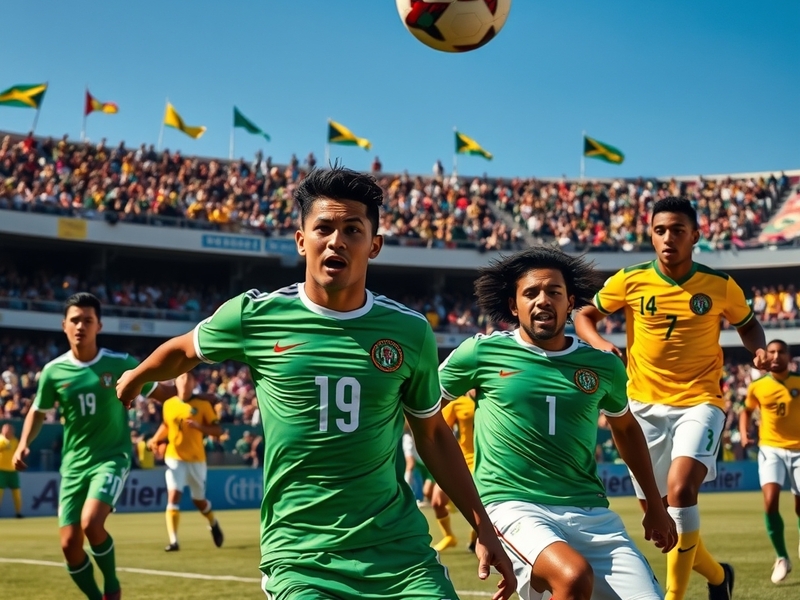
In their encounters, these contrasting styles create a visually captivating spectacle. Fans witness a blend of intricate footwork and explosive speed, making every match an exciting event. The tactical battles between the coaches also add layers of intrigue, with each team attempting to outsmart the other.
Cultural Significance of the Matches
Soccer matches between Mexico and Jamaica are more than just games; they are cultural events that bring communities together. For Mexicans, soccer is a source of national pride and identity. The sport represents unity, with fans rallying behind their team as a symbol of their heritage. In Jamaica, soccer is equally important, serving as a platform for expressing national culture and pride. The vibrant atmosphere during matches, often infused with reggae music, showcases the rich cultural tapestry of the island.
These matches also have broader implications. They foster camaraderie among fans from both nations, as they celebrate their love for the game despite the rivalry. Events surrounding the matches often include cultural exchanges, showcasing food, music, and art from both countries.
Future Outlook
As both nations continue to develop their soccer programs, the future of this rivalry looks promising. With Mexico consistently performing well on the international stage and Jamaica continuing to build on its successes, fans can anticipate more thrilling encounters. The emergence of new talent in both countries suggests that the intensity of this rivalry will only grow.
Moreover, the increasing globalization of soccer means that these matches will attract greater attention worldwide. Fans from various countries are beginning to take notice of the unique dynamic between Mexico and Jamaica, further elevating the significance of their encounters.
- Key Players to Watch:
- Hirving Lozano (Mexico)
- Raul Jimenez (Mexico)
- Leon Bailey (Jamaica)
- Shamar Nicholson (Jamaica)
- Upcoming Matches:
- Gold Cup Qualifiers
- Friendly Matches
In conclusion, the rivalry between Mexico and Jamaica is a multifaceted spectacle that transcends the soccer field. It embodies cultural pride, historical significance, and the spirit of competition. As both nations continue to evolve in the world of soccer, fans can look forward to more thrilling matches that celebrate their rich heritages and passionate love for the game. For more insights into the world of sports, visit our Sports section.