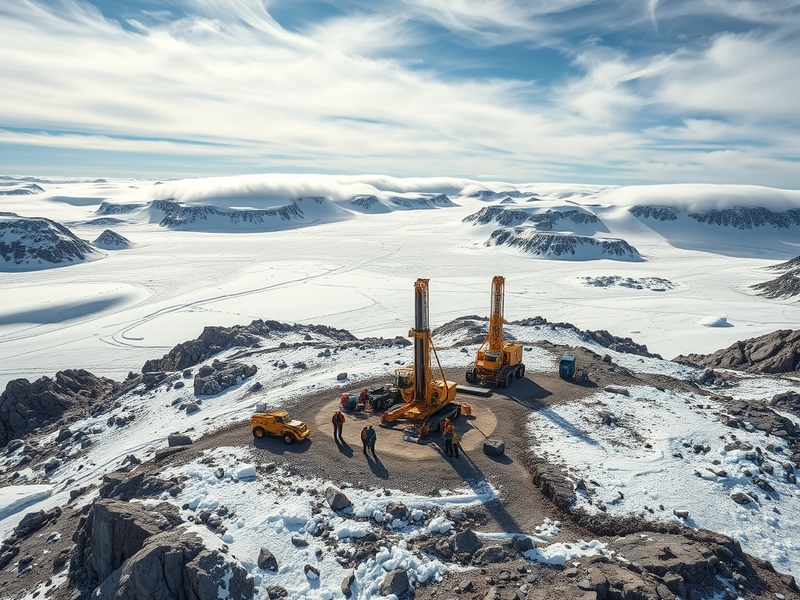
Overview of US Gas Exploration in Greenland
Greenland, the world’s largest island, has become a focal point for energy exploration in recent years. With its vast natural resources, particularly in oil and natural gas, the region has drawn interest from various nations, especially the United States. The pursuit of these resources has raised important discussions about environmental impacts, indigenous rights, and geopolitical strategies.
The Geopolitical Landscape
The Arctic region, including Greenland, is undergoing significant changes due to climate change, which has made previously inaccessible areas more reachable. As ice melts, opportunities for exploration and extraction have arisen. The U.S. has shown a keen interest in establishing a foothold in this strategically important area. This interest is not solely driven by energy needs but also by a desire to counterbalance the influence of other nations, such as Russia and China, which are also eyeing the Arctic’s resources.
Greenland’s political status as an autonomous territory of Denmark complicates matters. The U.S. has historically maintained a military presence in Greenland, but the current exploration efforts require diplomatic engagement with both the Danish government and the Greenlandic authorities. As these discussions unfold, the implications for international relations and energy policy will be significant.
Environmental Concerns
While the allure of natural gas exploration is strong, the environmental implications cannot be overlooked. The Arctic ecosystem is fragile, and any extraction activities pose risks to wildlife and local communities. The potential for oil spills, habitat destruction, and increased carbon emissions raises alarms among environmentalists and indigenous groups alike.
- Oil spills could devastate marine life and local fisheries.
- Increased shipping traffic may disrupt migratory patterns of animals.
- Extraction activities could lead to irreversible changes in the landscape.
Indigenous communities in Greenland have expressed their concerns about how gas exploration might affect their way of life. Traditional hunting and fishing practices could be threatened, leading to cultural and economic repercussions. Thus, any exploration efforts must prioritize sustainable practices and respect for local rights.
Economic Implications
The potential economic benefits of gas exploration in Greenland are substantial. With global energy demand rising, tapping into Greenland’s natural resources could offer financial dividends for both the U.S. and the island’s local government. Greenland’s economy, which relies heavily on fishing and tourism, could diversify and gain stability through energy revenues.
However, the economic feasibility of gas extraction is still under scrutiny. High operational costs, coupled with fluctuating global oil prices, may deter investment. Additionally, the potential for international sanctions or backlash against environmental degradation could further complicate the financial landscape.
- Investment in infrastructure is essential for exploration.
- Collaboration with local industries can enhance economic outcomes.
- Long-term planning is necessary to ensure sustainable development.
Conclusion
The exploration of natural gas in Greenland presents a complex array of opportunities and challenges. As the U.S. navigates its interests in this resource-rich region, it must balance economic ambitions with environmental stewardship and respect for indigenous rights. The future of energy exploration in Greenland will likely serve as a litmus test for how nations prioritize sustainability in the face of growing energy demands. The decisions made today will shape not only Greenland’s future but also the broader narrative of energy policy in the Arctic.
For those interested in the intersection of energy and culture, you can explore more about related topics in our Science and Business sections.