Understanding Whalefall: Nature’s Underwater Feast
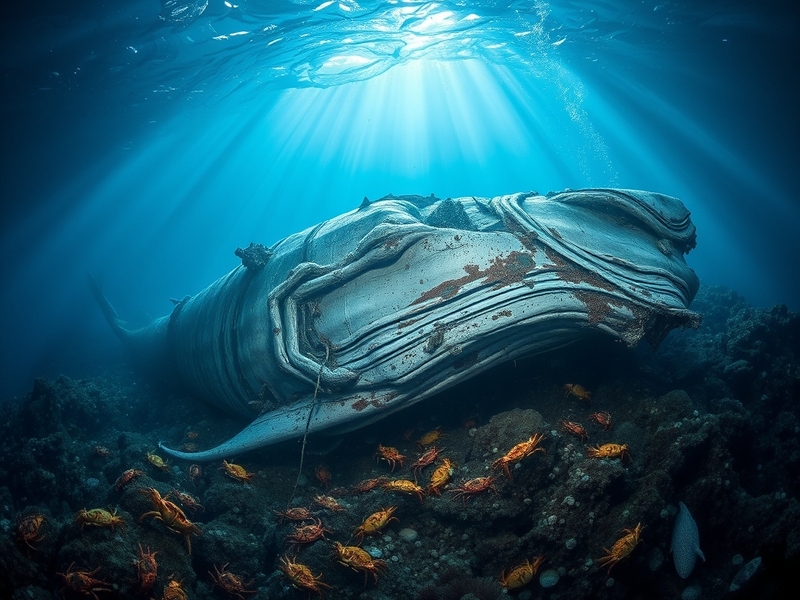
Whalefall refers to the phenomenon that occurs when a whale dies and its massive carcass settles on the ocean floor. This event creates a unique and rich ecosystem that supports a diverse array of marine life. The process of decomposition can sustain various organisms for years, making whalefalls crucial to deep-sea ecology.
When a whale dies, its body becomes a source of nutrients for scavengers and decomposers. The initial stage attracts a variety of species, including sharks, crabs, and fish, eager to feed on the soft tissues. As time progresses, bacteria and smaller organisms break down the bones, creating a habitat for many other species. This cycle illustrates the interconnectedness of marine life and the importance of each species within the ecosystem.
The Stages of Decomposition
The decomposition of a whale carcass can be divided into several stages, each attracting different organisms:
- Scavenger Stage: This initial phase lasts for a few months, where large scavengers like sharks and rays consume the soft tissues.
- Colonization Stage: After the flesh is mostly gone, smaller scavengers, such as crustaceans, begin to colonize the bones.
- Bone Erosion Stage: Over time, bacteria and specialized species like osedax worms break down the bones, which can take years.
- Habitat Formation: The remaining structure becomes a habitat for various organisms, helping sustain life in the deep sea.
This multi-stage process highlights the adaptability of marine ecosystems to utilize available resources efficiently. Each phase is critical for maintaining biodiversity in the ocean depths.
The Ecological Importance of Whalefalls
Whalefalls play a significant role in nutrient cycling in the ocean. When a whale dies, it provides a sudden influx of organic material that can support entire communities of organisms. This process is particularly vital in deep-sea environments where food sources are scarce. The nutrients released from the whale’s body can enhance the productivity of surrounding areas, allowing for a rich diversity of life.
Additionally, whalefalls contribute to the study of marine biology and ecology. Researchers can observe how various species interact with one another and adapt to the unique conditions created by the carcass. This understanding can lead to insights into broader ecological principles and the health of marine ecosystems.
Threats and Conservation Efforts
Despite their ecological significance, whalefalls face threats primarily due to human activities. The decline of whale populations due to hunting, ship strikes, and environmental changes can lead to fewer whalefalls. Such declines impact the food web and the diversity of life in the deep sea.
Conservation efforts are crucial to protect whale populations and their habitats. Initiatives include:
- Implementing strict regulations on whaling.
- Protecting marine areas critical for whale migration and breeding.
- Raising awareness about the importance of whales in ocean ecosystems.
By safeguarding these majestic creatures, we ensure the continuation of the whalefall phenomenon and the myriad of life it supports.
Conclusion
Whalefall is a remarkable natural occurrence that underscores the complexity and interdependence of marine ecosystems. As a critical source of nutrients, it supports diverse communities of organisms and plays a vital role in the health of ocean environments. Understanding and protecting whales is essential not only for their survival but also for maintaining the intricate web of life they help sustain. For more insights into marine ecosystems and conservation efforts, visit our Science and Environment sections.