Understanding the Importance of Remaining Calm
Remaining calm in stressful situations is a skill that can significantly impact both personal and professional lives. In moments of crisis or high tension, the ability to maintain composure can lead to better decision-making and problem-solving. This article explores the various aspects of staying calm, its implications, and practical strategies for achieving this state of mind.
Why Staying Calm Matters
In various contexts, remaining calm can be a game-changer. Whether in the workplace, during a public speaking event, or in personal relationships, the benefits of a composed demeanor are evident. Here are some key reasons why maintaining calm is crucial:
- Improved Decision-Making: When calm, individuals are more likely to think clearly and make rational decisions rather than impulsive ones.
- Better Communication: A calm demeanor can facilitate effective communication, helping to diffuse tensions and misunderstandings.
- Increased Resilience: Remaining calm allows individuals to navigate challenges more effectively, fostering a sense of resilience in the face of adversity.
- Enhanced Relationships: Calmness can contribute to healthier interactions, as it encourages patience and empathy.
Practical Strategies for Staying Calm
Achieving a state of calm may not come naturally to everyone, but there are several techniques that can help. Here are some effective strategies:
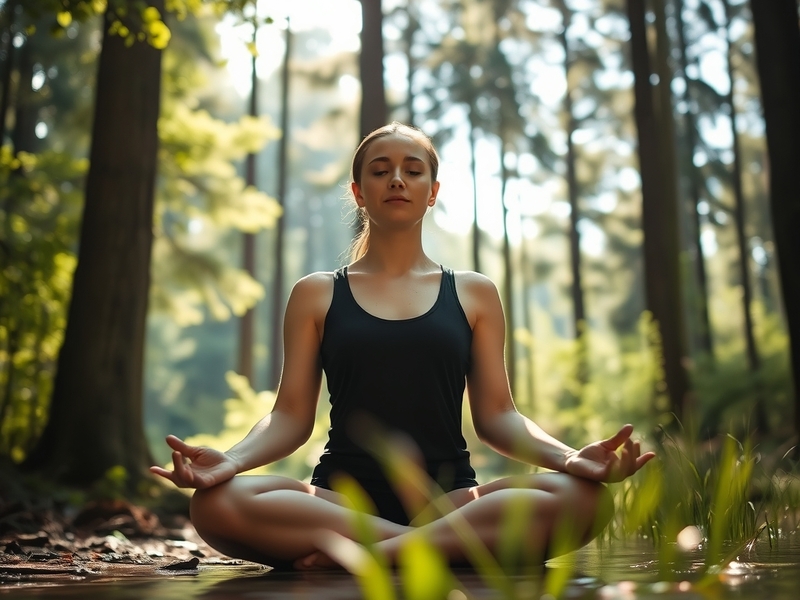
- Mindfulness and Meditation: Practicing mindfulness can help center your thoughts and emotions. Simple meditation exercises can be beneficial in cultivating a calm mindset.
- Controlled Breathing: Deep breathing techniques can quickly reduce anxiety and promote relaxation. Inhale deeply through the nose, hold for a few seconds, and exhale slowly through the mouth.
- Physical Activity: Engaging in regular physical exercise can be an excellent outlet for stress. Activities like yoga or even a brisk walk can help clear the mind.
- Positive Self-Talk: Replacing negative thoughts with positive affirmations can reinforce a calm mindset. Remind yourself that you have the ability to handle whatever challenges arise.
- Preparation and Planning: Being well-prepared for potential stressors can alleviate anxiety. Anticipating challenges and planning responses can foster a sense of control.
Broader Implications of Remaining Calm
The ability to remain calm extends beyond personal benefits. In professional environments, leaders who exemplify calmness can inspire confidence in their teams. This not only improves team morale but also enhances productivity. In high-stakes situations, such as emergency response or negotiations, a calm presence can even save lives or lead to favorable outcomes.
Moreover, in today’s fast-paced society, where stress is prevalent, promoting calmness can have a ripple effect. Communities that encourage practices aimed at reducing stress can foster environments of support and resilience. Schools, workplaces, and families can all benefit from integrating calmness into their cultures.
Conclusion
Remaining calm is a vital skill that can lead to numerous positive outcomes in various aspects of life. By employing practical strategies and understanding its broader implications, individuals can cultivate this essential trait. Ultimately, the ability to stay calm not only benefits oneself but also positively influences those around us.
To further explore techniques for stress management and personal growth, you can visit our Health and Education categories.