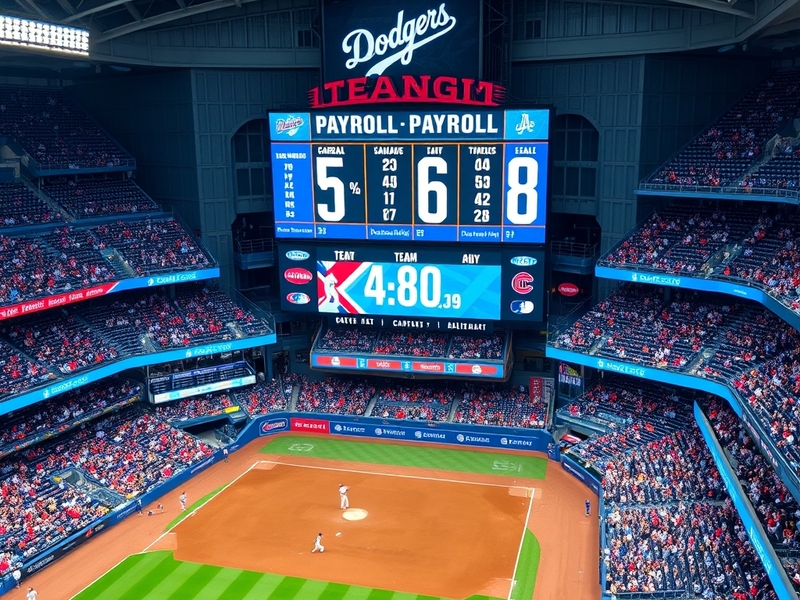
Understanding the Dodgers’ Payroll Structure
The Los Angeles Dodgers have long been a dominant force in Major League Baseball (MLB), and a significant aspect of their success is their payroll strategy. As one of the wealthiest franchises in sports, the Dodgers’ financial decisions play a crucial role in their ability to attract top talent and maintain competitive performance. This article examines the intricacies of the Dodgers’ payroll, discussing how it reflects broader trends within the league and the implications for their future.
Current Payroll Overview
As of the 2023 season, the Dodgers’ payroll stands among the highest in MLB. Estimates place their total payroll at approximately $250 million, a figure that underscores their commitment to winning. This hefty investment is not just about acquiring superstar players; it also includes long-term contracts for key talent and strategic signings that bolster their roster depth.
Key components of the Dodgers’ payroll include:
- Player salaries: The bulk of the budget is allocated to player contracts.
- Incentives and bonuses: Performance-based pay can significantly increase overall spending.
- Minor league expenditures: Investments in player development are essential for sustained success.
Historical Context and Trends
The Dodgers’ payroll has evolved significantly over the years. Historically, the team’s financial strategy has adapted to the changing landscape of MLB economics. In the early 2000s, the payroll was relatively modest, but with the advent of lucrative broadcasting deals and increased revenue sharing, the franchise began to invest heavily in talent.
This trend reflects a broader movement within Major League Baseball, where teams are increasingly willing to spend to secure competitive advantages. The rise of analytics has also played a role, as teams use data to assess player value and performance, often leading to higher salaries for top performers.
Implications of High Payrolls
The implications of maintaining a high payroll extend beyond just on-field performance. For the Dodgers, a large payroll can lead to several outcomes:
- Competitive Edge: A significant financial commitment allows the Dodgers to attract and retain elite players, enhancing their chances of success.
- Market Influence: High payrolls can affect the entire league, as they set benchmarks for player salaries and influence contract negotiations across various teams.
- Fan Expectations: With substantial investment comes heightened expectations from fans, creating pressure to perform and deliver championships.
However, there are risks involved. A high payroll can lead to financial strain if the team fails to perform, and it may limit flexibility in future seasons. The balance between investing in current talent and ensuring long-term sustainability is a delicate one.
Looking Ahead: The Future of Dodgers Payroll
As the Dodgers continue to navigate the complexities of player contracts and market dynamics, their payroll strategy will be crucial. The front office must consider not only immediate needs but also the long-term health of the franchise. Future decisions may include:
- Assessing the performance of high-cost players and determining if their salaries are justified.
- Exploring opportunities for cost-effective signings that complement the existing roster.
- Investing in player development to ensure a steady pipeline of talent without overspending.
The Dodgers’ approach to payroll will undoubtedly influence their competitive standing in the years to come, and fans will be watching closely as decisions are made. Additionally, how the team adapts to any potential changes in league salary structures or revenue sharing will play a vital role in their financial strategy moving forward.
In conclusion, the Los Angeles Dodgers’ payroll is a reflection of both their ambition and the broader trends within Major League Baseball. By understanding their financial commitments and the implications of those decisions, we gain insight into the complexities of running a successful sports franchise. For more insights into sports finances and team strategies, visit our Sports section.