The Importance of Sibling Relationships
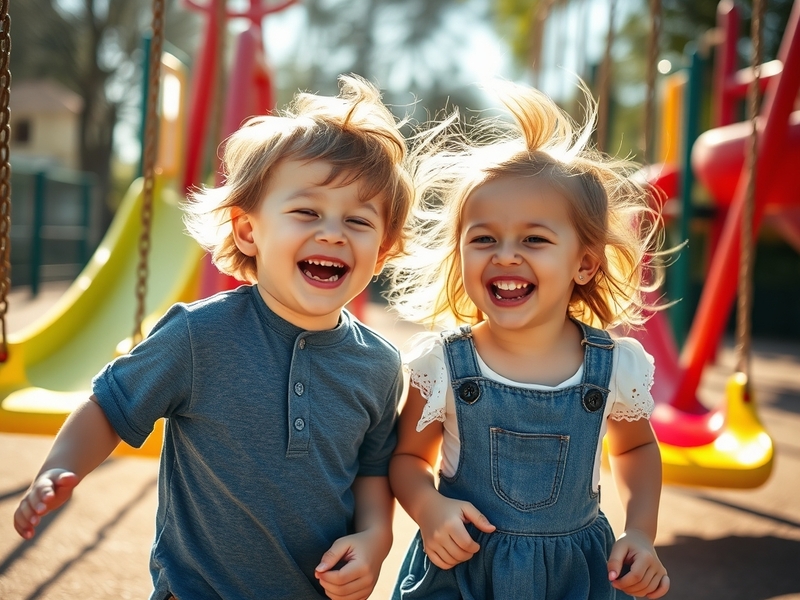
Siblings play a crucial role in our lives, often shaping our personalities and experiences from a young age. These relationships can be a source of support, rivalry, and lifelong friendship. Across different cultures, the significance of siblings varies, but the underlying bond remains a universal theme. This article explores the multifaceted nature of sibling relationships, their impact on personal development, and their role in various societies.
Cultural Perspectives on Sibling Dynamics
In many cultures, siblings are considered integral to familial structure. For instance, in collectivist societies, such as those found in Asia and Africa, sibling relationships are often emphasized as part of a broader family unit. Here, siblings may share responsibilities and support each other in ways that reflect cultural values of loyalty and obligation.
Conversely, in individualistic cultures, like those in North America and Western Europe, siblings may experience a different dynamic. In these societies, personal achievement and independence are often prioritized, which can lead to a more competitive relationship among siblings. However, regardless of cultural context, the bond between siblings can significantly influence emotional well-being and social development.
The Role of Siblings in Personal Development
Research shows that sibling relationships can have a profound impact on personal growth. Here are some key areas where siblings contribute to development:
- Social Skills: Growing up with siblings provides opportunities to develop crucial social skills such as sharing, empathy, and conflict resolution.
- Identity Formation: Siblings often help shape each other’s identities. They can serve as mirrors, reflecting traits and behaviors that influence self-perception.
- Emotional Support: Siblings can be a source of comfort and understanding, often being the first to recognize and respond to each other’s emotional needs.
- Conflict Resolution: Navigating sibling rivalry teaches important lessons about negotiation and compromise, skills that are valuable throughout life.
Challenges and Conflicts Among Siblings
While sibling relationships can be fulfilling, they are not without challenges. Rivalries can emerge, often fueled by competition for parental attention or differing personalities. These conflicts can lead to long-lasting tensions if not addressed properly. Understanding the root causes of sibling conflict is essential for fostering healthier relationships.
Some common sources of sibling conflict include:
- Parental Favoritism: Perceptions of unequal treatment can lead to resentment between siblings.
- Differences in Personality: Clashing personalities may result in misunderstandings and disagreements.
- Resource Competition: Limited resources, such as time, attention, or material possessions, can intensify rivalry.
Addressing these issues requires open communication and a willingness to understand each other’s perspectives. Families can benefit from setting clear expectations and fostering an environment where all siblings feel valued.
Conclusion
Sibling relationships are complex and multifaceted. They can enrich our lives in countless ways, providing support and companionship while also presenting challenges that require careful navigation. Understanding the cultural and personal dynamics at play can help individuals appreciate the unique bond they share with their siblings. Embracing these relationships can lead to stronger family ties and a deeper sense of belonging, making siblings an essential part of our life journey.