Understanding Weather Patterns in Washington D.C.
Washington D.C. experiences a diverse range of weather conditions throughout the year. The city’s climate is characterized by four distinct seasons, each offering a unique set of weather patterns. From the hot summers to the cold winters, understanding the weather in D.C. is crucial for both residents and visitors alike.
Seasonal Weather Overview
Each season in D.C. brings its own set of weather challenges and delights. Here’s a brief overview:
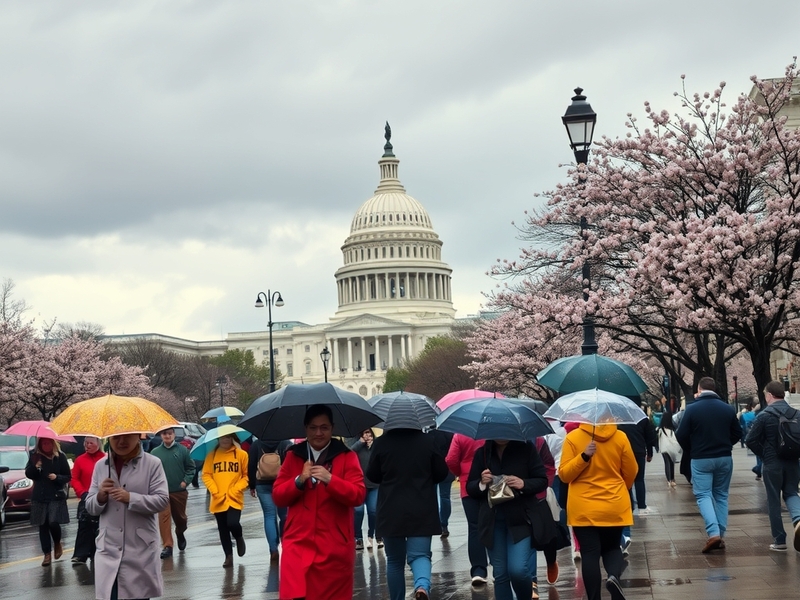
- Spring (March – May): Known for mild temperatures and blooming cherry blossoms, spring can be unpredictable. Rain showers are common, but sunny days are frequent as well.
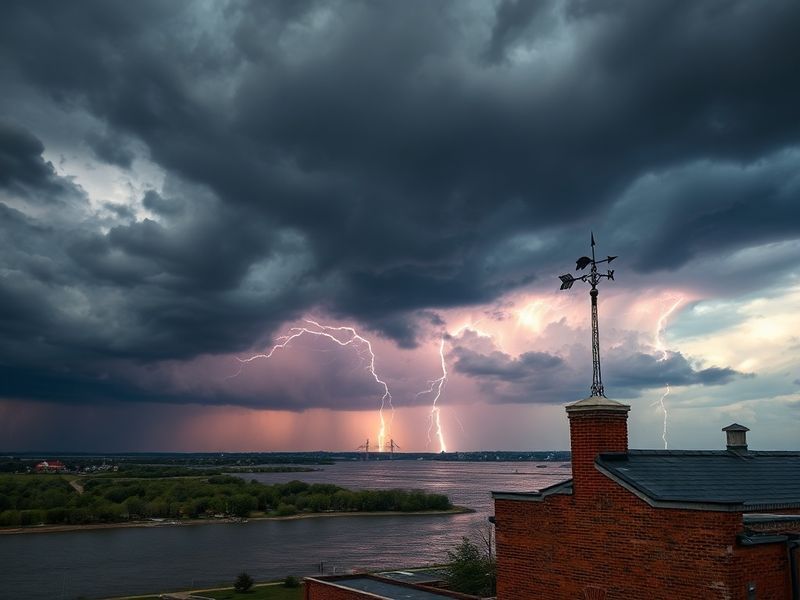
- Summer (June – August): Summer months can be hot and humid, with temperatures often exceeding 90°F. Thunderstorms are also typical, providing brief but intense rainfall.
- Fall (September – November): Autumn is characterized by cooler temperatures and vibrant foliage. The weather is generally pleasant, making it a popular time for outdoor activities.
- Winter (December – February): Winters in D.C. can be chilly, with temperatures often dipping below freezing. Snowfall varies, but occasional snowstorms can disrupt city life.
Impact of Weather on Daily Life
The weather in Washington D.C. directly influences various aspects of daily life, from commuting to outdoor events. For instance, during the summer, the heat can lead to increased energy consumption as residents rely on air conditioning. Additionally, the humidity can affect health, causing discomfort and exacerbating respiratory issues for some individuals.
In winter, snow and ice can lead to hazardous travel conditions. The city often mobilizes snow removal crews to keep roads clear, but delays are still common. Events and gatherings are also impacted, as many outdoor activities are canceled or moved indoors due to inclement weather.
Weather Forecasting and Technology
Advancements in technology have significantly improved weather forecasting accuracy. Modern meteorological tools allow for real-time data collection, which is vital for predicting severe weather events. Residents can access up-to-date forecasts through various platforms, including weather apps and local news stations.
Moreover, D.C. has invested in infrastructure to better prepare for extreme weather. This includes enhanced drainage systems to prevent flooding and public awareness campaigns about emergency preparedness.
Broader Implications of Weather Trends
Weather patterns in Washington D.C. are also reflective of larger climatic trends. The city, like many others, is experiencing the effects of climate change, which has led to shifts in traditional weather patterns. Warmer temperatures and increased precipitation are becoming more common, raising concerns about sustainability and urban planning.
As weather-related challenges continue to evolve, city officials and residents must adapt. This includes considering green infrastructure solutions, such as urban gardens and permeable pavements, to manage stormwater and reduce heat island effects.
In conclusion, understanding the weather in Washington D.C. is essential for effective planning and safety. By staying informed and adapting to changing conditions, residents can better navigate the complexities of life in the nation’s capital.