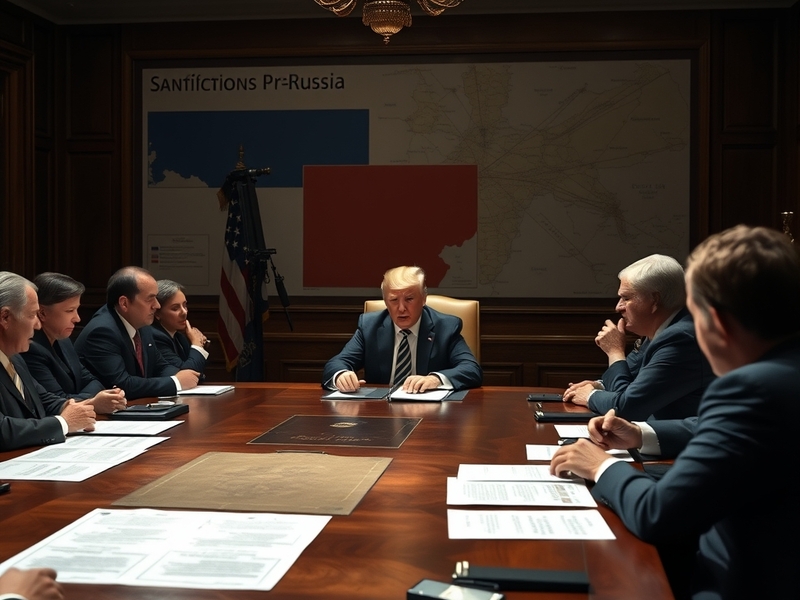
Understanding Trump-Russia Sanctions: An Overview
The sanctions imposed on Russia during Donald Trump’s presidency have been a critical component of U.S. foreign policy. These measures aimed to respond to various actions by the Russian government, particularly its interference in the 2016 U.S. presidential election and its aggressive stance towards Ukraine. The sanctions have evolved over time, reflecting the complex relationship between the two nations.
The Origins of the Sanctions
The roots of the sanctions can be traced back to Russia’s annexation of Crimea in 2014. In response, the Obama administration initiated a series of economic sanctions targeting key sectors of the Russian economy, including energy, finance, and defense. When Trump took office, he inherited these sanctions, but his administration’s approach to Russia raised significant questions.
Initially, Trump expressed a desire to improve relations with Russia, which led to speculation about potential changes to the sanctions regime. However, bipartisan pressure in Congress resulted in the implementation of the Countering America’s Adversaries Through Sanctions Act (CAATSA) in 2017, which mandated sanctions against Russia for its actions in Ukraine and election interference.
Key Sanctions Imposed
The sanctions under Trump’s administration targeted various individuals and entities associated with the Kremlin. Here are some key aspects:
- Individuals: Sanctions were placed on oligarchs and government officials, including those close to President Vladimir Putin.
- Sectoral Sanctions: Specific sectors such as energy and finance faced restrictions, limiting Russian access to international markets.
- Cyber-related Sanctions: Measures were taken against individuals and organizations involved in cyberattacks against the U.S.
- Export Controls: Certain technologies were restricted from being sold to Russia, impacting its defense and technology sectors.
Impact and Reactions
The sanctions aimed to cripple the Russian economy and deter further aggressive actions. However, the effectiveness of these measures has been a point of contention. While some experts argue that sanctions have hurt the Russian economy, others believe they have not significantly altered Russia’s behavior on the global stage.
Supporters of the sanctions argue that they have successfully isolated Russia diplomatically and economically. In contrast, critics contend that sanctions can lead to increased nationalism within Russia, uniting the populace against perceived external threats.
Additionally, the Trump administration’s fluctuating stance on Russia has led to confusion regarding the long-term commitment to these sanctions. In some instances, Trump’s comments seemed to downplay the severity of Russia’s actions, raising concerns among allies about the U.S. commitment to a unified stance against Russian aggression.
Looking Ahead: Future Sanctions and U.S.-Russia Relations
As the geopolitical landscape continues to evolve, the future of U.S.-Russia relations remains uncertain. The ongoing conflict in Ukraine, along with Russia’s interference in various democratic processes worldwide, suggests that sanctions will likely remain a tool for U.S. foreign policy.
Moving forward, the Biden administration has indicated a firm stance on maintaining and possibly expanding sanctions against Russia. The approach emphasizes coordination with international allies to ensure a unified response to Russian aggression. This collaborative effort is vital to strengthen the impact of the sanctions and to deter further actions by the Kremlin.
In conclusion, the Trump-era sanctions against Russia represent a significant chapter in U.S. foreign policy. They highlight the complexities of international relations and the challenges of addressing aggressive actions through economic measures. As the global political environment shifts, the effectiveness and strategy of these sanctions will continue to be a topic of discussion.