The Evolution of Washington Football: A Cultural Reflection
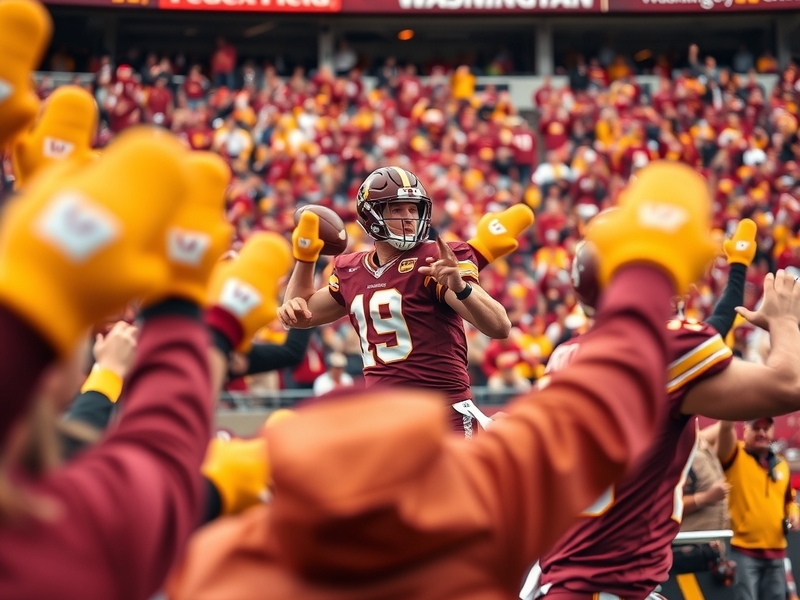
Washington football has a rich and complex history that reflects not only the evolution of the sport but also the changing dynamics of American culture. The franchise, originally established in 1932, has undergone numerous transformations, both on and off the field. From its early days to its rebranding, the team’s journey is a testament to the broader societal shifts that have influenced sports in America.
Historical Overview
The Washington football team, initially known as the Boston Braves, relocated to Washington, D.C., in 1937. Over the decades, the franchise has seen significant success, including multiple Super Bowl victories. However, the team’s identity has often been at the center of controversy, particularly regarding its name and mascot, which many argue perpetuated stereotypes.
As the national dialogue around race and representation has evolved, so too has the perception of the team’s branding. In 2020, under mounting pressure from sponsors and fans, the franchise announced it would retire its previous name. This decision marked a pivotal moment, not only for the team but also for sports organizations nationwide grappling with similar issues.
Recent Changes and Rebranding
In 2022, the franchise rebranded as the Washington Commanders, a name that aims to honor military and community service. This change has been met with mixed reactions. Supporters appreciate the new direction, while critics argue that it lacks the historical significance of the previous name.
- Pros of the Rebranding:
- Emphasizes respect for military and community service.
- Aims to create a more inclusive environment for all fans.
- Allows for a fresh start in team branding and marketing.
- Cons of the Rebranding:
- Some long-time fans feel a disconnect with the new identity.
- Critics argue the name lacks historical depth.
- Transitioning merchandise may be costly and confusing.
Global Impact and Cultural Significance
Washington football’s influence extends beyond the United States. The NFL has made significant strides in promoting American football internationally, with games played in London and Mexico City. The franchise’s global reach has introduced diverse audiences to the sport, fostering a growing appreciation for American football.
Moreover, the team’s rebranding efforts reflect a broader trend in sports where organizations are increasingly attuned to social justice issues. This shift not only impacts how teams engage with their local communities but also how they are perceived on a global scale. Fans around the world are more likely to support teams that align with their values and promote inclusivity.
Conclusion
The journey of Washington football encapsulates the challenges and triumphs faced by sports organizations in a rapidly changing cultural landscape. As the franchise continues to evolve, it serves as a microcosm of broader societal shifts. The rebranding to the Washington Commanders symbolizes a commitment to growth and reflection, which resonates with fans old and new.
As we look forward, the future of Washington football will undoubtedly be shaped by its ability to adapt to both the changing dynamics of the sport and the expectations of its diverse fanbase. For those interested in the latest trends in sports and culture, Washington football remains a compelling case study in navigating these complexities. To explore more about the intersection of sports and culture, visit our Sports section.